→ The 5 Major Printing Techniques: Screen Printing, DTF, DTG, Heat Transfer, Sublimation
Screen Printing
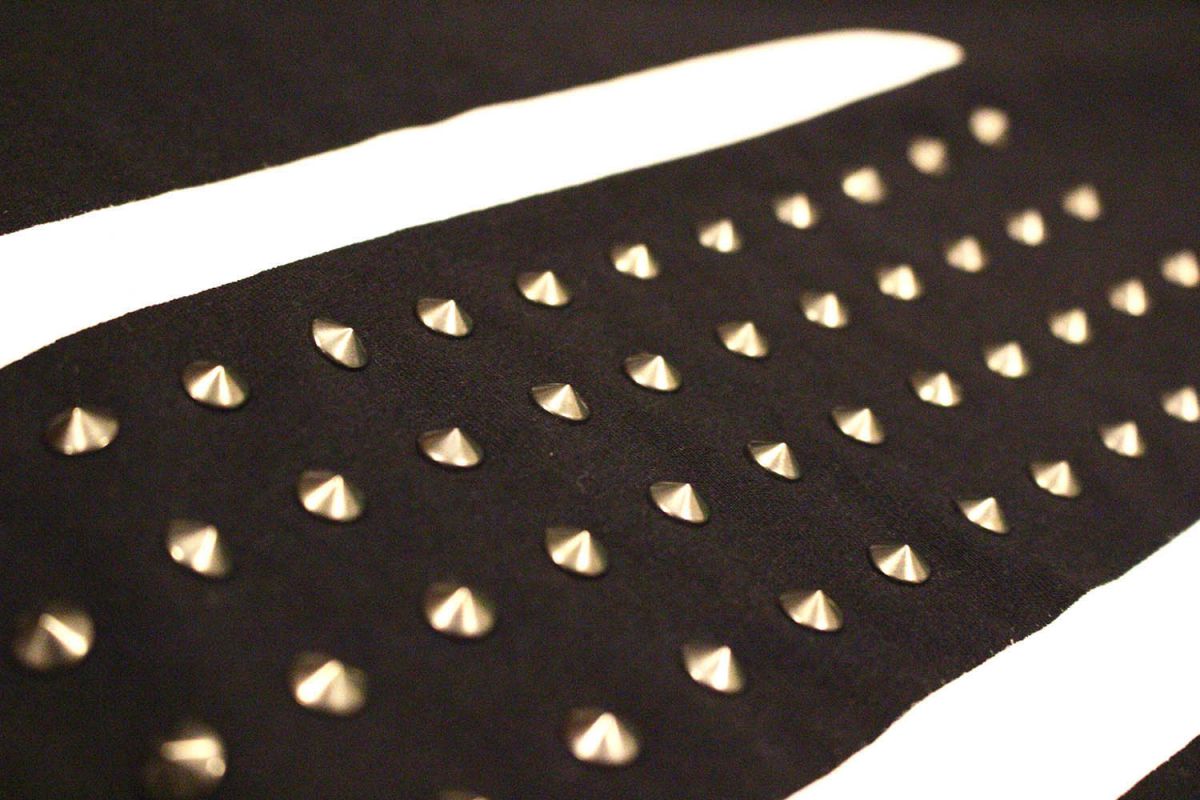
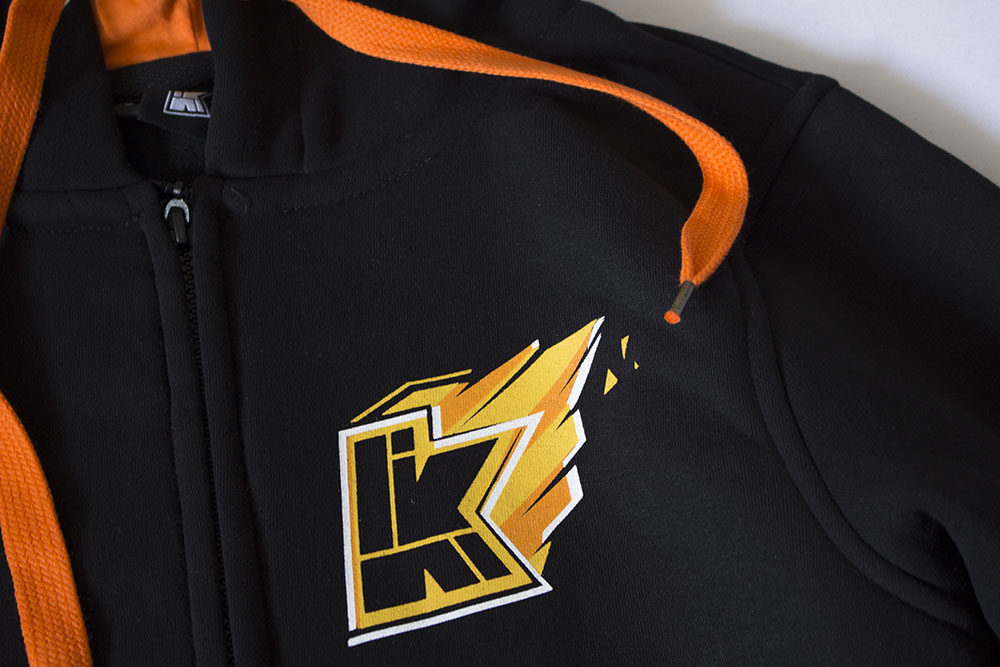
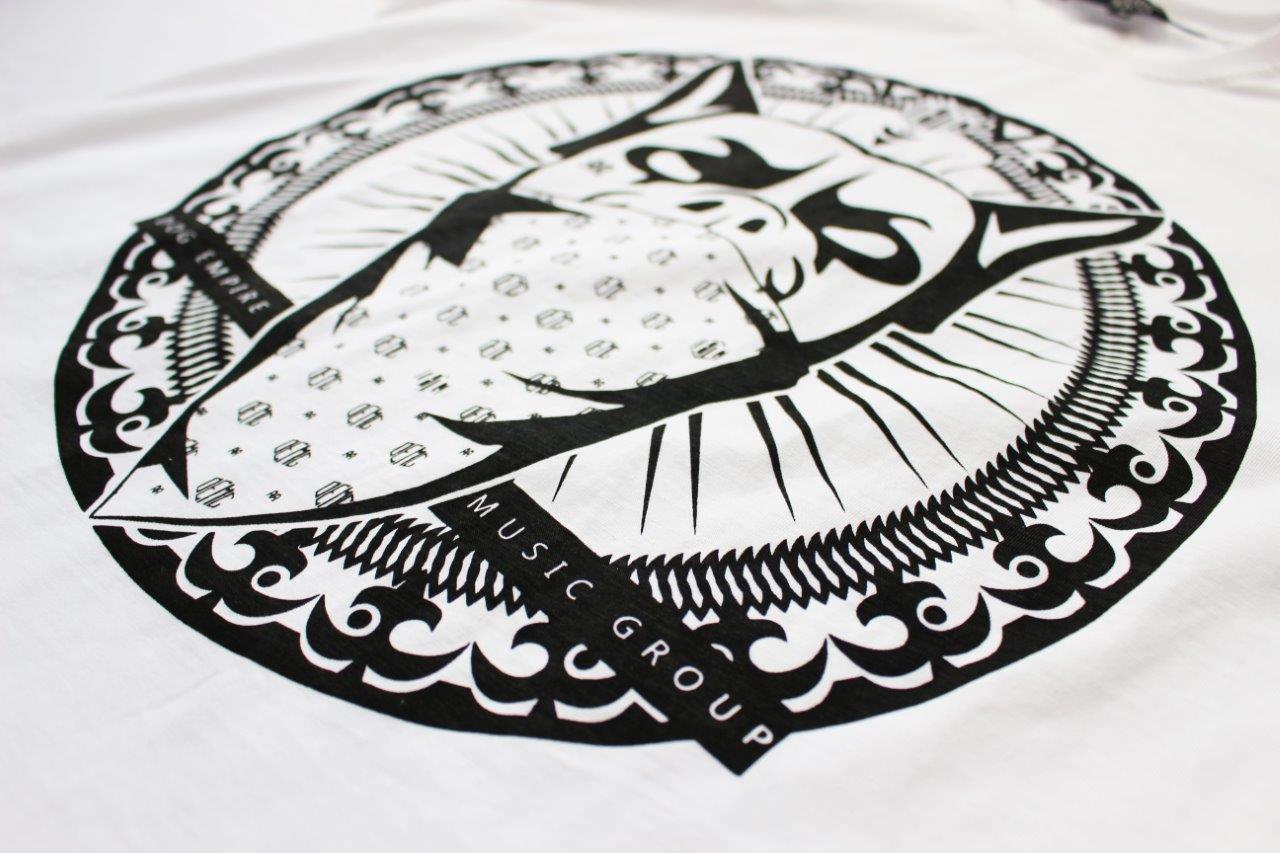
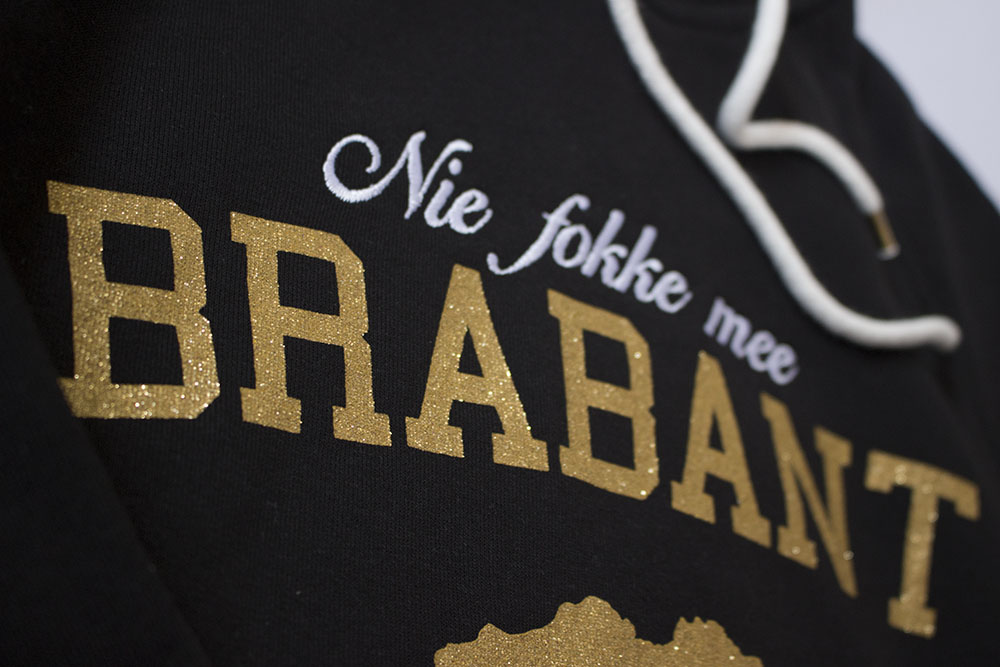
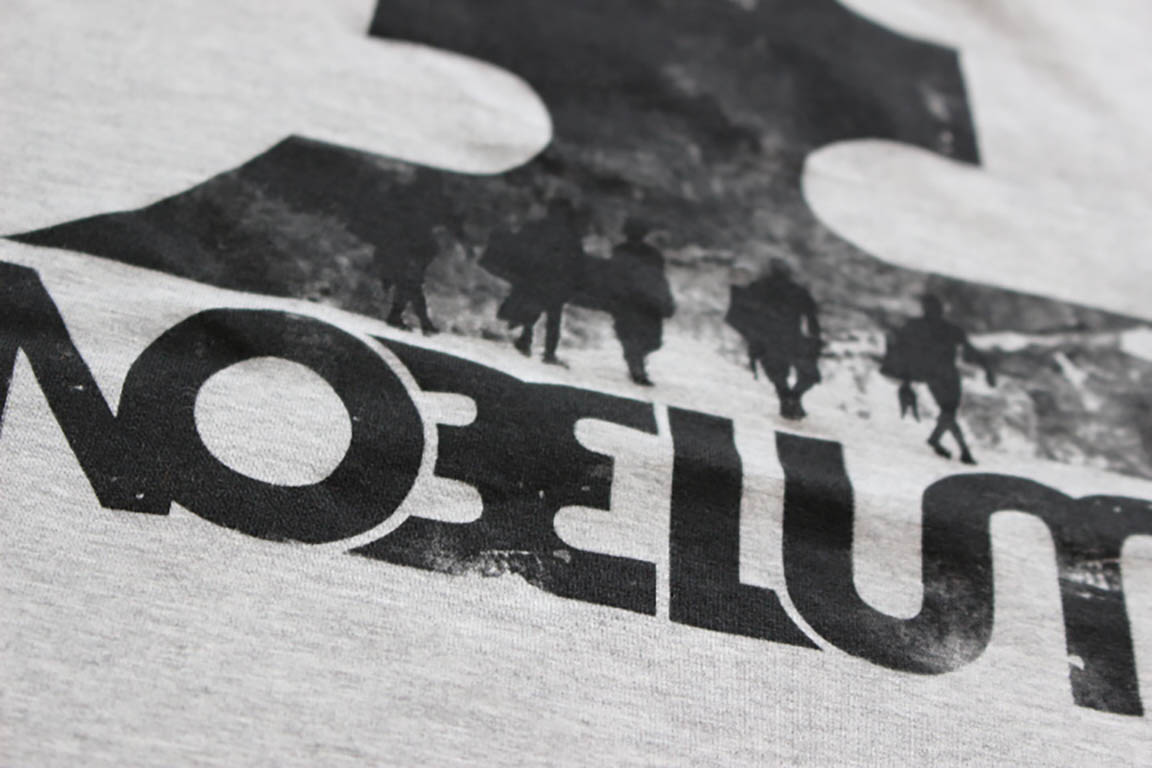
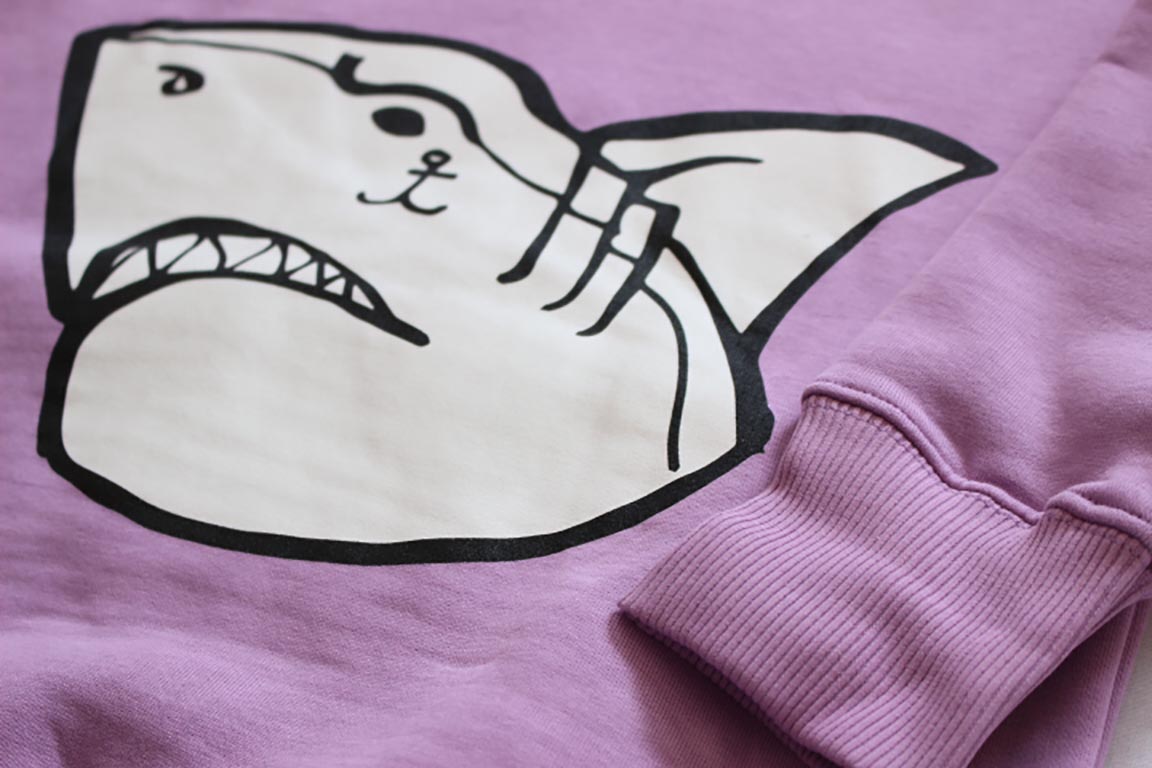
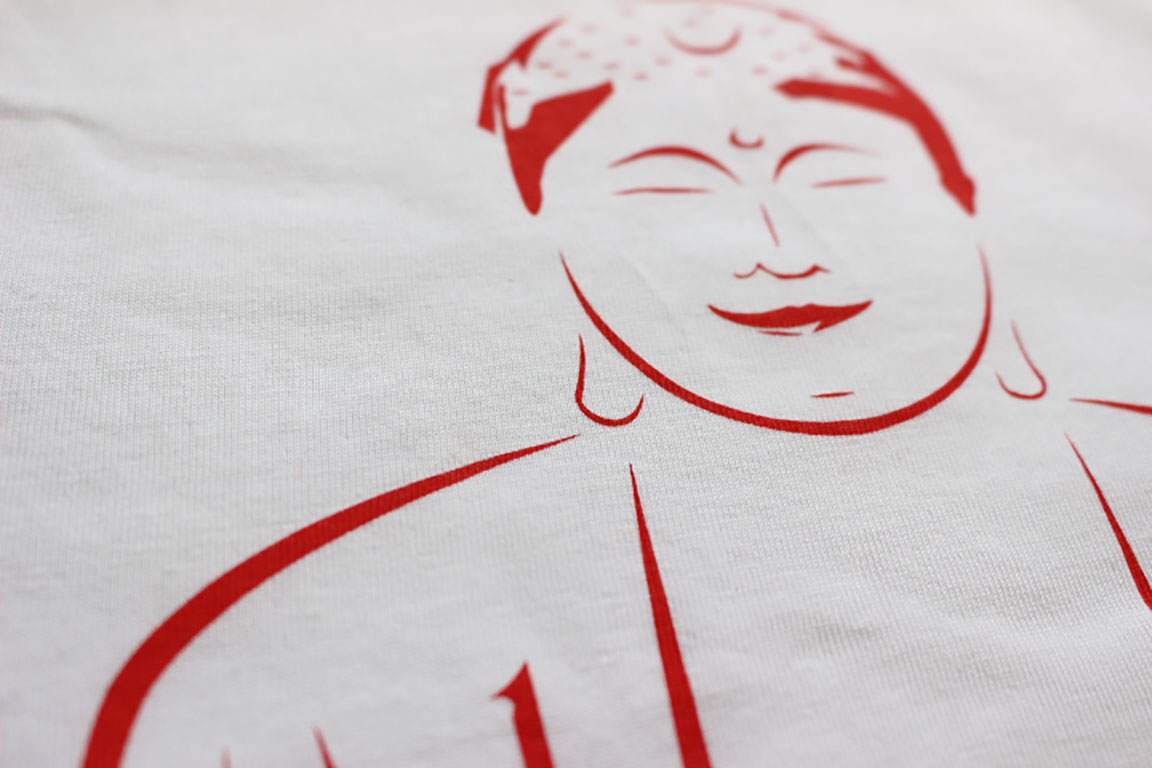
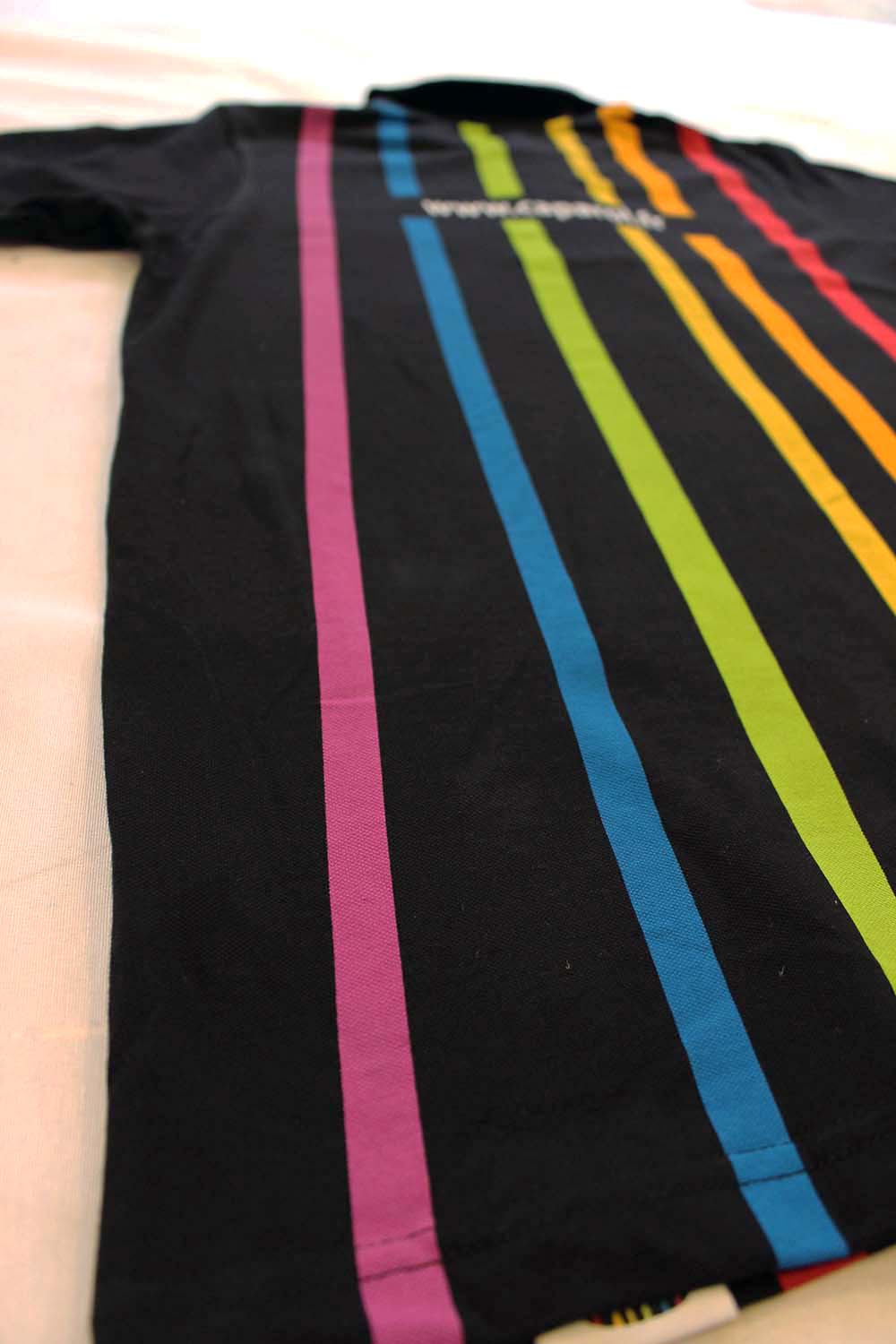
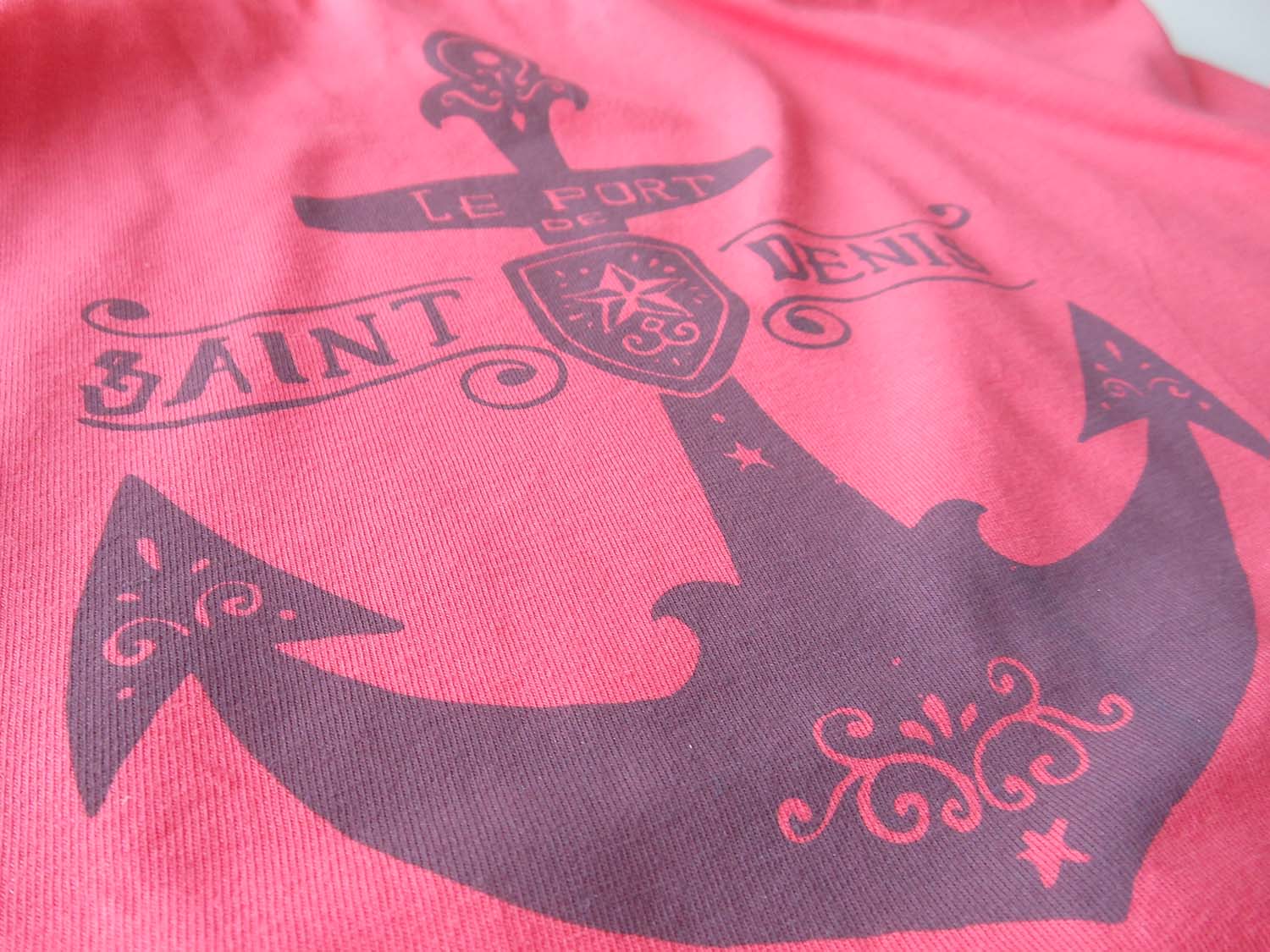
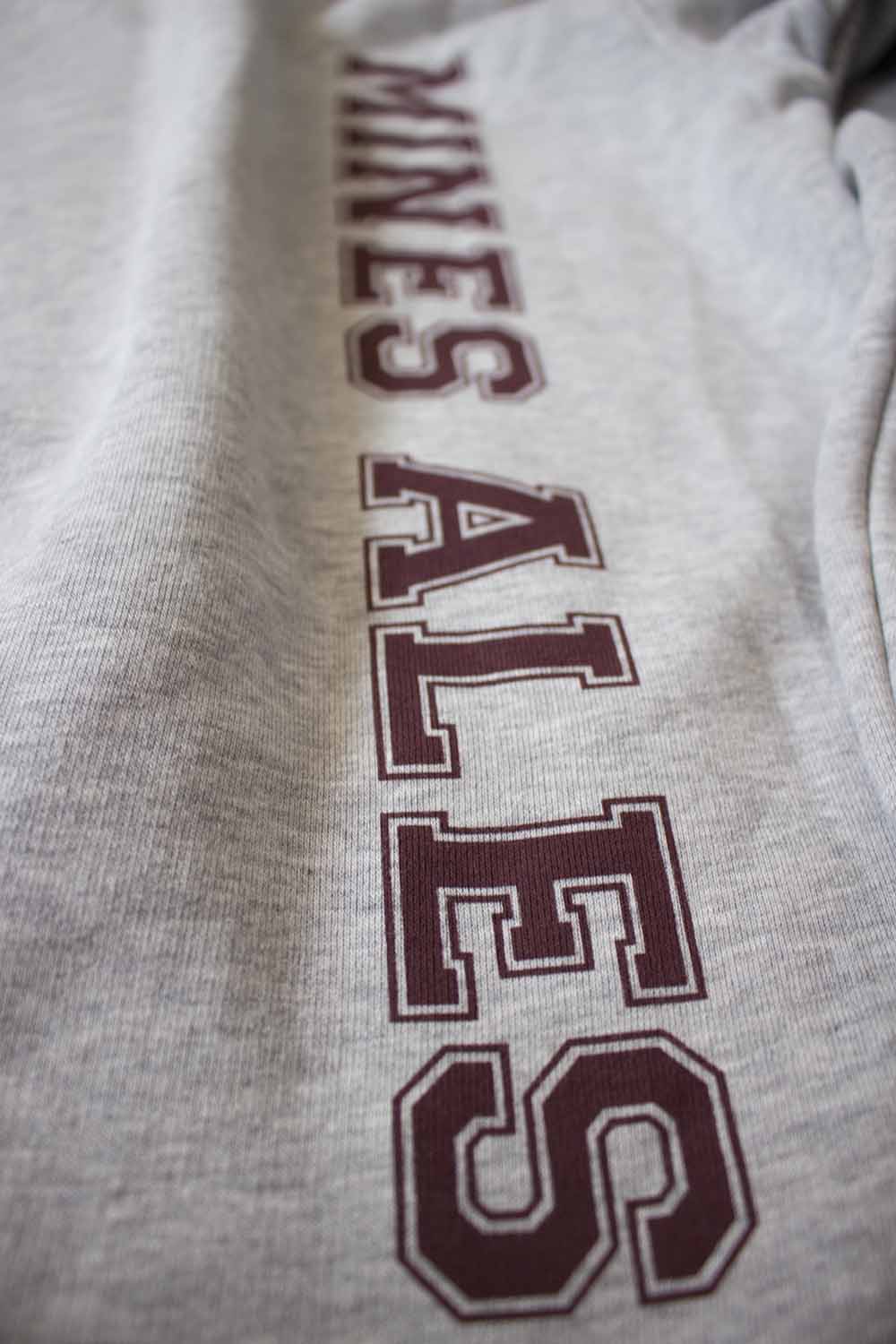
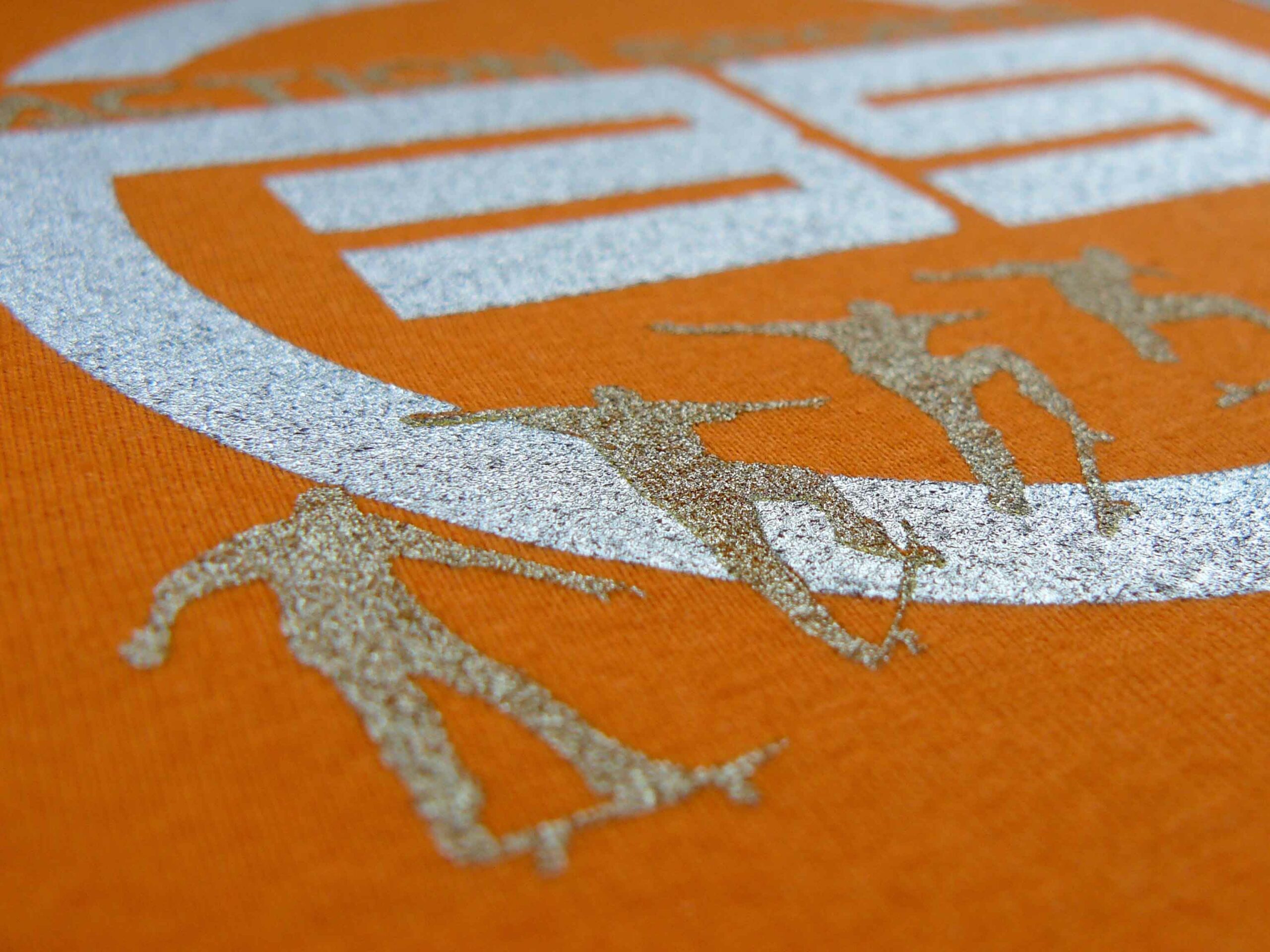
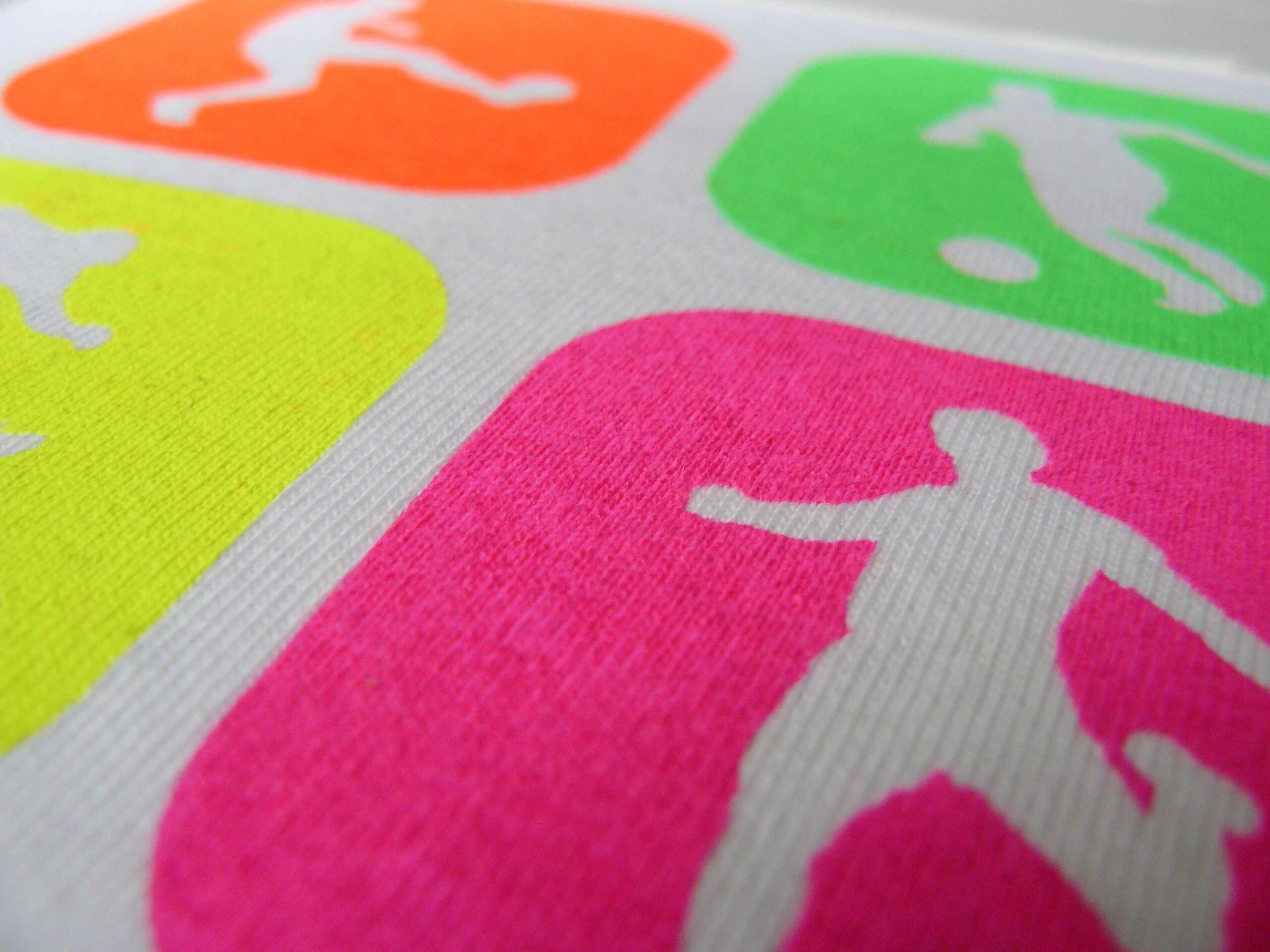
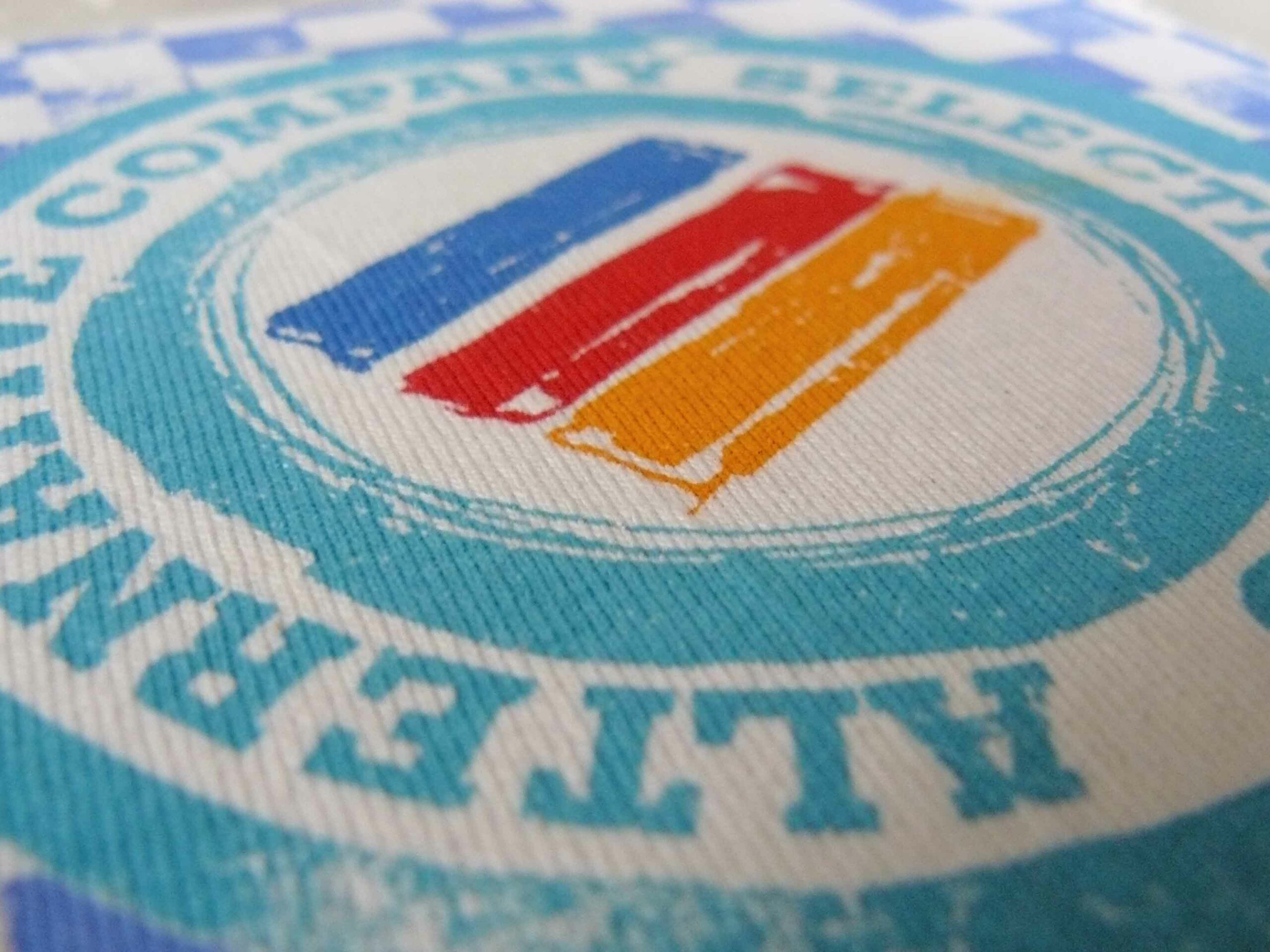
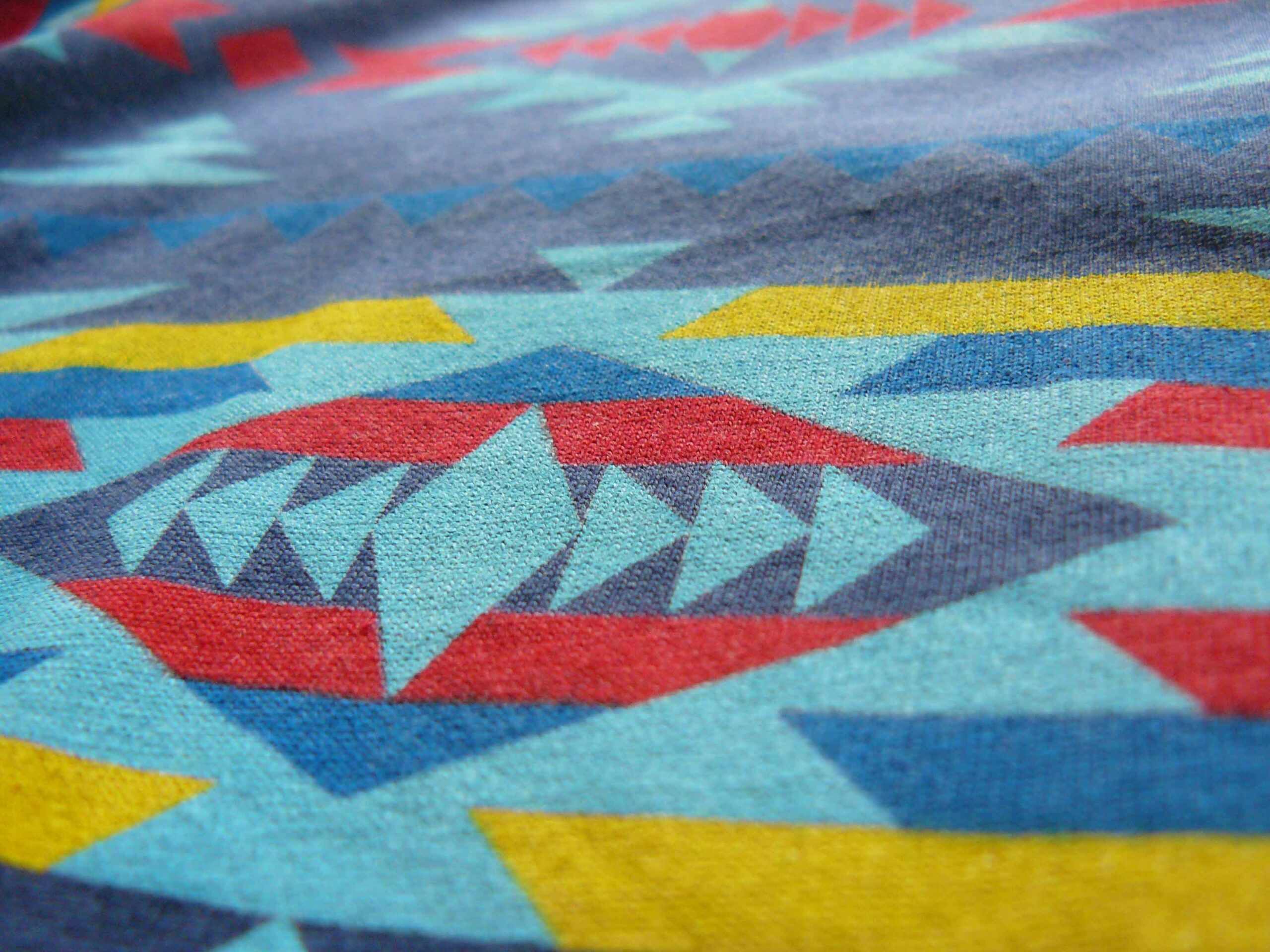
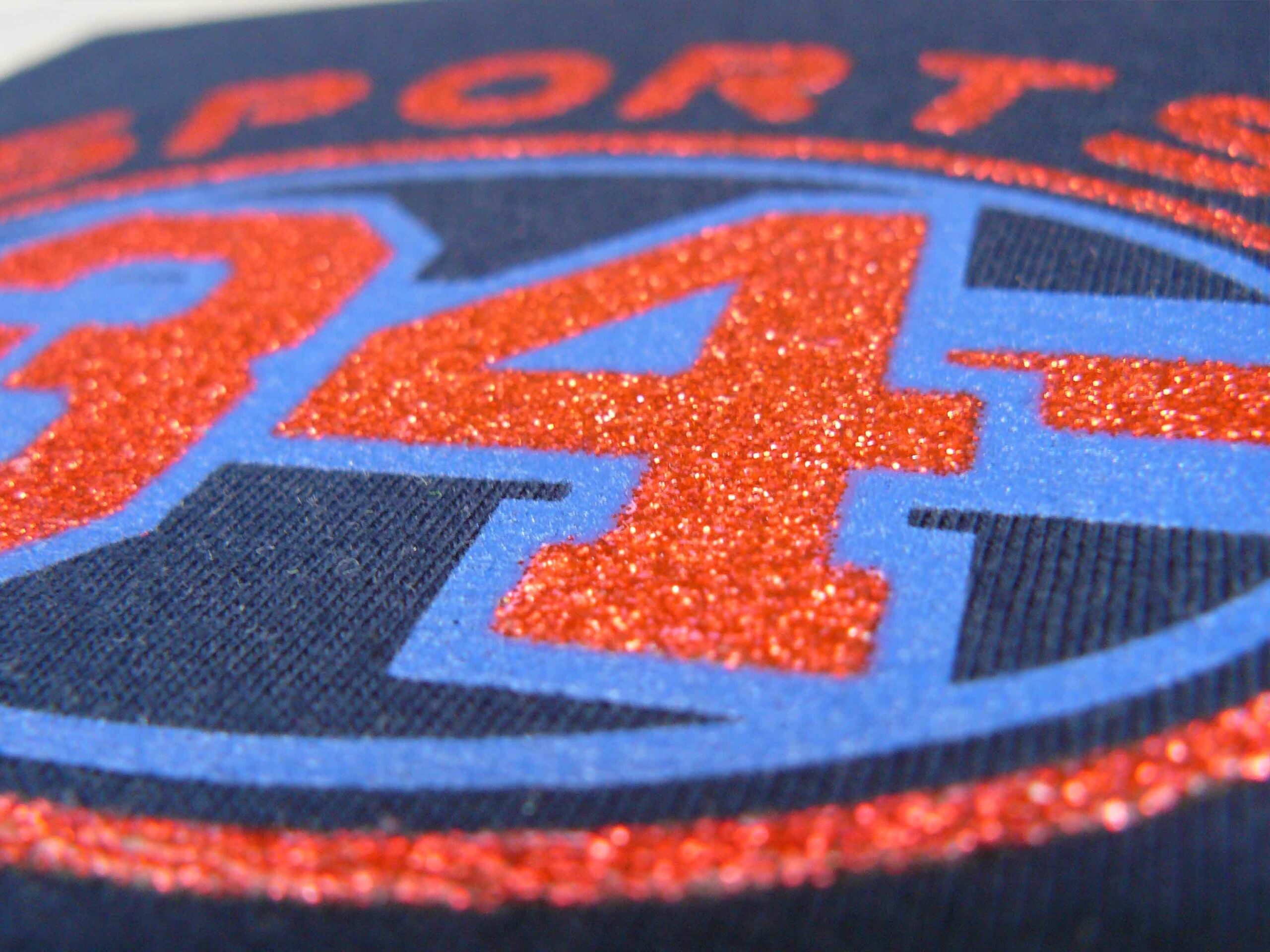
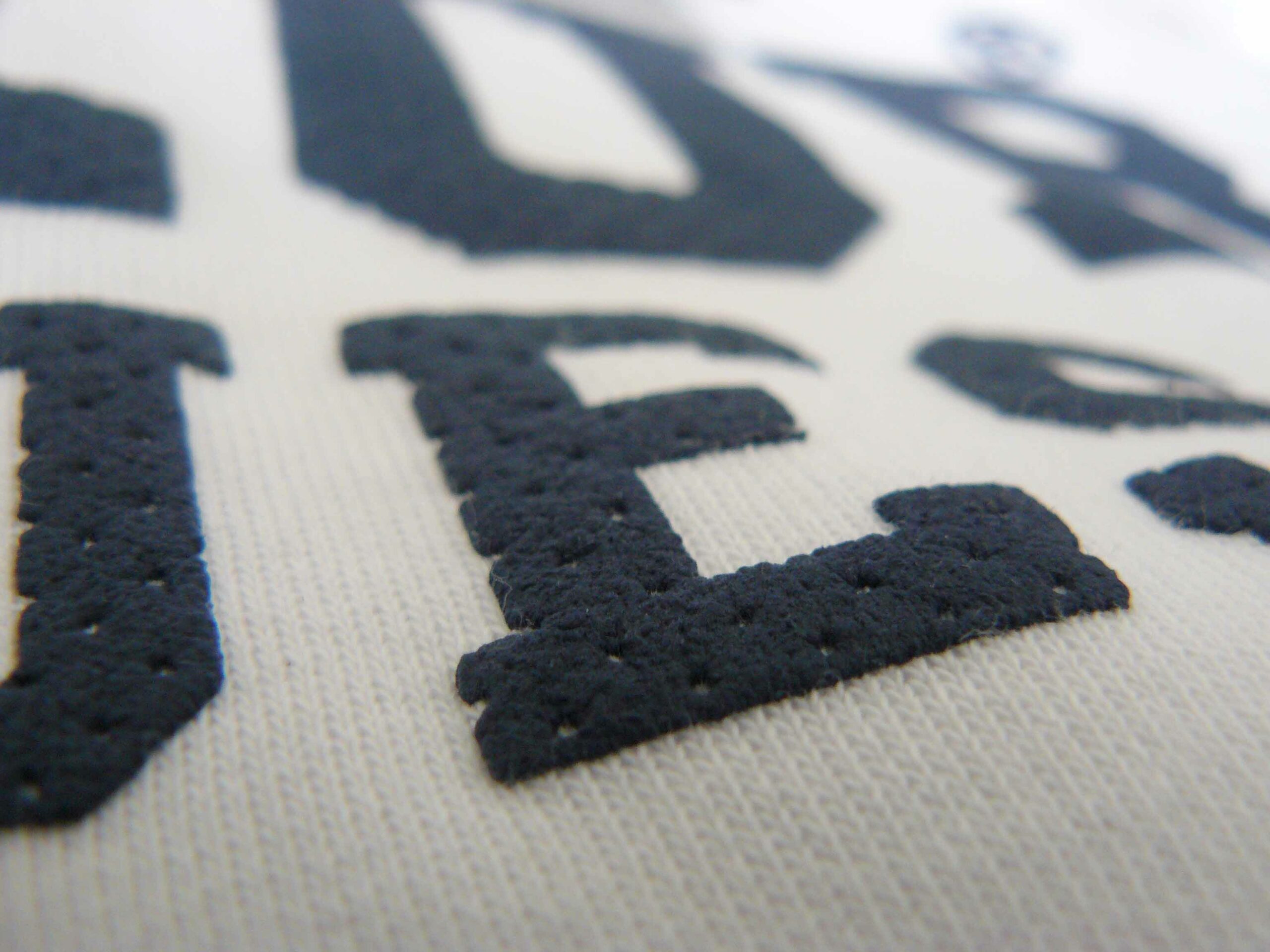
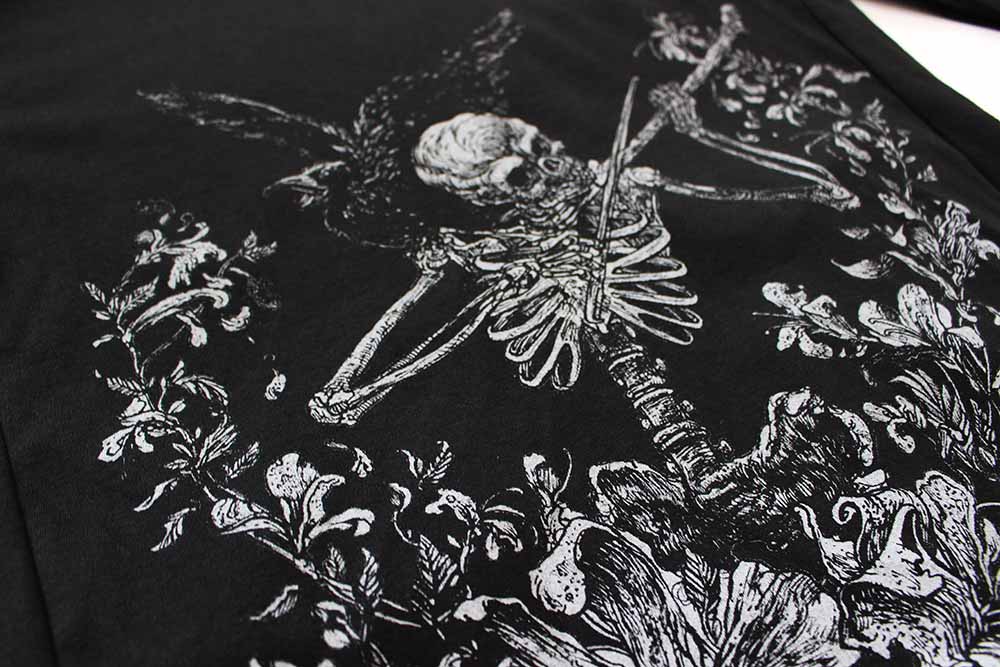
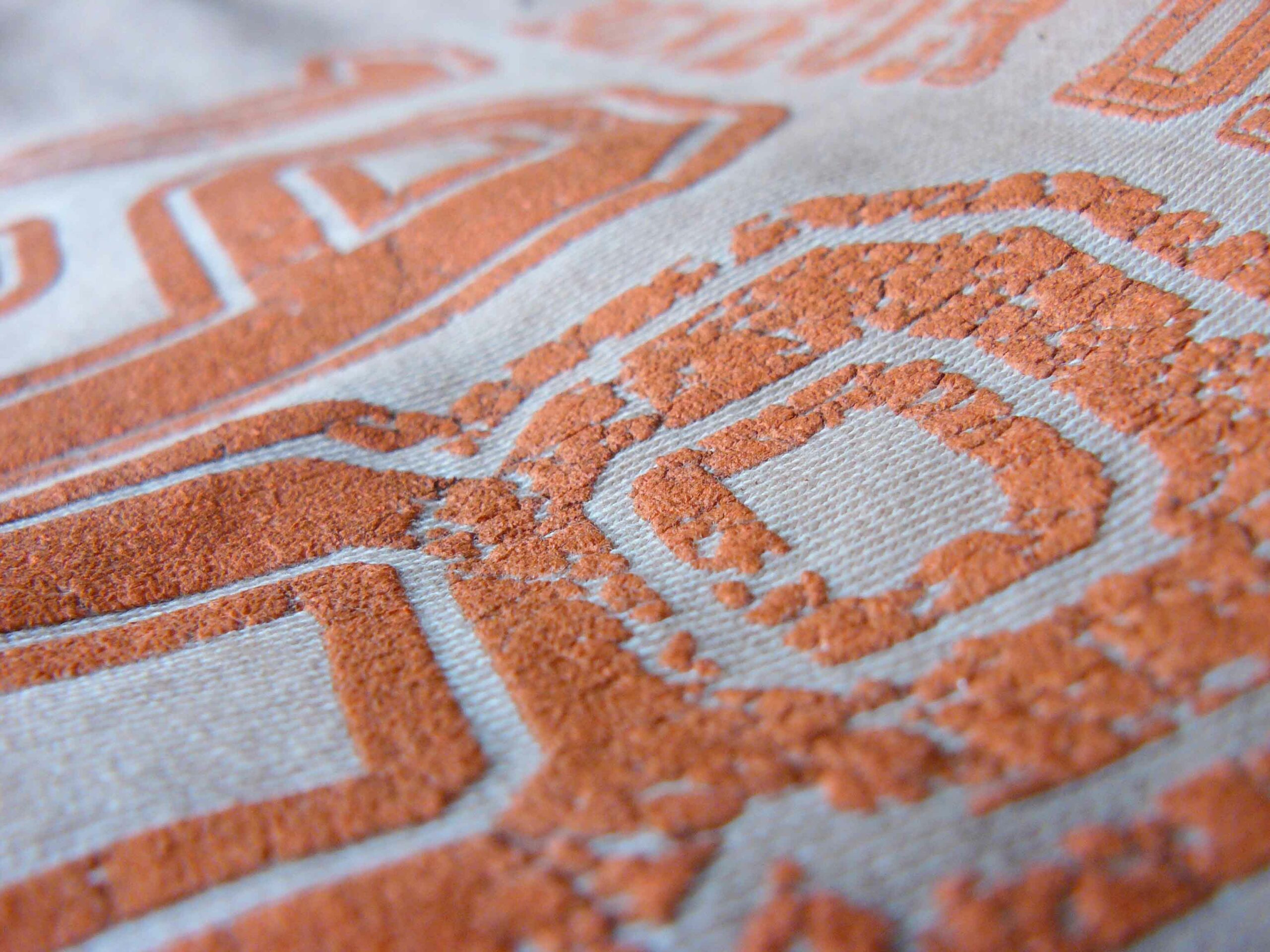
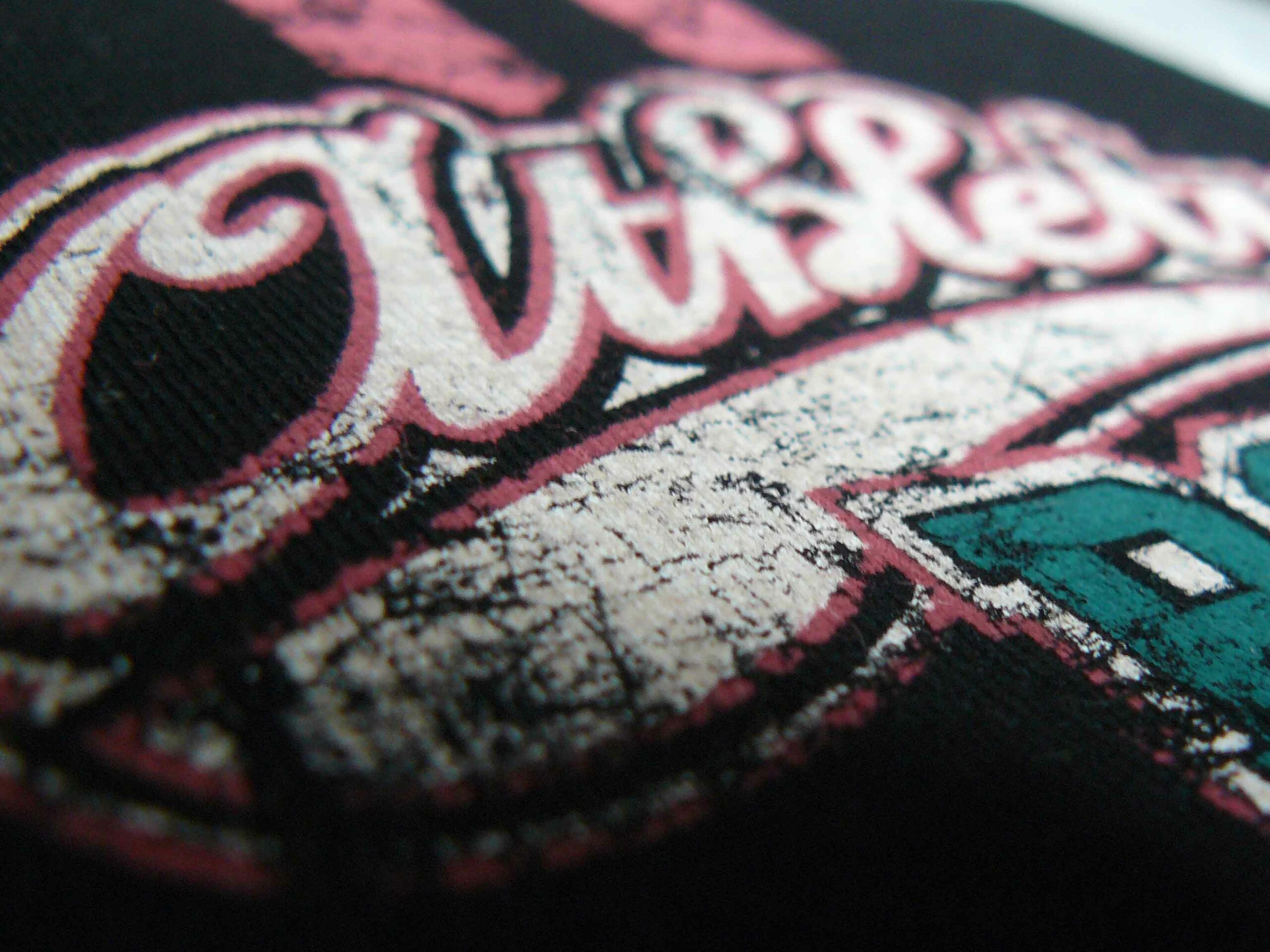
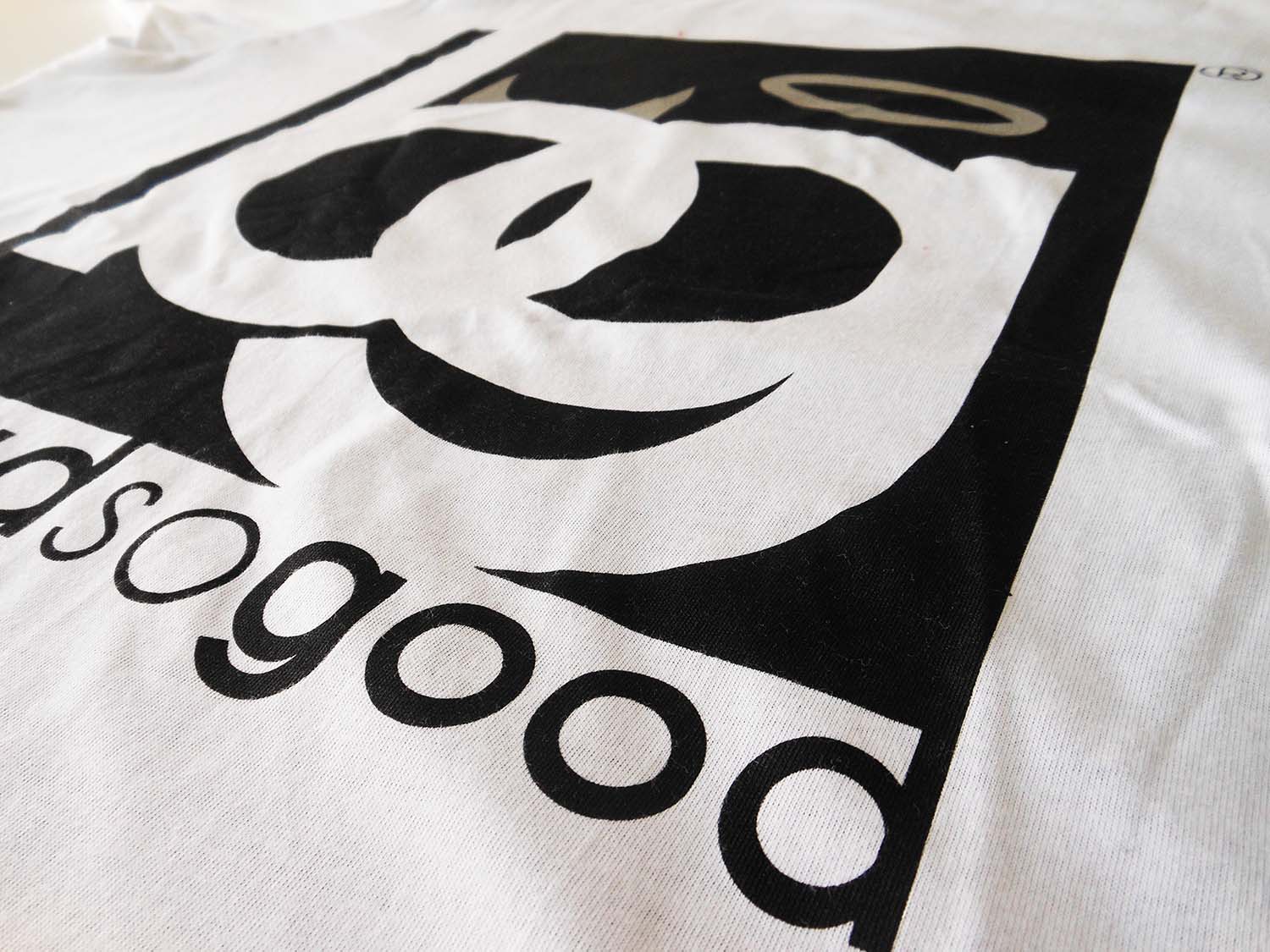
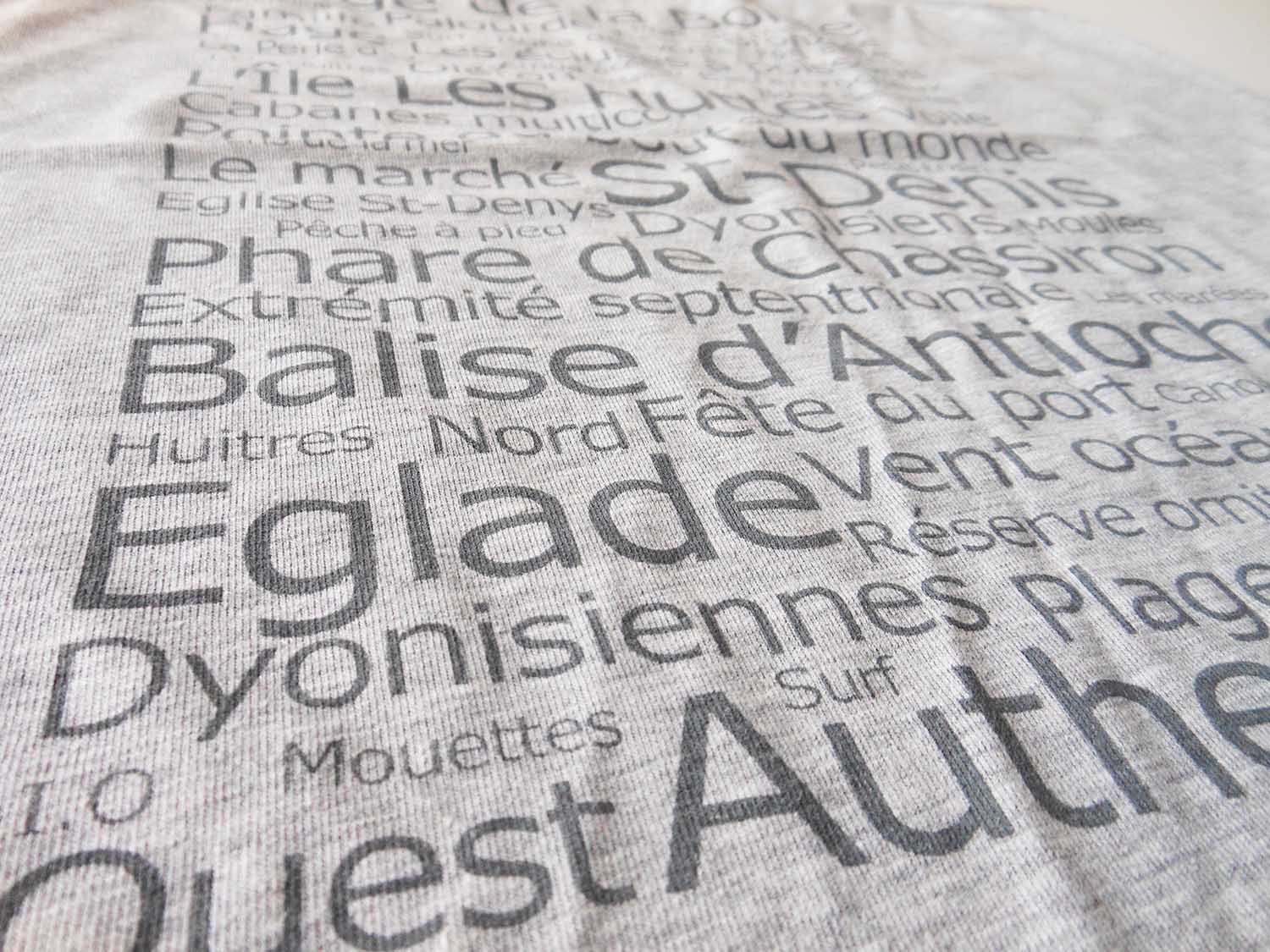
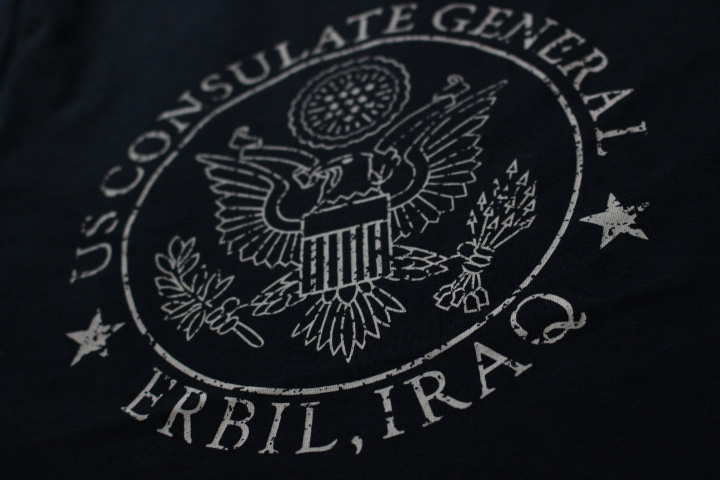
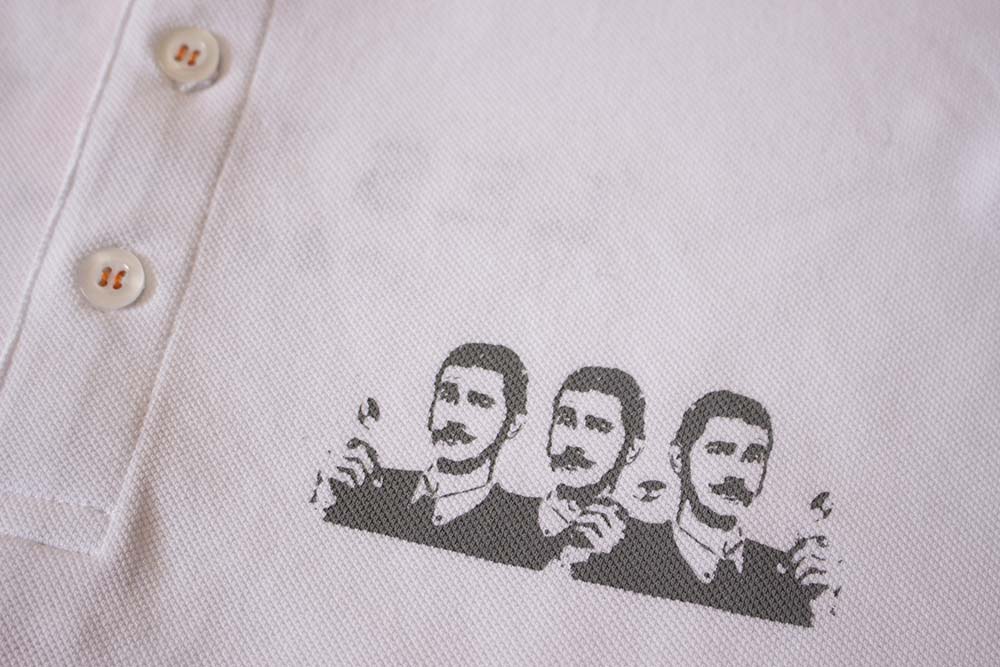
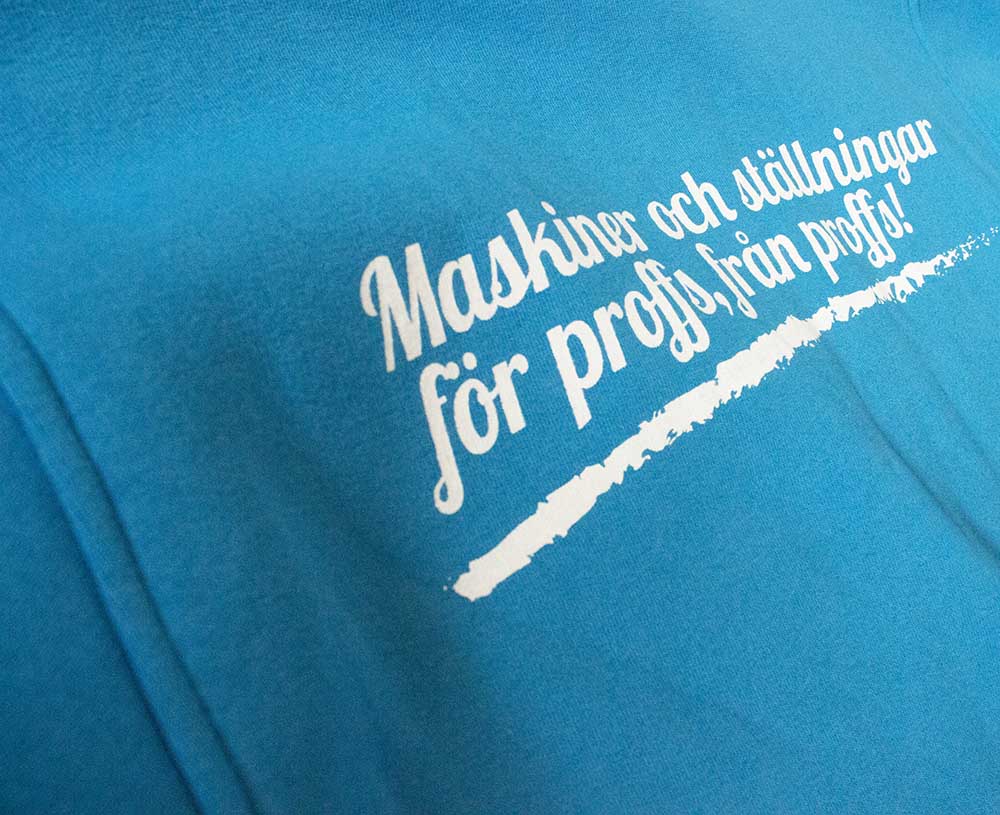
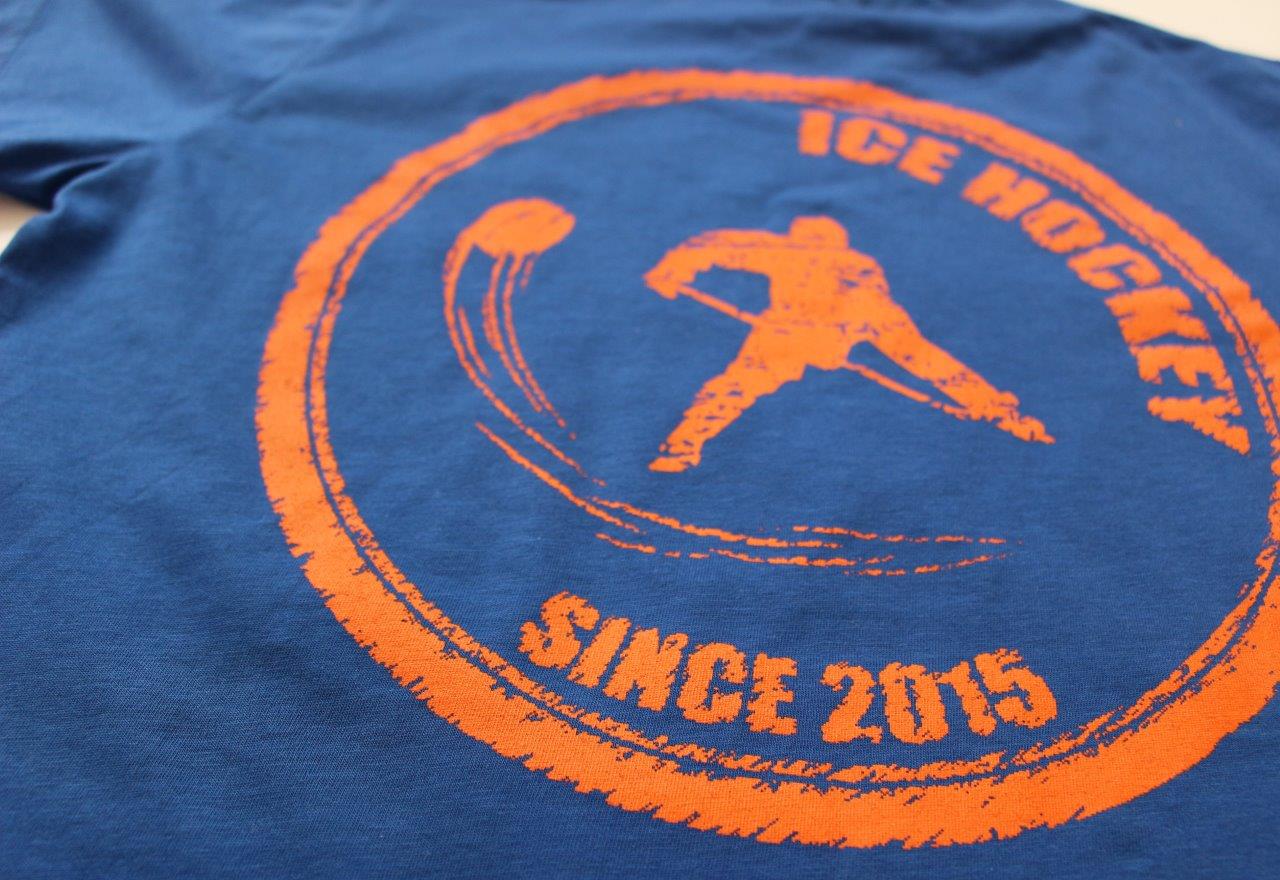
Screen printing is the leading print technique for medium to large runs. It is one of the oldest, most popular, and most durable techniques for fabric customization. Simply put, it is a printing process that uses a stencil system (screens) to transfer ink onto a textile.
Pros:
Exceptional Durability: This is the most robust technique. The ink bonds with the fabric and resists washing, wear, and time incredibly well.
Vibrant & Opaque Colors: Screen printing allows for a generous ink deposit, resulting in very vivid colors and excellent coverage, even on dark fabrics.
Excellent Value (for volume): The main cost lies in creating the screens (“setup costs”). Once screens are ready, printing 500 or 5,000 pieces is very fast and cost-effective.
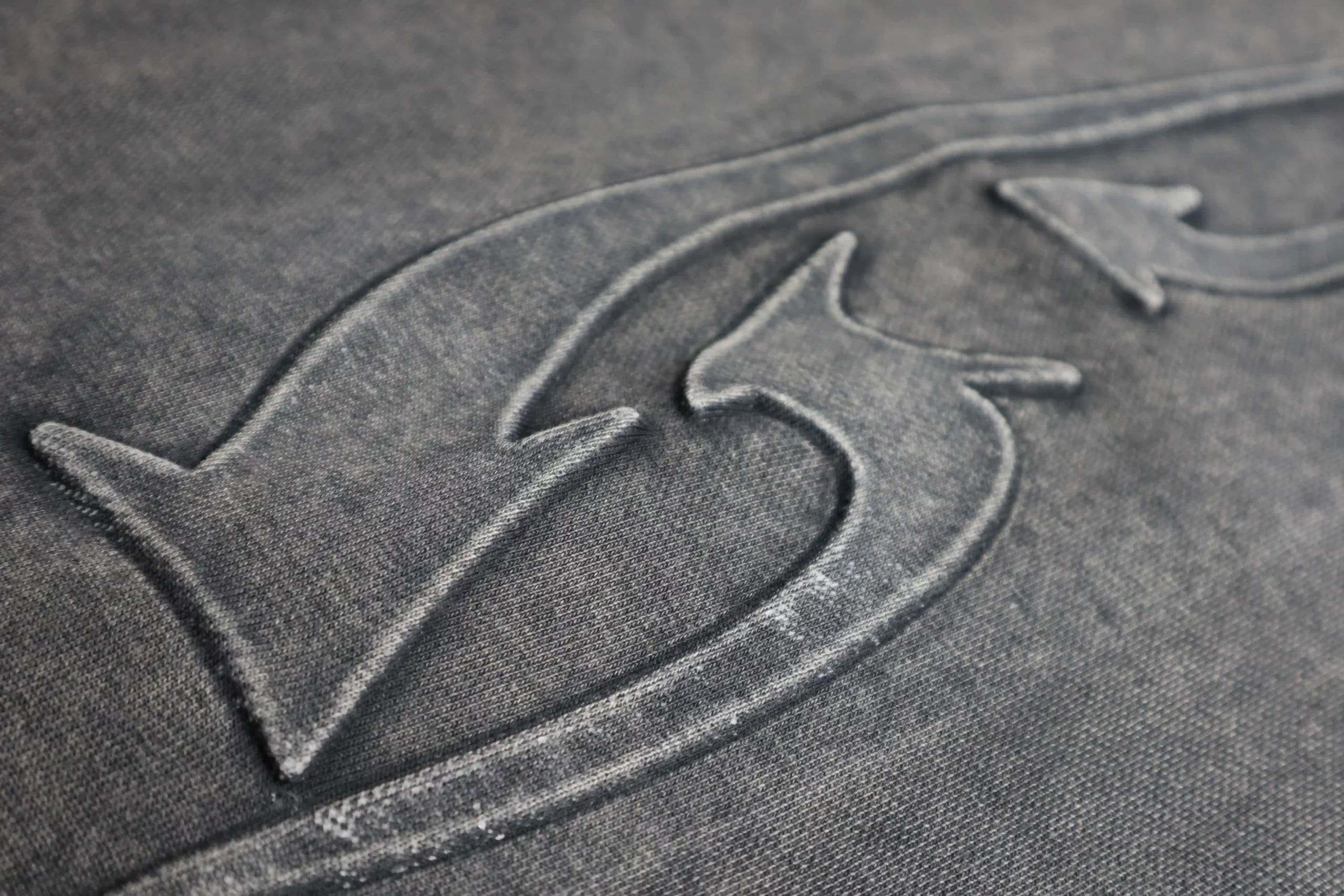
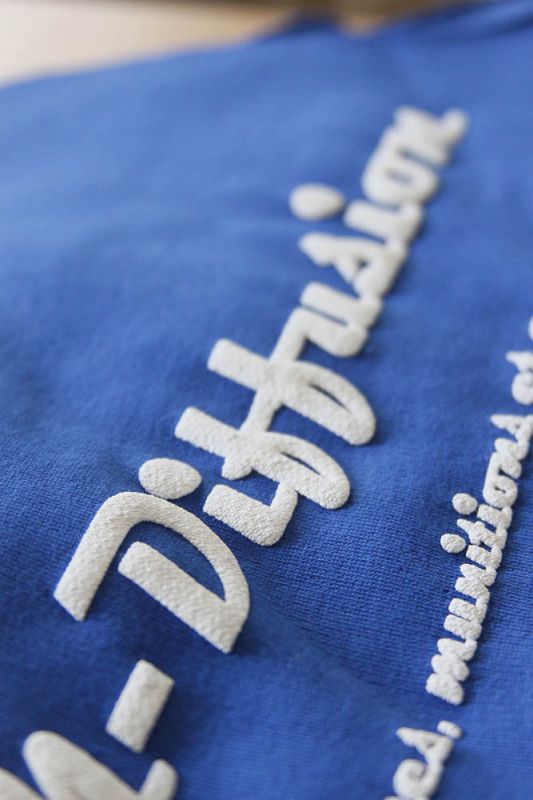
Versatility: Many ink types can be used (water-based, puff/3D, metallic, etc.).
Cons:
Cost for Small Runs: Due to fixed screen setup fees, screen printing is expensive for very small quantities.
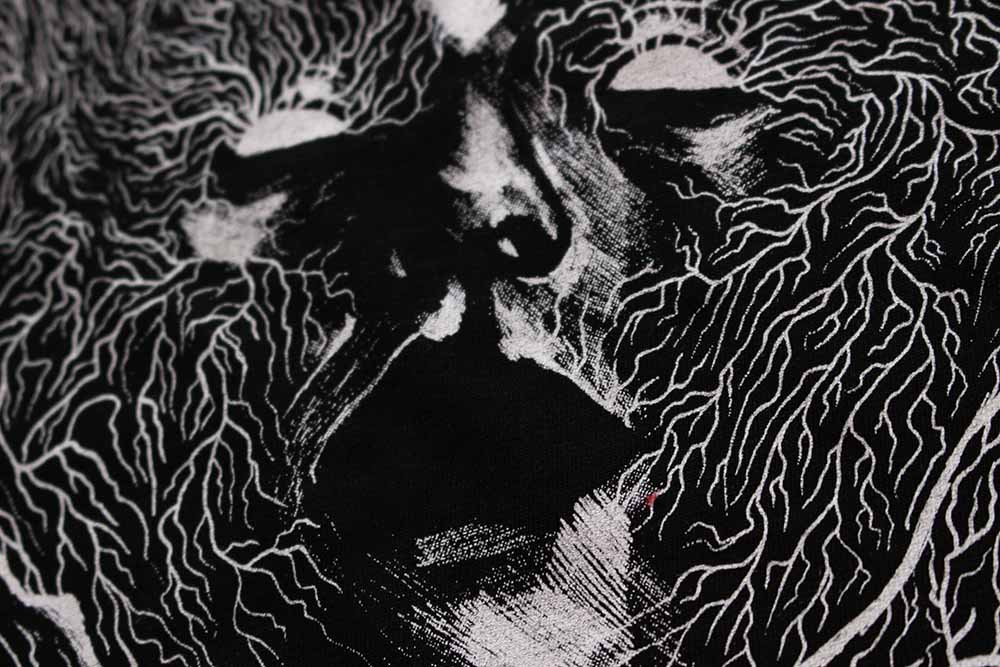
Complex Designs: Photos or designs with millions of colors (complex gradients) are impossible to reproduce perfectly, as they would require an infinite number of screens.
DTF
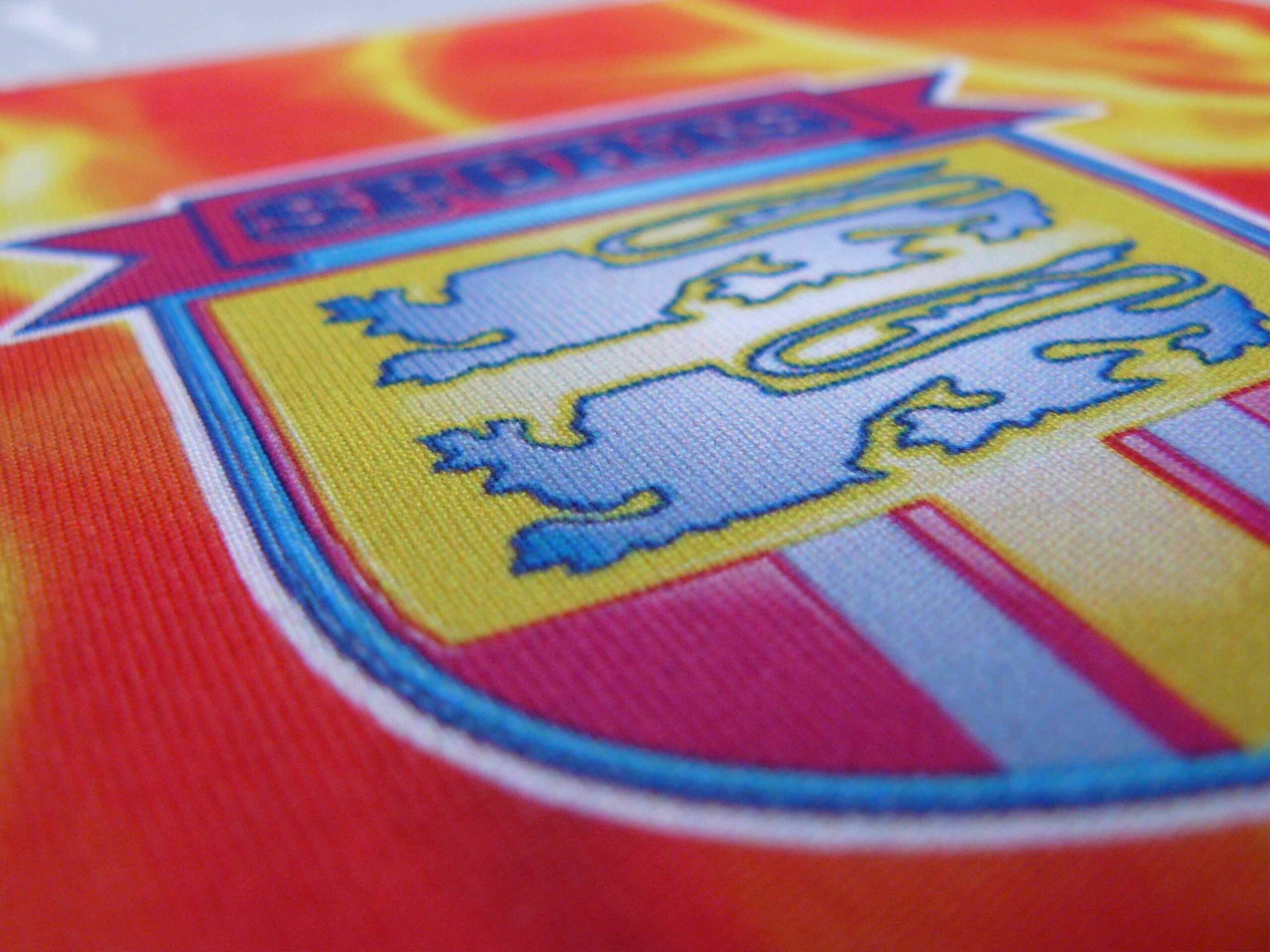
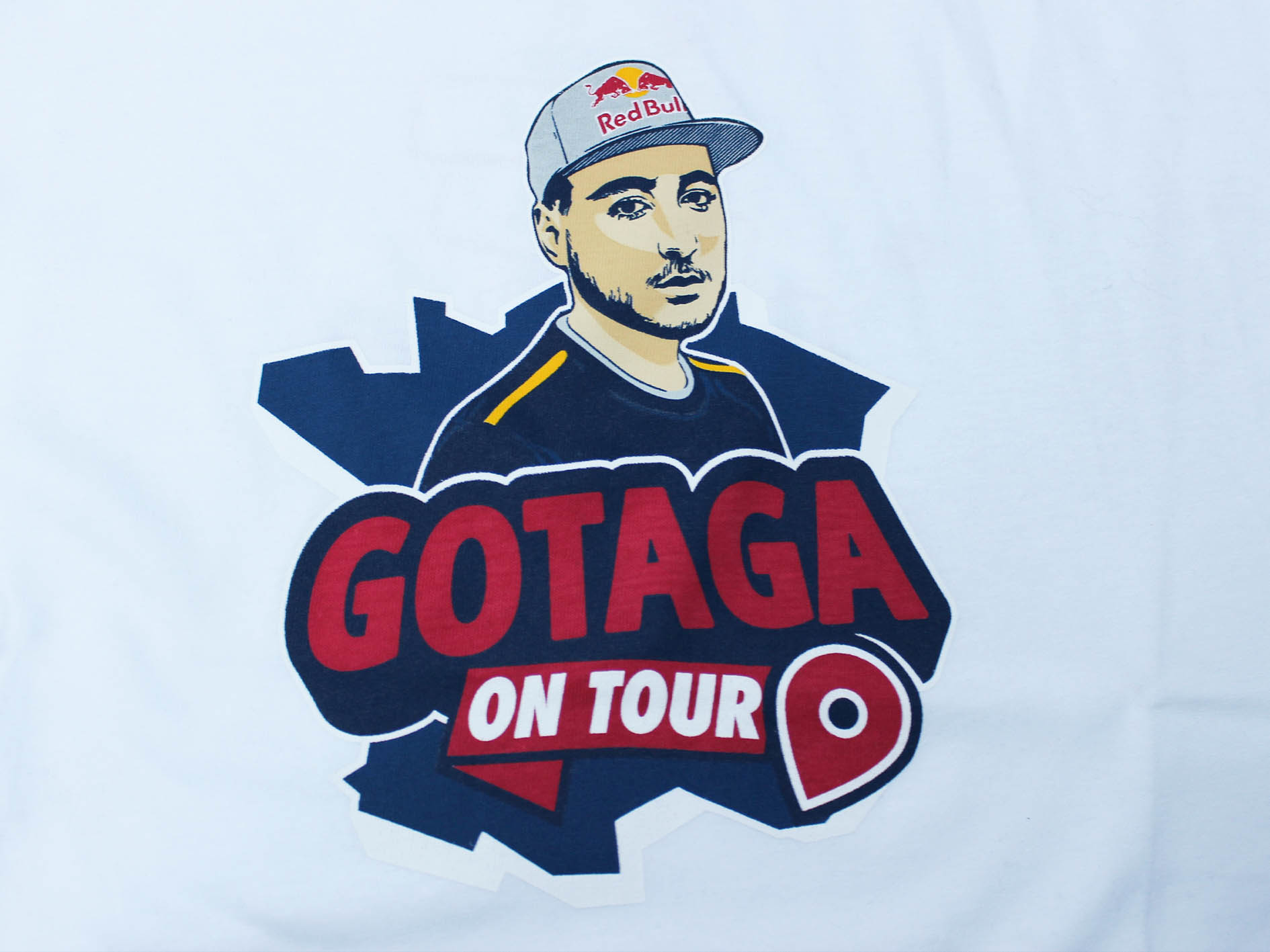
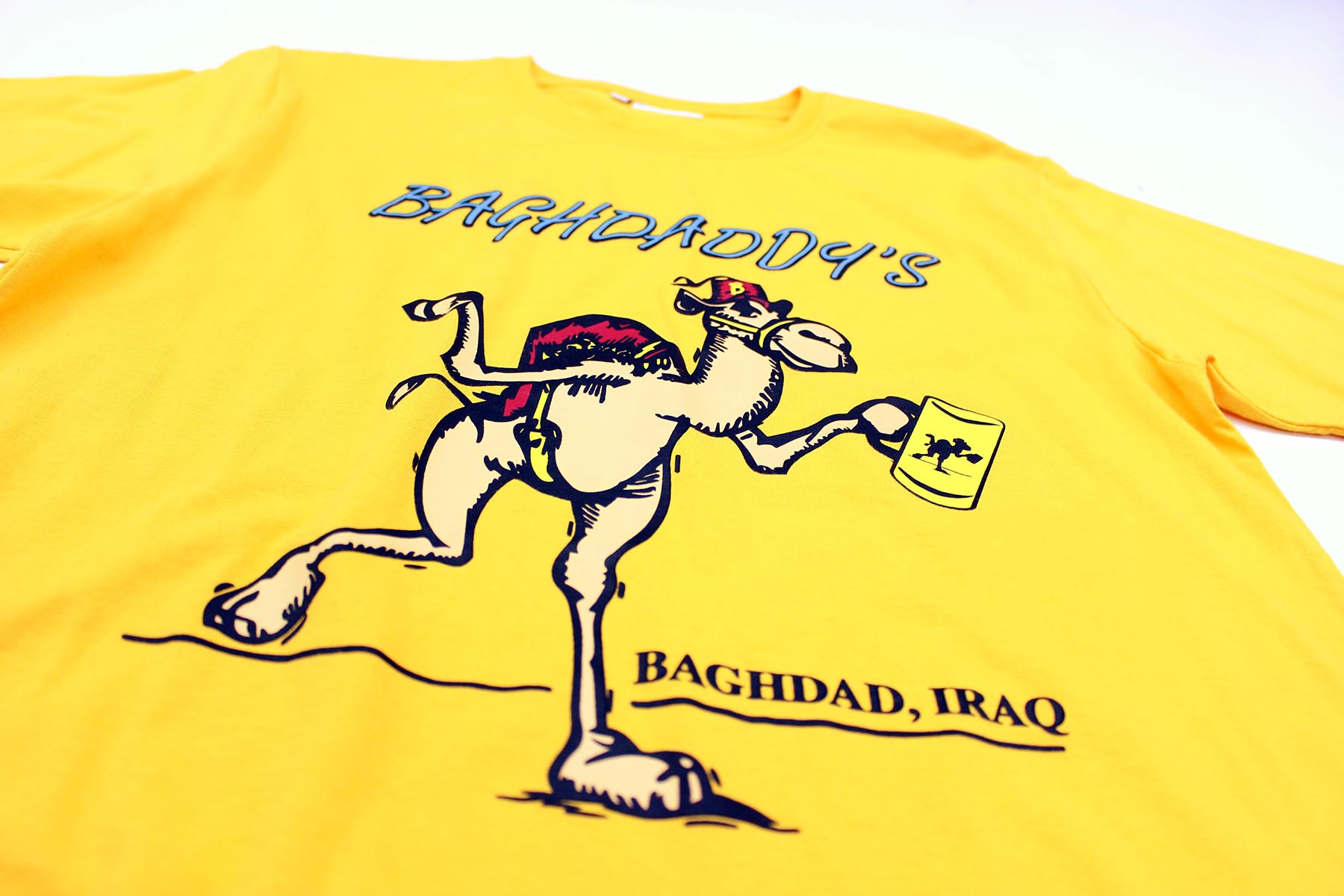
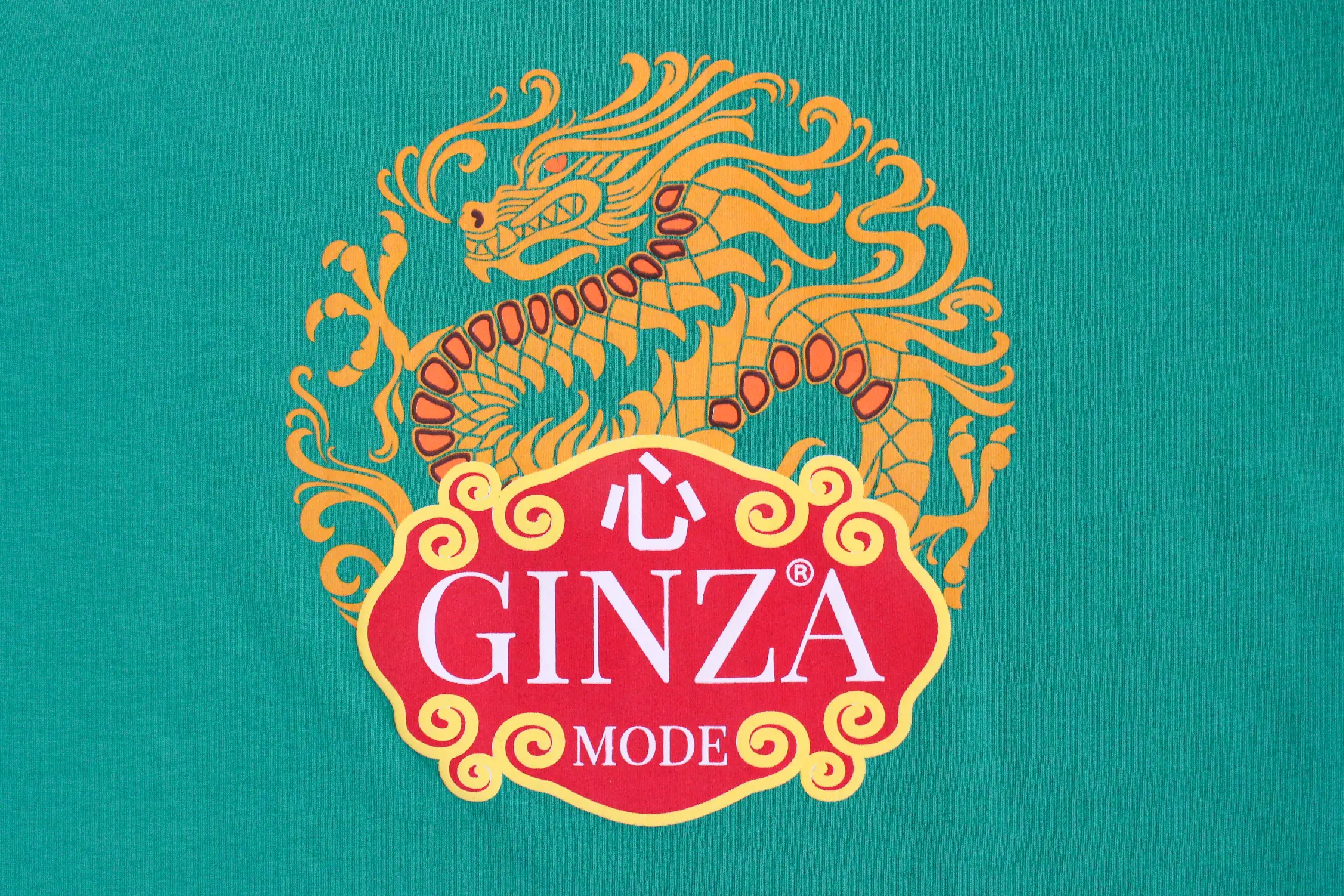
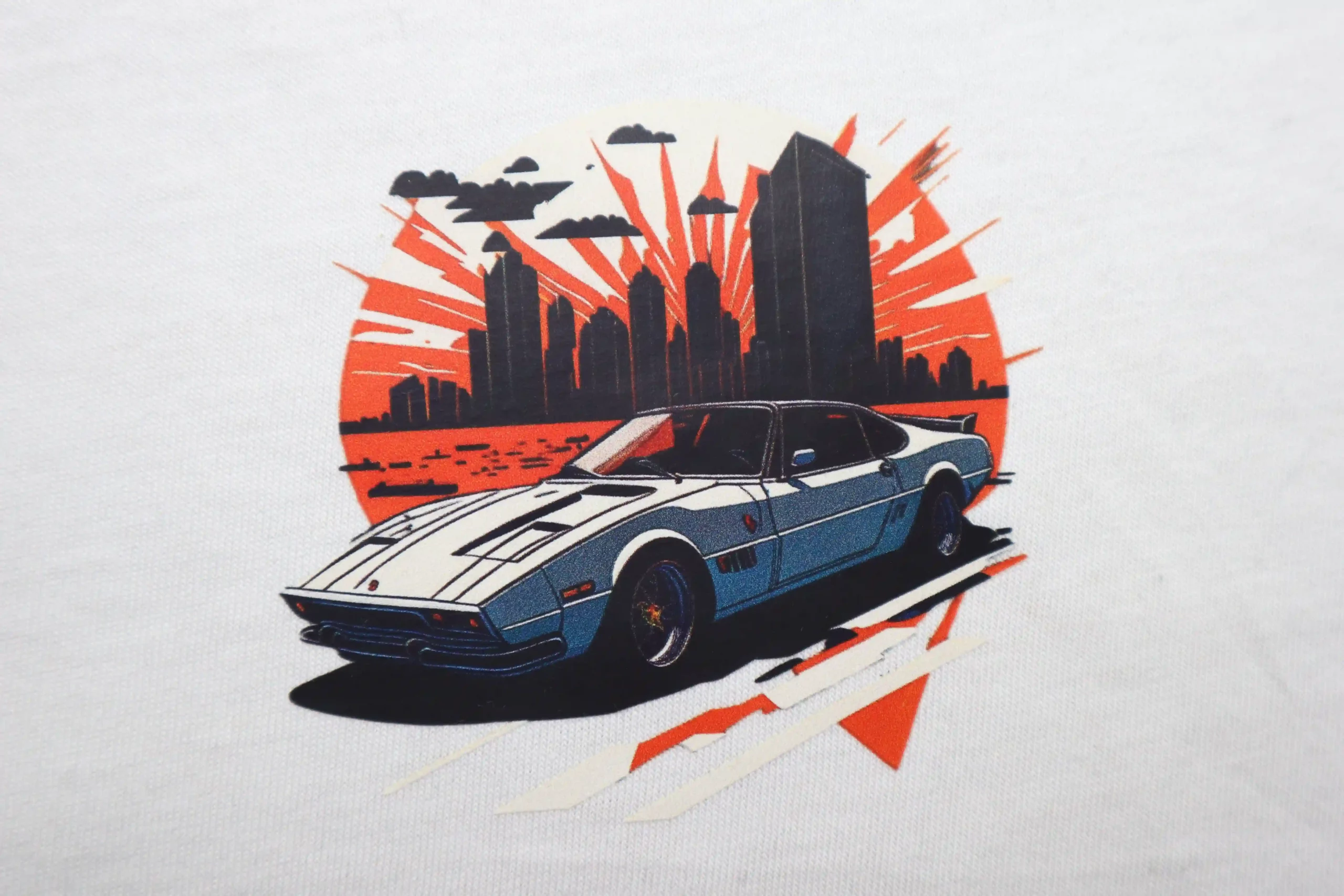
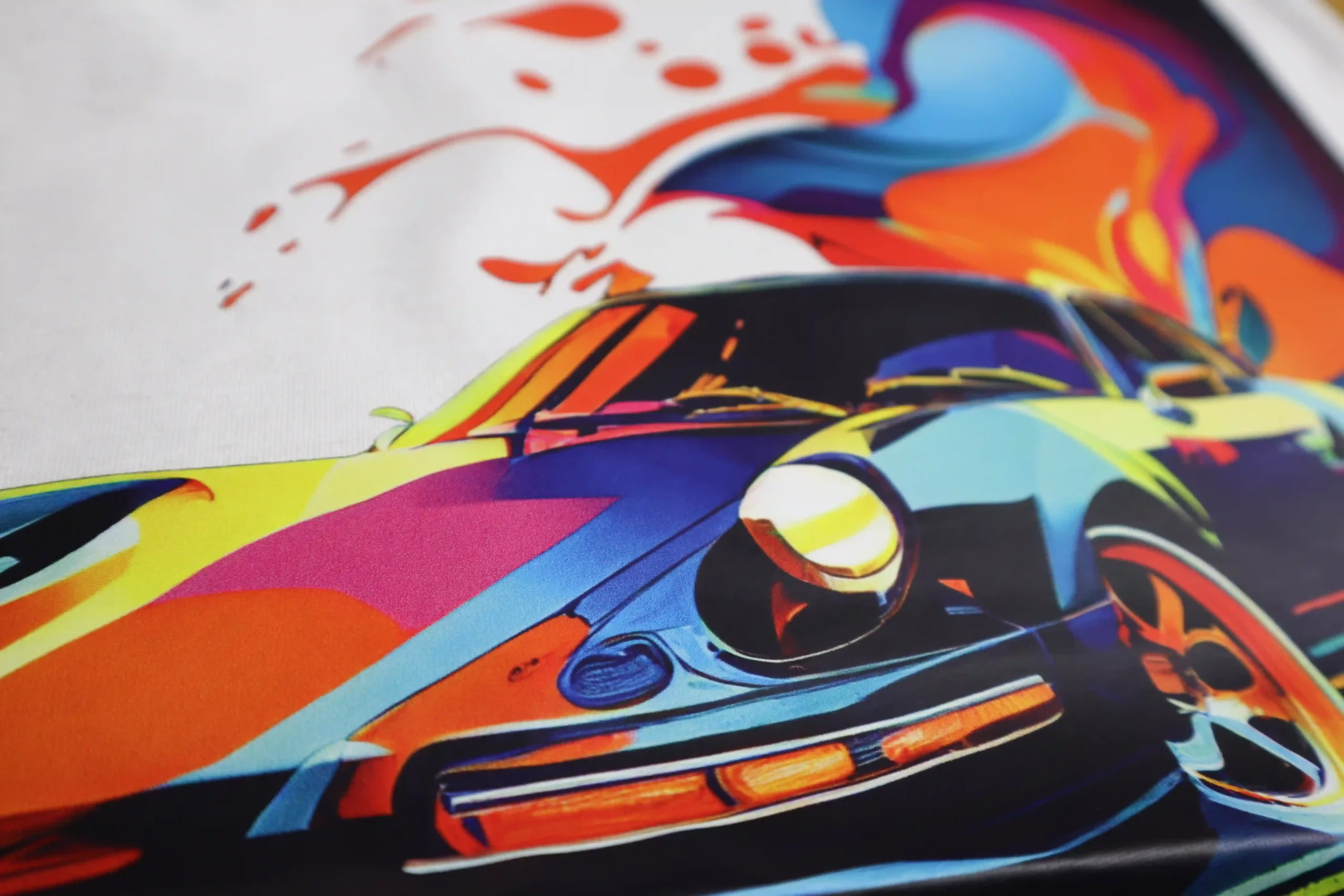
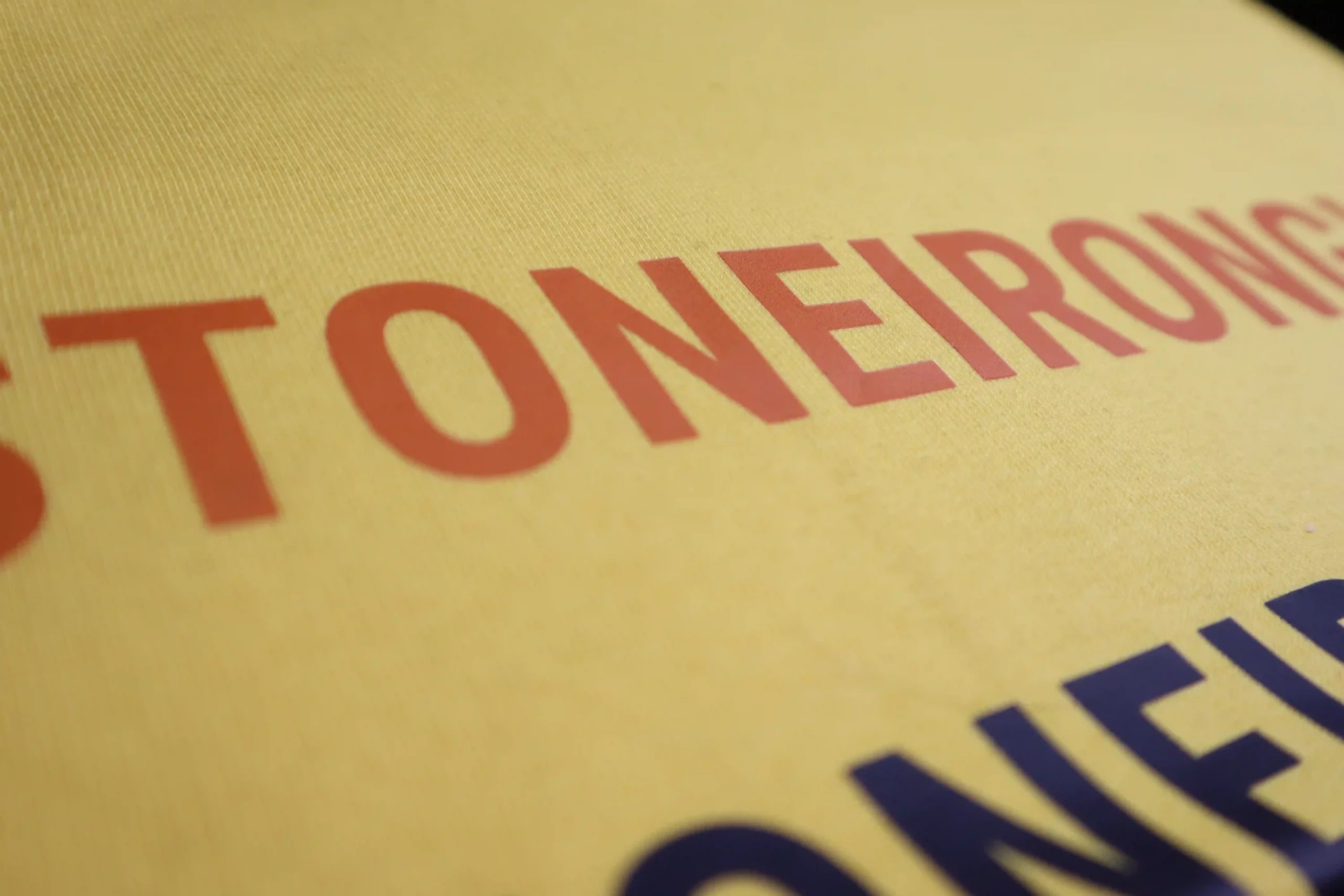
DTF (Direct To Film) printing is a modern textile customization technique that, as the name suggests, involves printing a design onto a special film before heat-transferring it onto a garment. It has become extremely popular because it combines the quality of complex prints (like photos or gradients) with the ability to be applied to a vast variety of fabrics.
Pros:
Total Versatility: This is its major strength. DTF works on almost all fabrics (cotton, polyester, nylon, leather, blends) and on all textile colors (light or dark).
Detail Quality: It allows for printing very complex designs, photos, fine gradients, and small lettering with perfect sharpness.
No Minimum Order: Like digital printing, there are no “stencil” fees (unlike screen printing). It is therefore very cost-effective for small to medium runs, and even unique pieces.
Good Elasticity & Durability: The transfer is thin, flexible, and holds up very well to washing and stretching.
Cons:
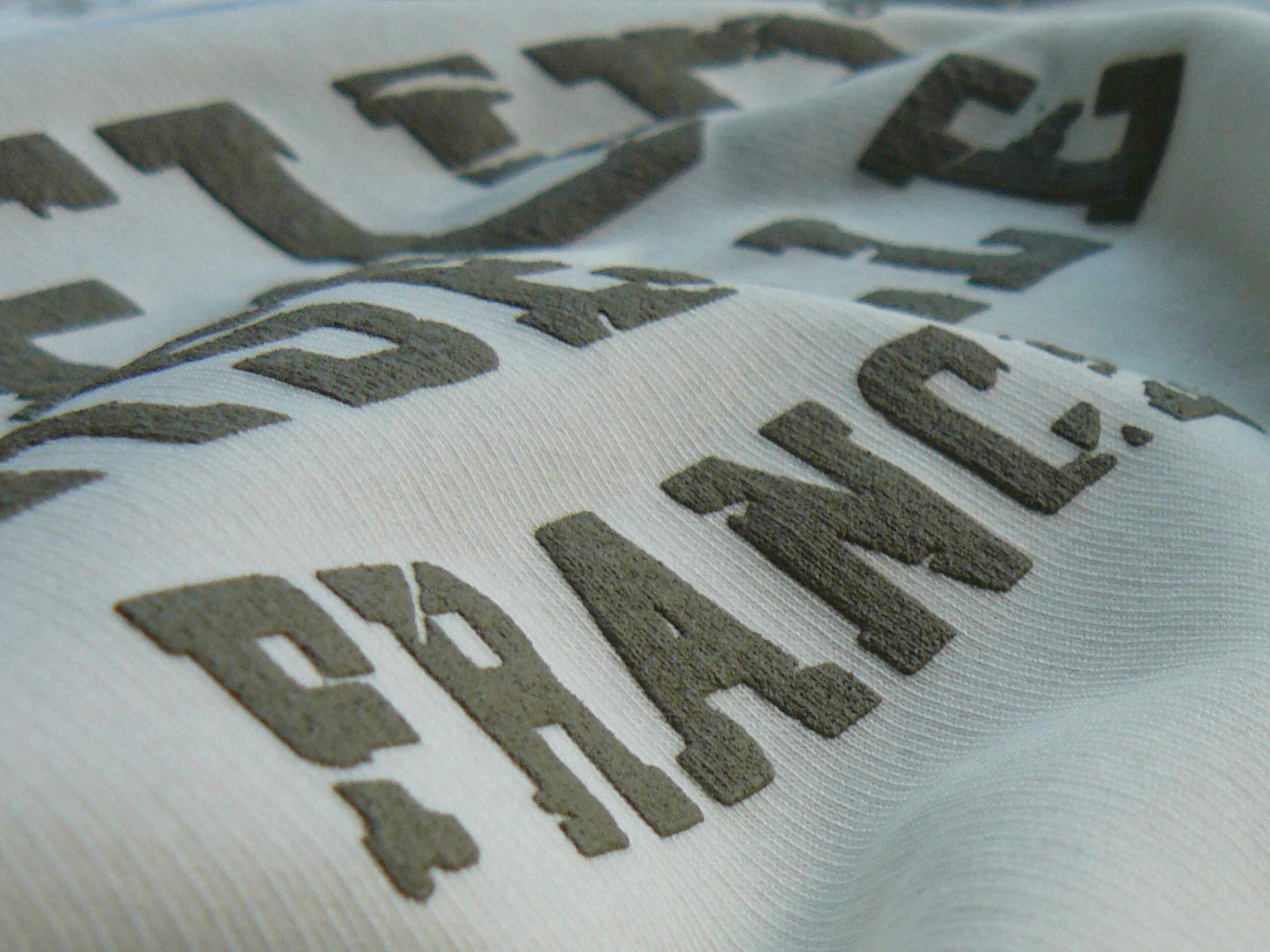
Handfeel: The finish can have a slightly “plastic” or rubbery feel (though technology is improving), as the ink sits on the fabric rather than being absorbed into the fiber (unlike DTG or water-based screen printing).
Less Economical for Massive Volumes: For thousands of pieces with a simple logo, screen printing remains faster and cheaper.
DTG
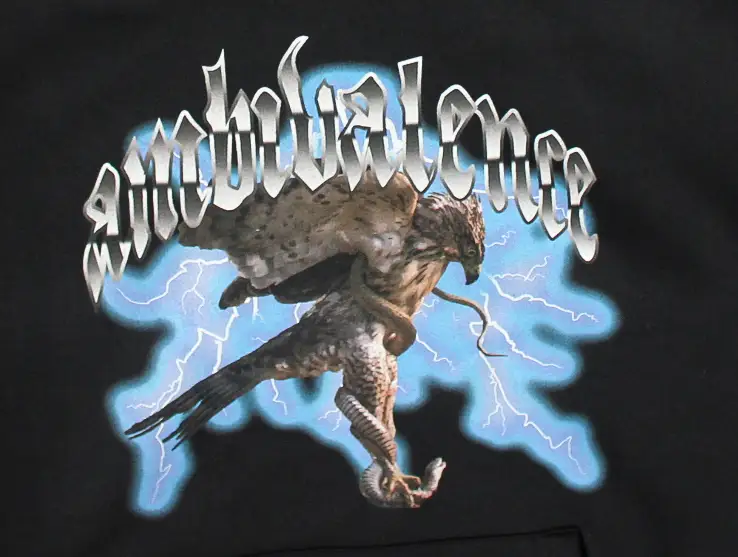
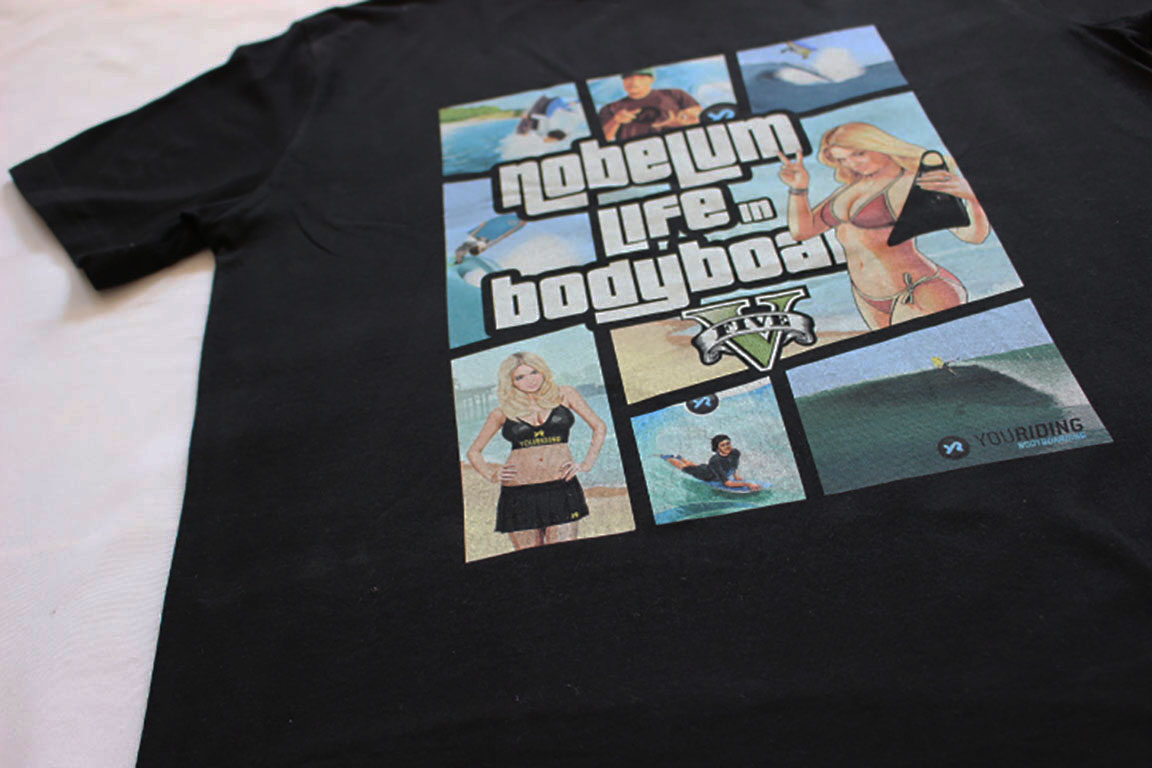
DTG (Direct To Garment) printing works similarly to your desktop inkjet printer, but for fabrics. Instead of printing on paper, a specialized DTG machine jets water-based textile inks directly onto the garment surface (like a t-shirt or sweatshirt). It is a very modern method, particularly suited for complex designs and photos.
Pros:
Photographic Quality: This is the best technique for printing photos, complex gradients, and designs with millions of colors.
Very Soft “Handfeel”: The ink penetrates into the fabric fiber (especially on white textiles) instead of sitting on top. The result is soft, breathable, and has almost no texture.
No Minimum Order: Like DTF, it is a digital process with no setup fees. Perfect for print-on-demand, samples, or one-off pieces.
Cons:
Fabric Limitation: Its biggest drawback. DTG works almost exclusively on high-cotton content textiles (ideally 100% cotton). Inks do not adhere well to polyester, nylon, or other synthetics.
Less Efficient for Large Volume: Printing is relatively slow (one piece at a time). For hundreds of identical items, screen printing is much faster.
Durability (vs. Screen Printing): While good if processed correctly, a DTG print may tend to fade slightly faster than traditional screen printing after many washes.
Flex
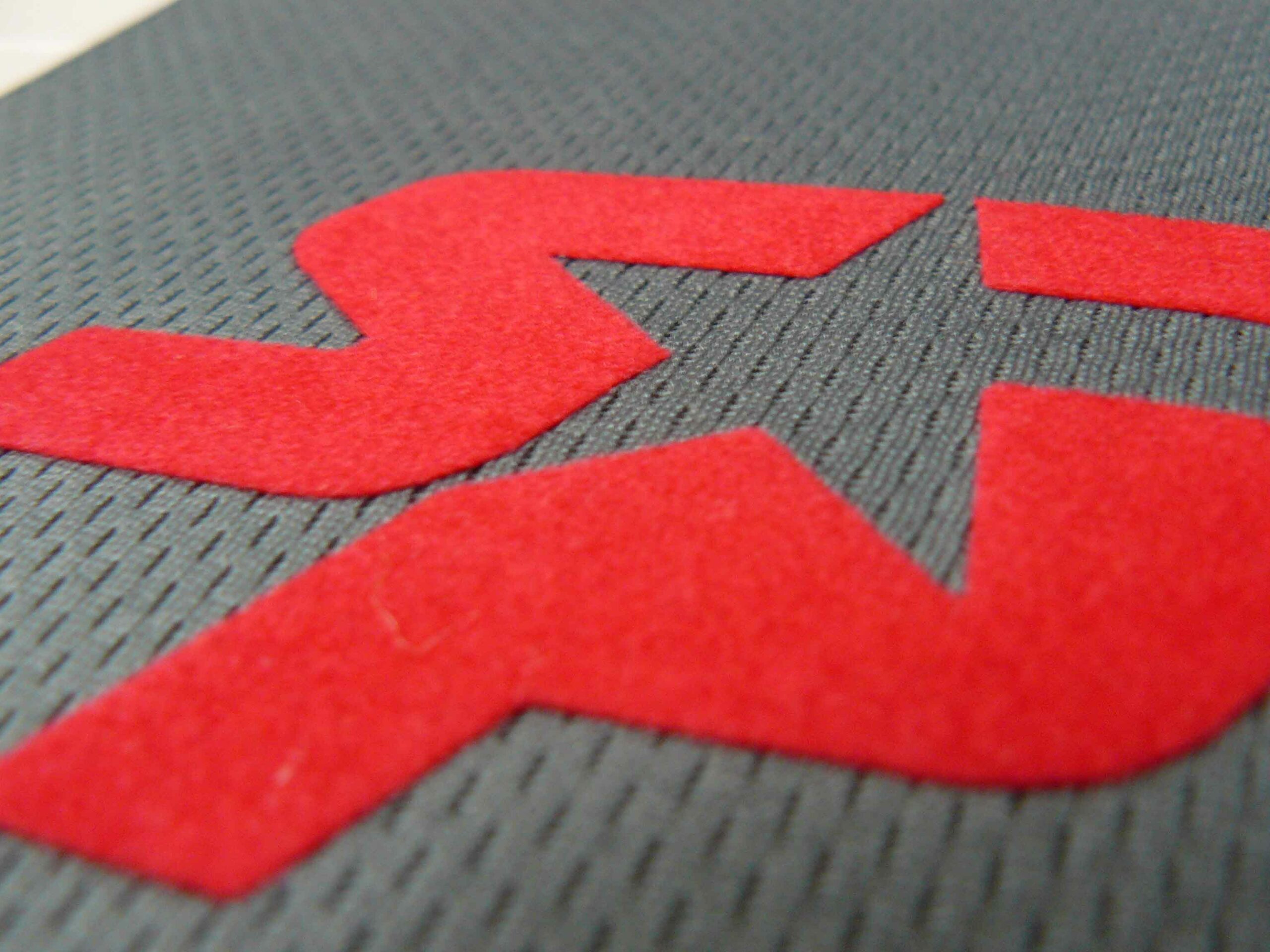
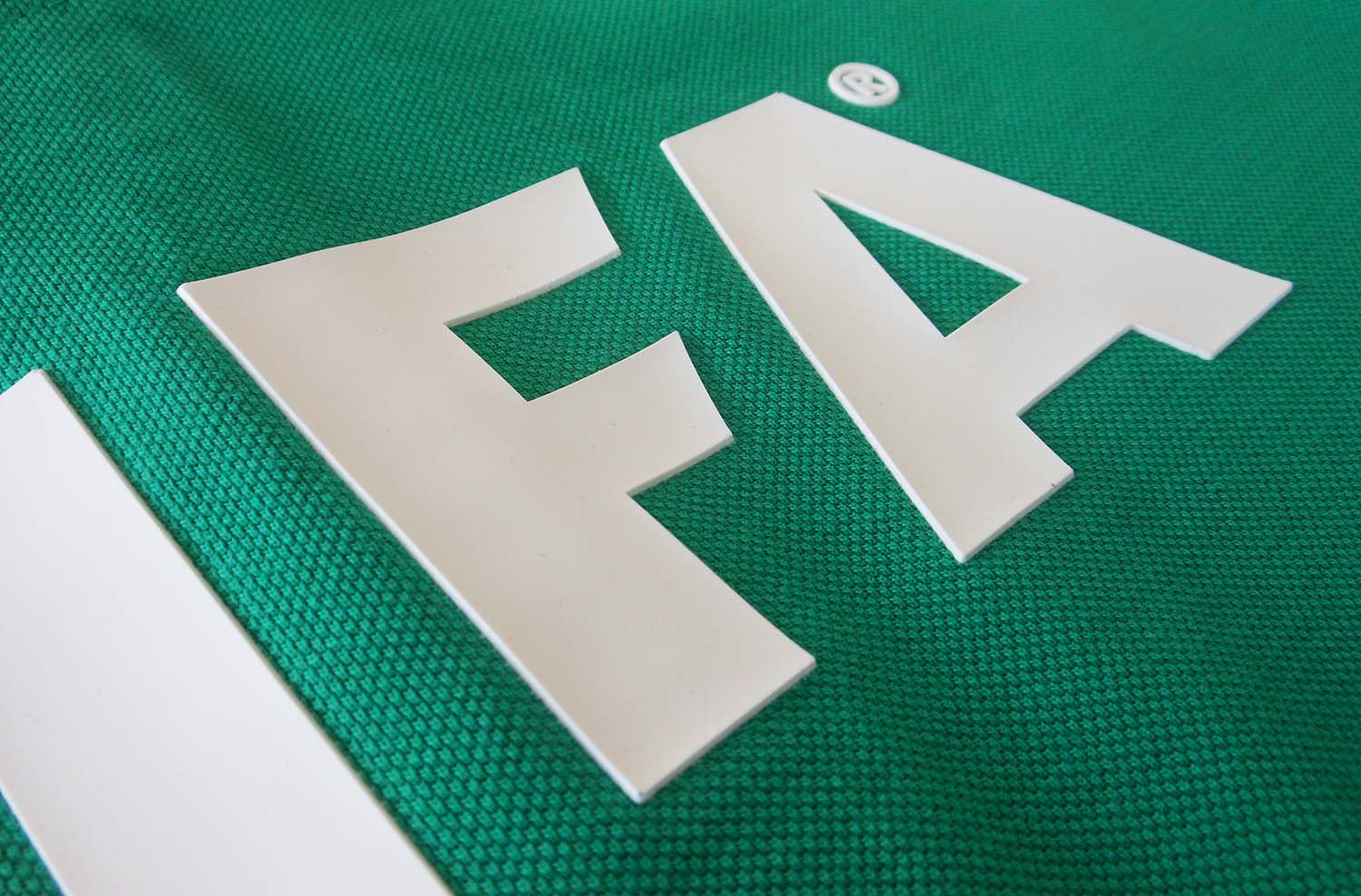
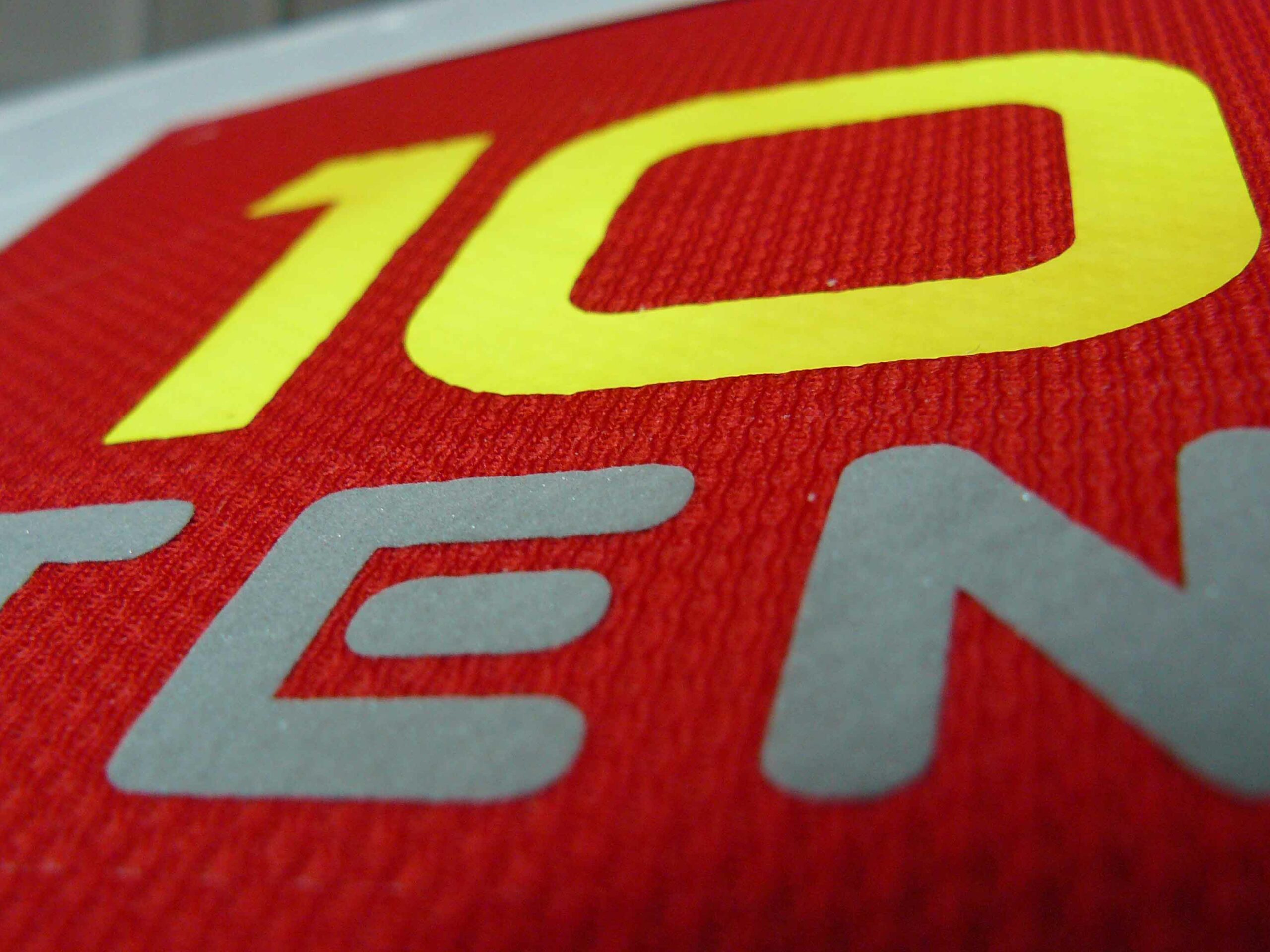
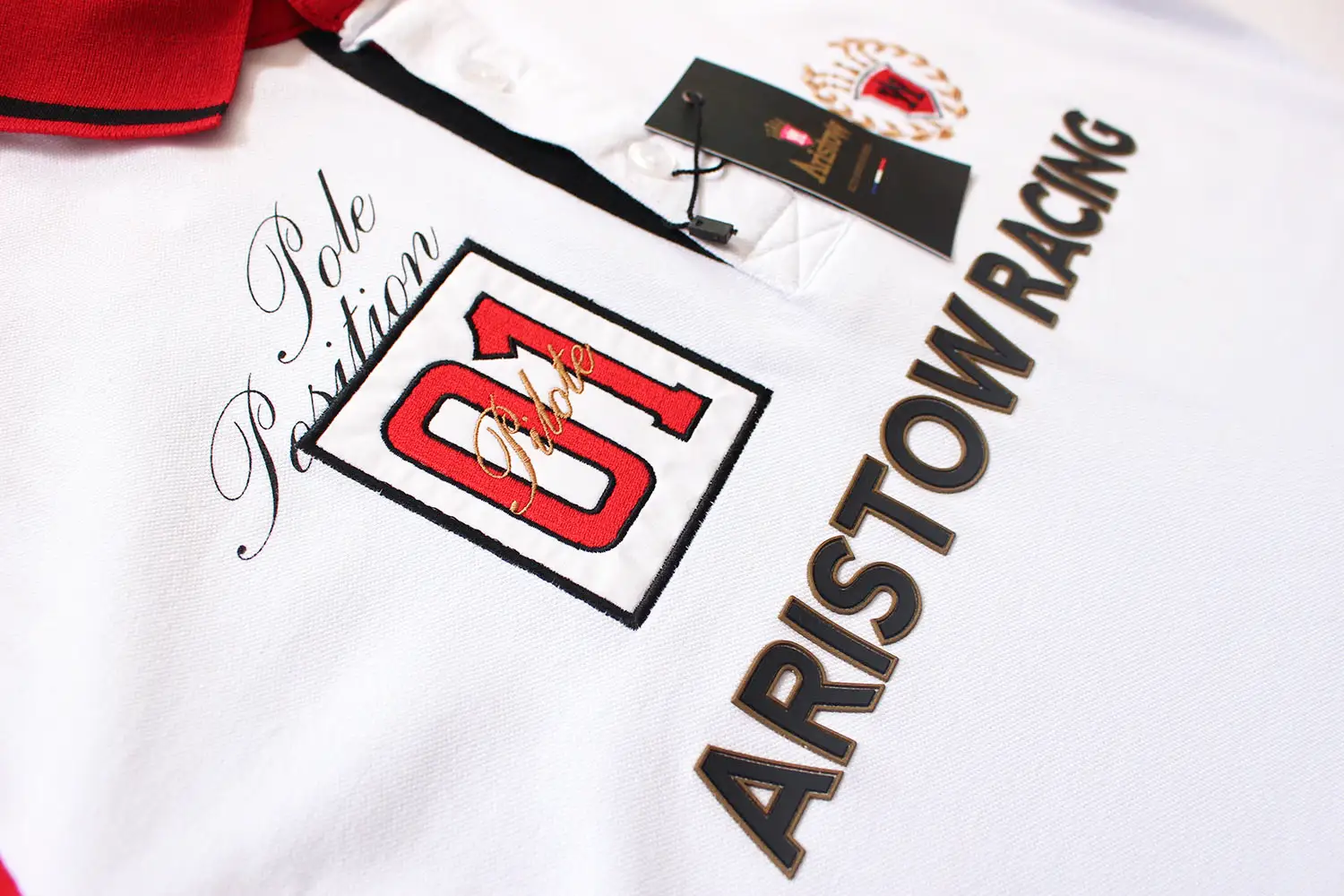
Flex printing is a technique that involves cutting a design from a roll of heat-transfer vinyl (“flex”) and heat-pressing it onto a garment. It is the most common method for simple customizations like sports jerseys (names, numbers) or small runs of slogan t-shirts.
Pros:
Ideal for Small Runs & Uniqueness: Perfect for customizing a single jersey with a name/number without fixed costs.
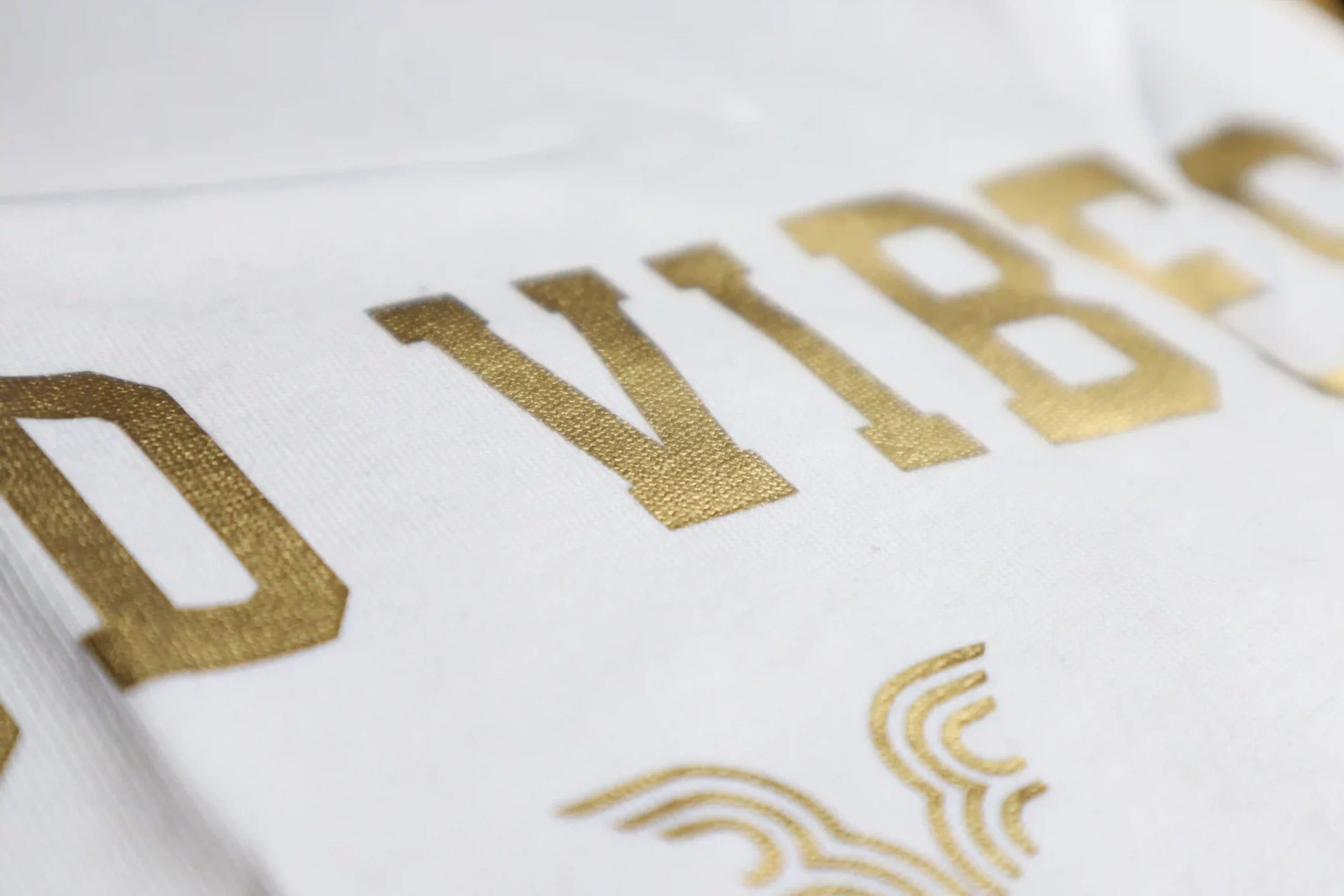
Vibrant & Opaque Colors: Flex is a 100% opaque material. White flex will be perfectly white, even on a black t-shirt.
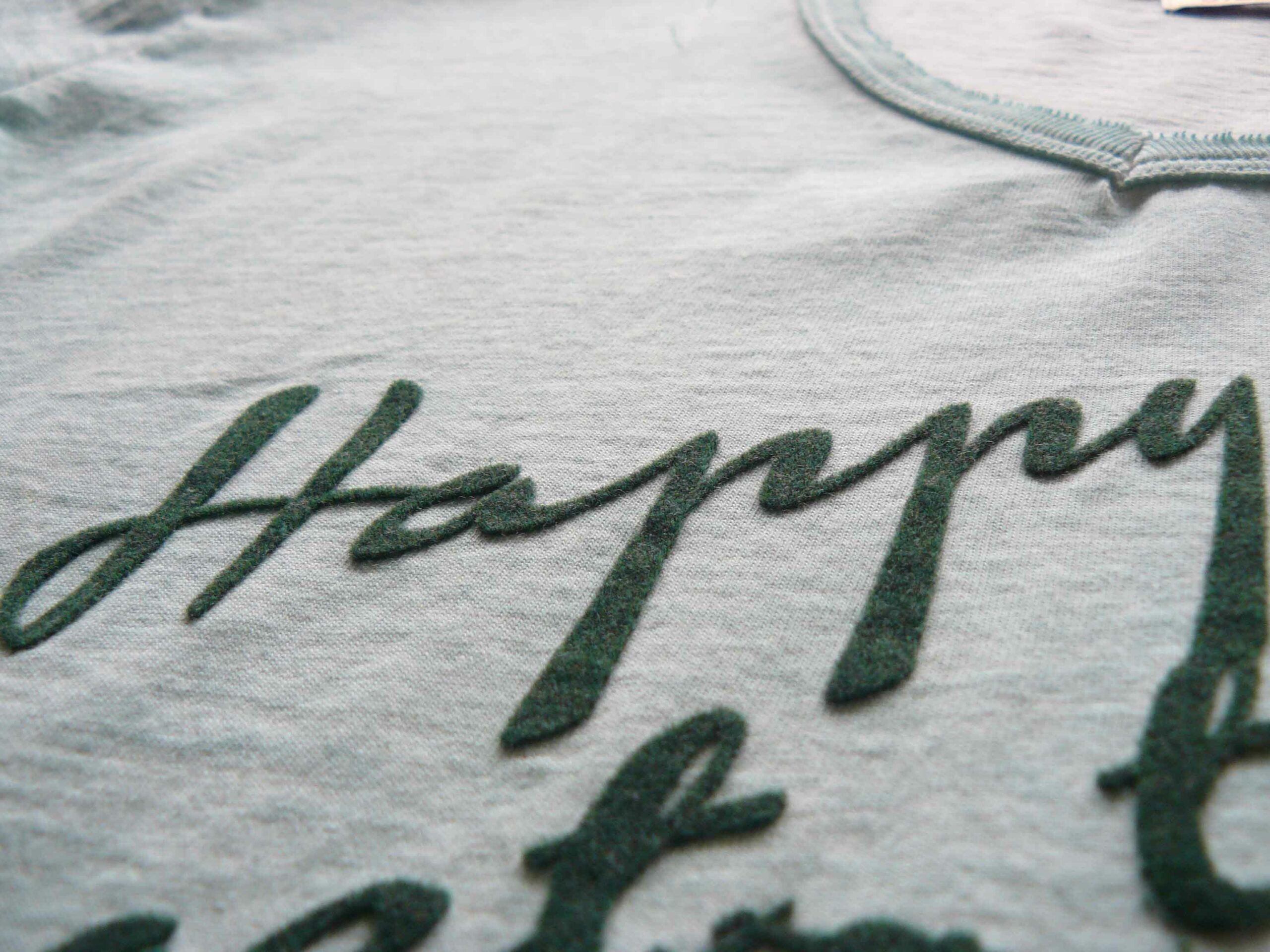
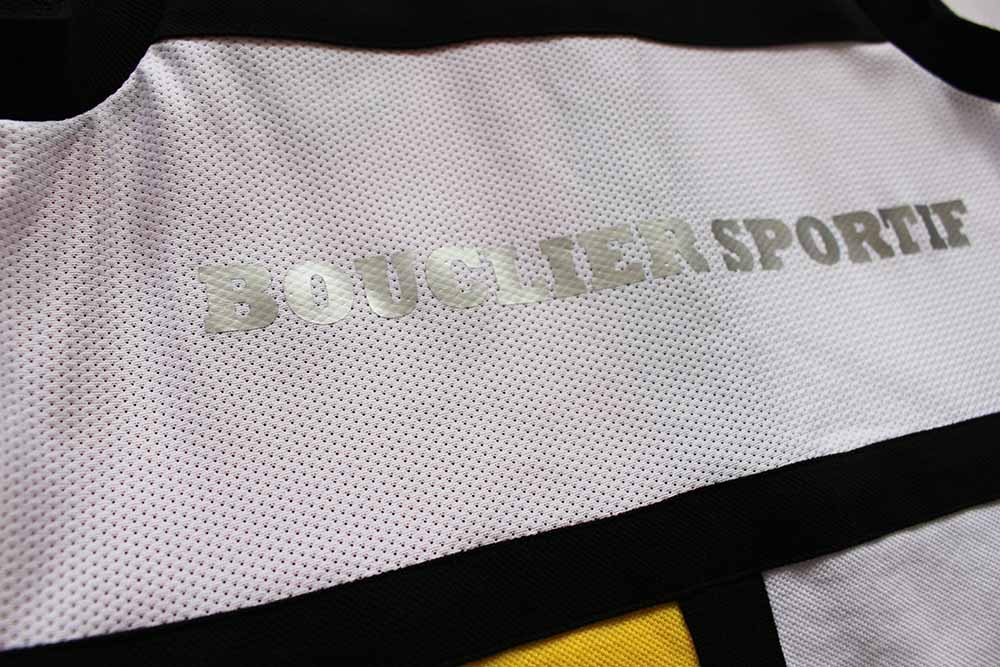
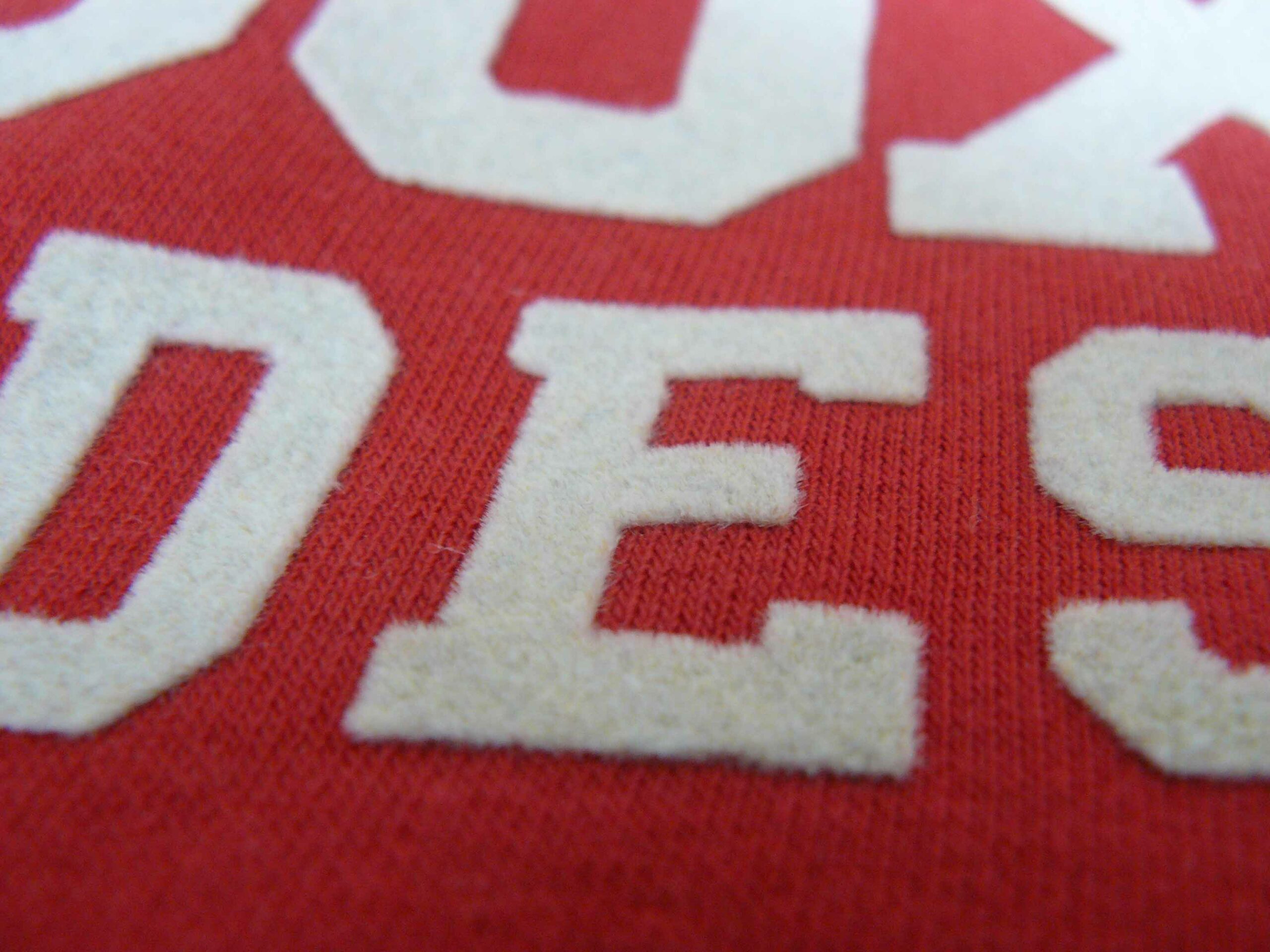
Wide Choice of Finishes: Its greatest asset! Flex comes in many textures: velvet (“flock”), glitter, glow-in-the-dark, reflective, metallic, 3D effect…
Good Durability: If the vinyl is high quality and properly applied, it has excellent wash resistance.
Cons:
Limited to Simple Designs: Flex cannot print photos, color gradients, or extremely fine details. Everything must be cuttable by a plotter.
Handfeel: The print has a “plastic” feel (smooth for flex, fuzzy for flock) and sits in relief on the garment. The fabric loses flexibility in that area.
Complex Multicolor: For a 3-color logo, you must cut, weed, and press 3 different layers of vinyl, making the process long and costly.
Sublimation
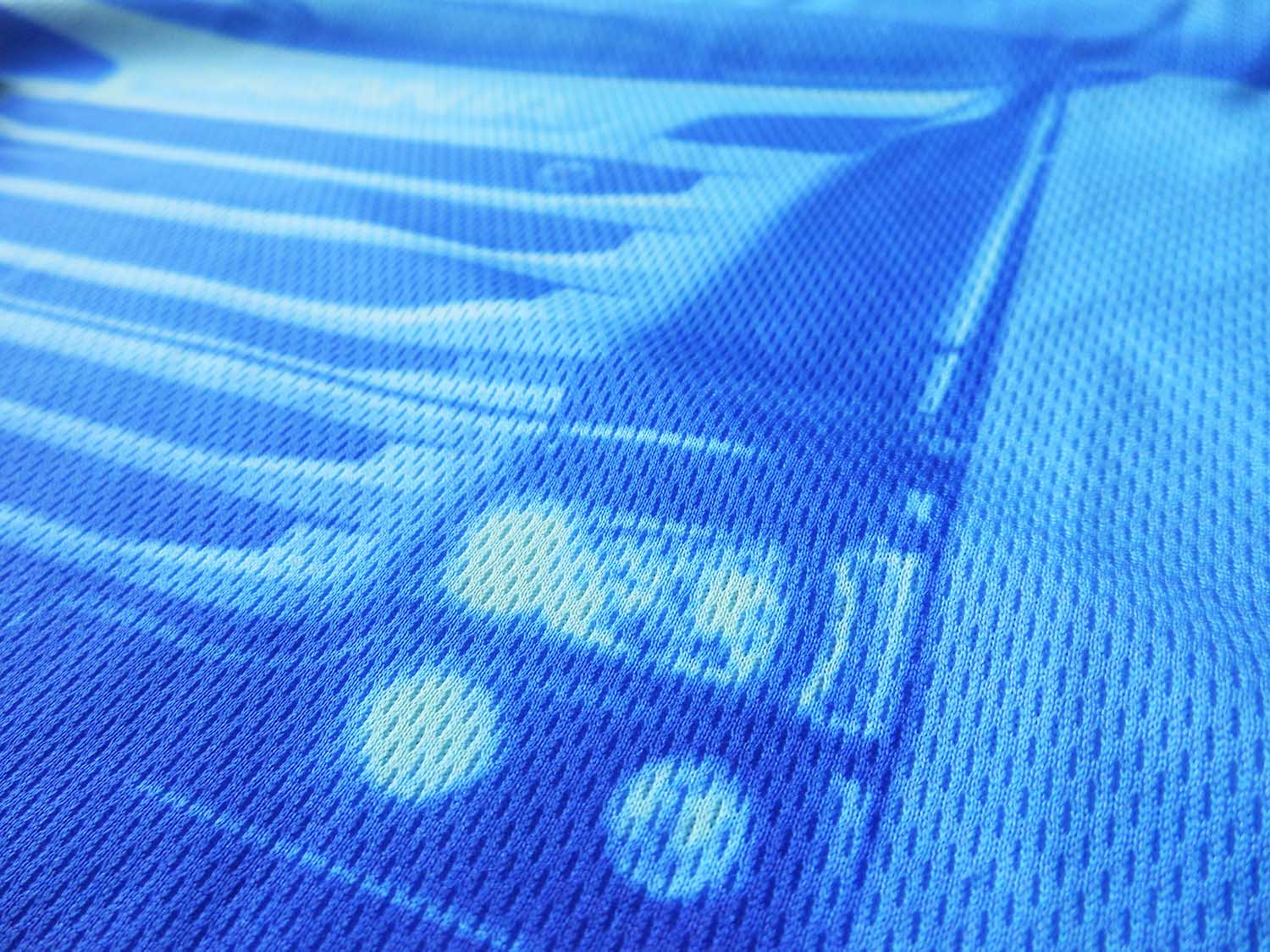
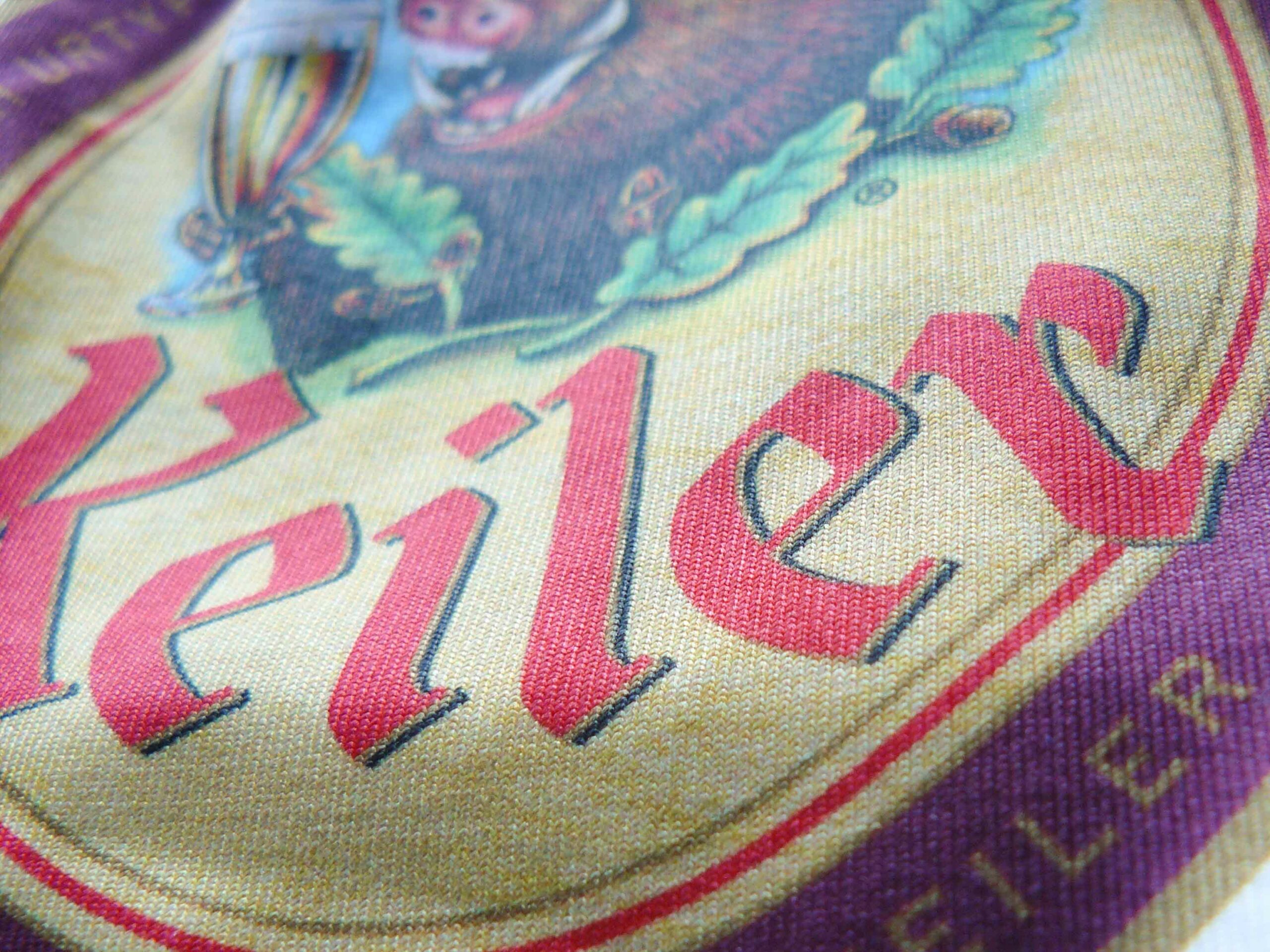
Sublimation printing is a digital technique radically different from the others. Its principle is not to deposit ink or film on the fabric, but to dye the polyester fiber deep down.
Pros:
Zero “Handfeel”: Its biggest advantage. The result is completely imperceptible to the touch. The fabric remains 100% flexible and breathable.
Absolute Durability: Since the ink is inside the fiber, it cannot crack, peel, or fade over time or washing. It is as durable as the garment itself.
Photographic Quality: Allows printing photos, gradients, and unlimited colors with exceptional vibrancy.
Cons (The Two Golden Rules):
WORKS ONLY ON POLYESTER: Sublimation inks can only chemically bond with synthetic fibers. It does not work at all on cotton. (It works on blends, but the result will look “vintage” or faded, as ink only takes on the polyester part).
WORKS ONLY ON WHITE OR LIGHT FABRIC: Sublimation is dyeing, not painting. The ink is translucent. It cannot cover a dark color. There is no white sublimation ink. (If you print on a blue shirt, your yellow ink + blue shirt = green result).