→ Embroidery & Applique: For Premium, Long-Lasting Branding
Embroidery
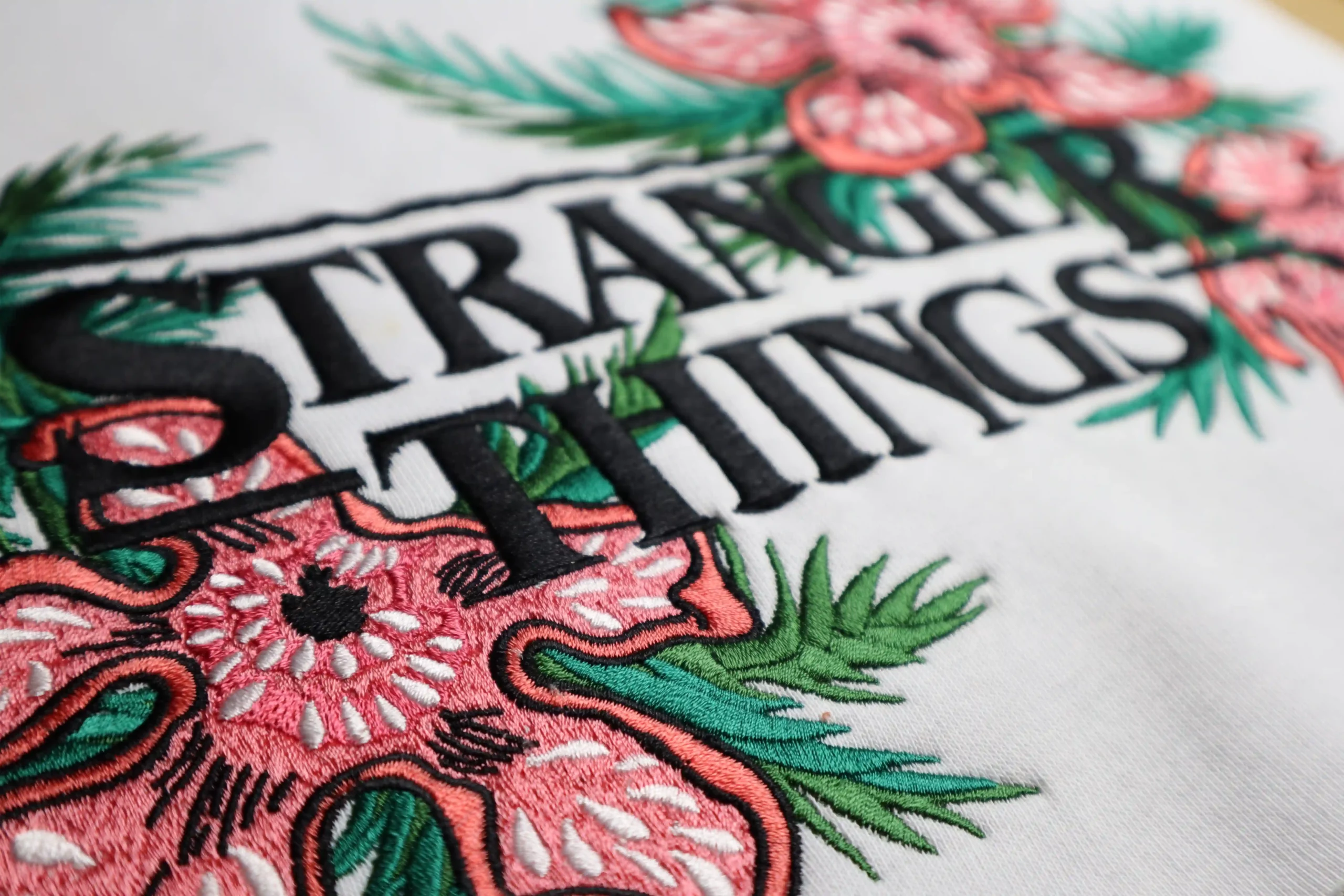
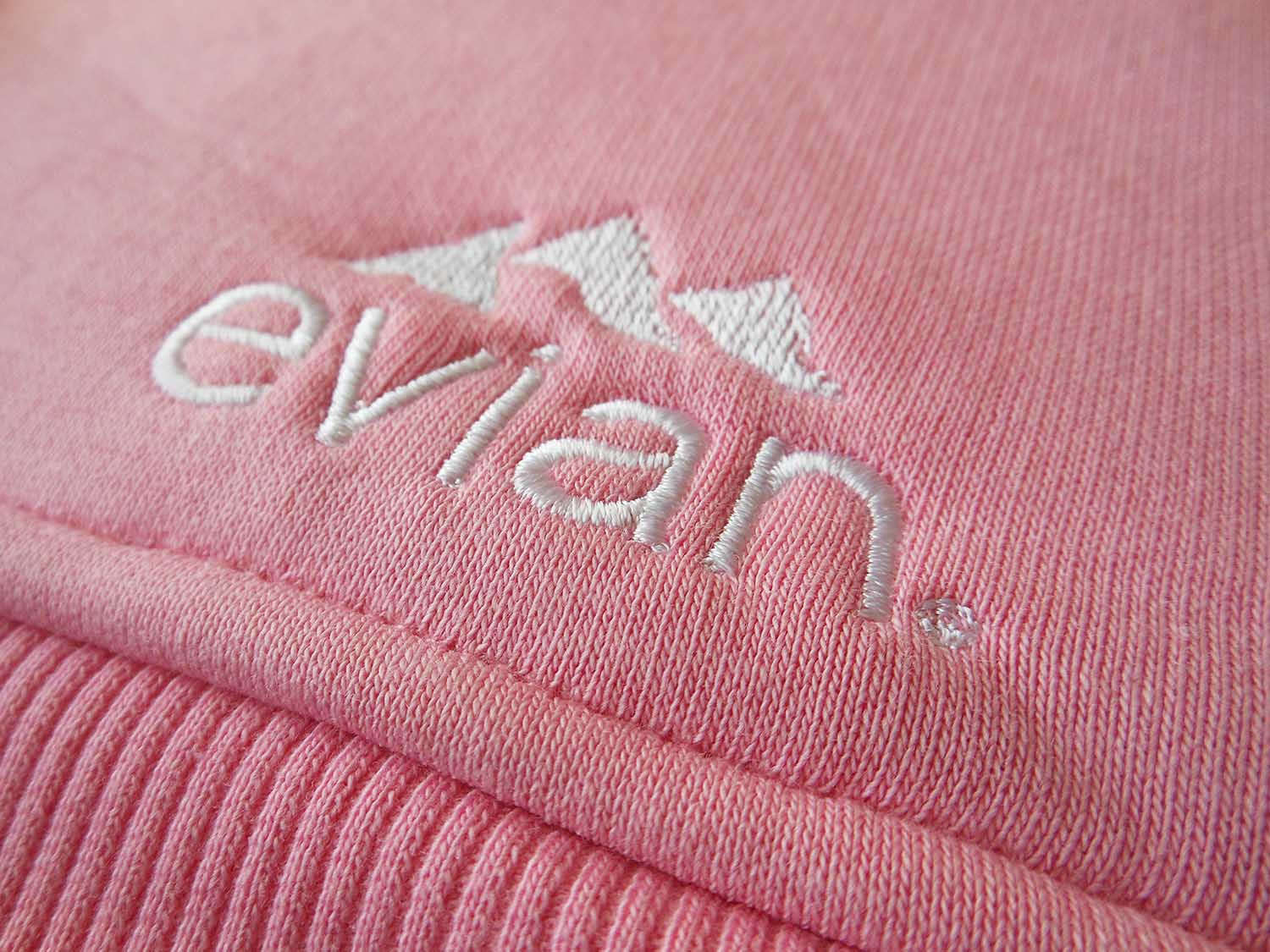
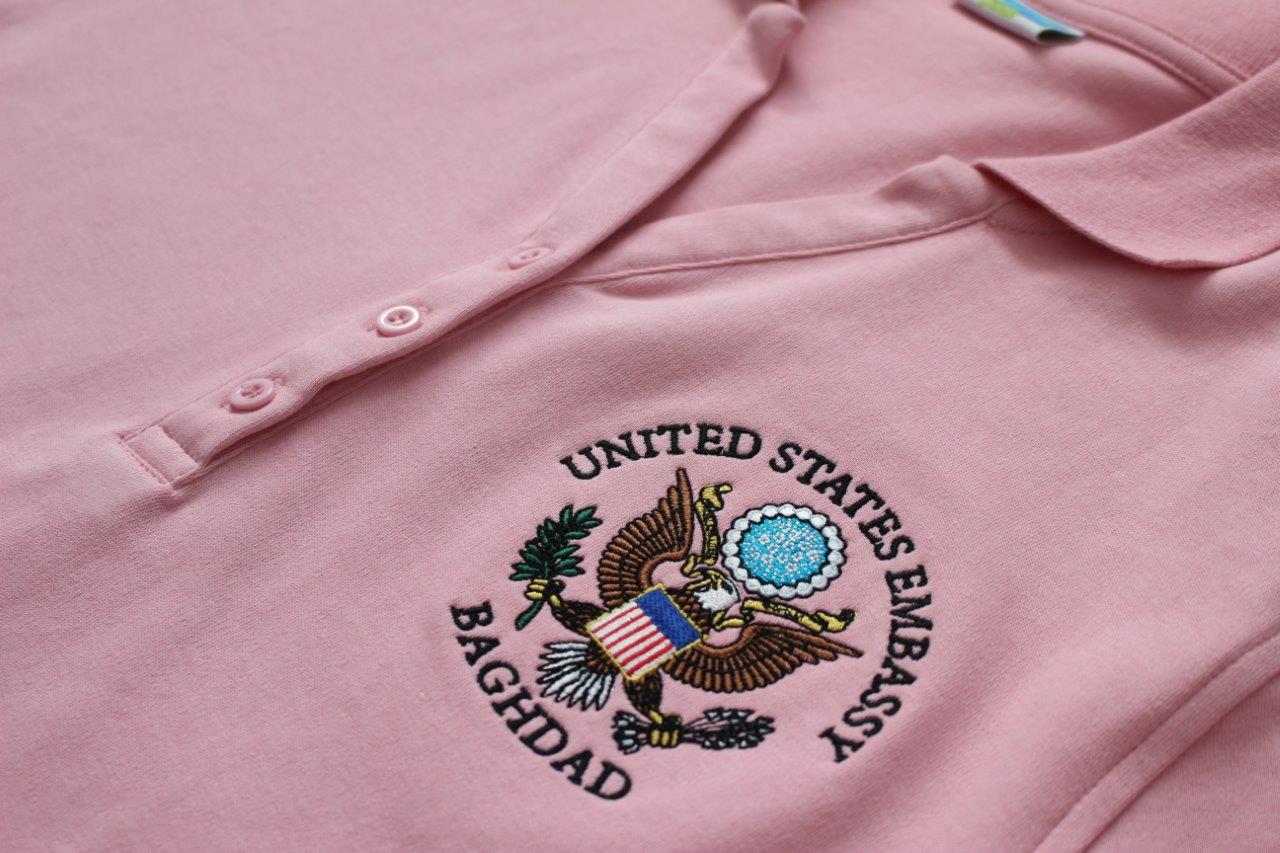
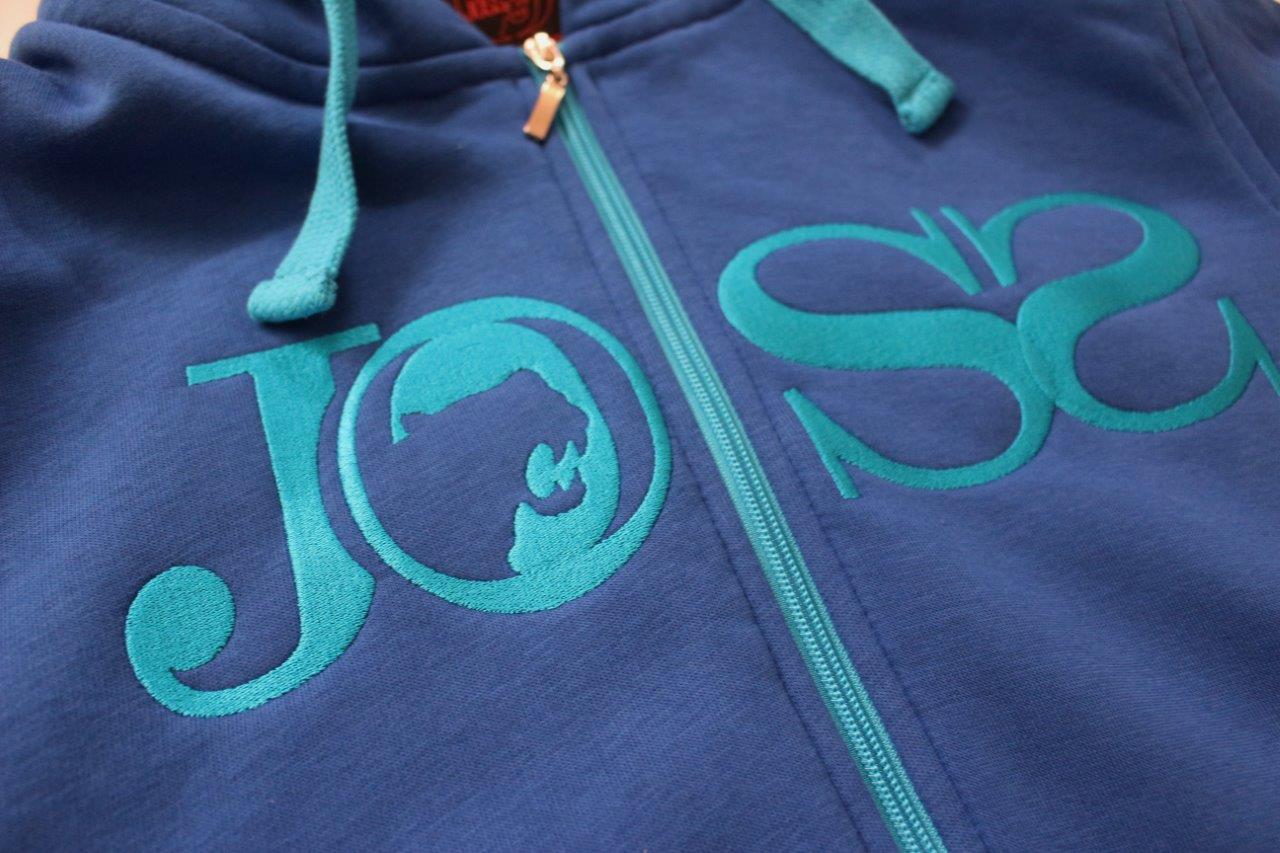
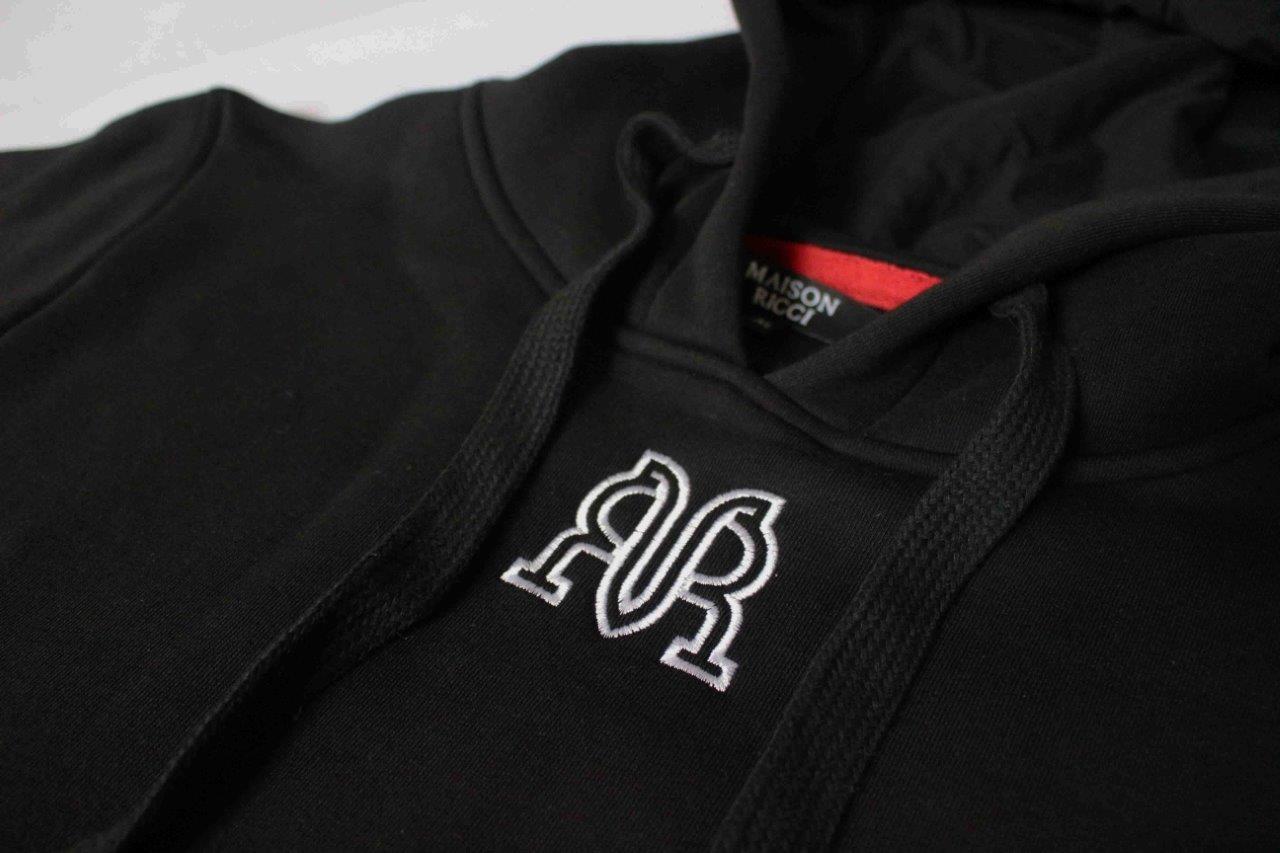
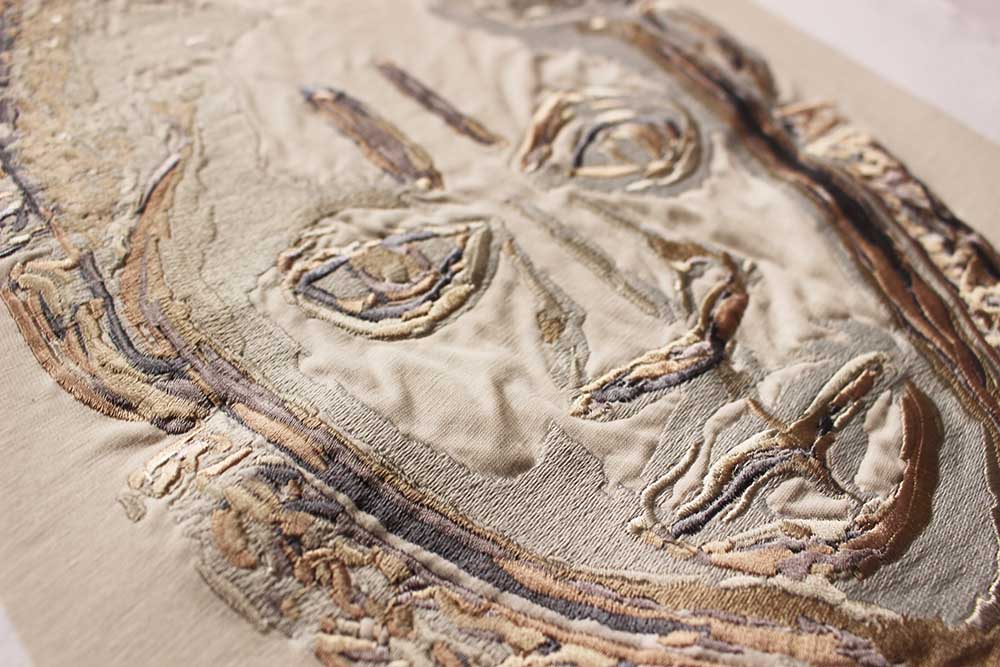
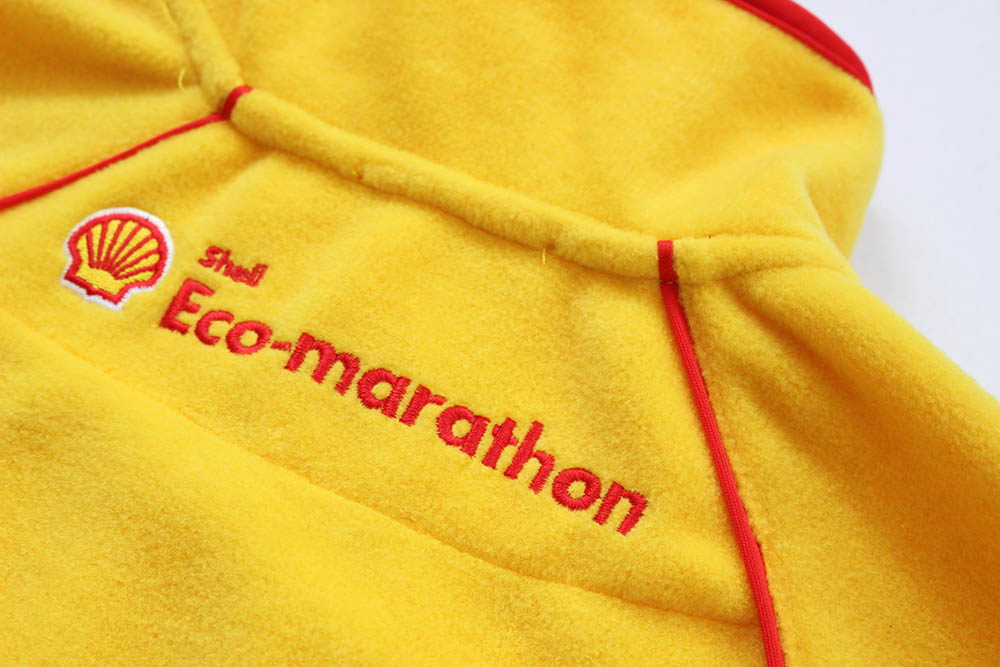
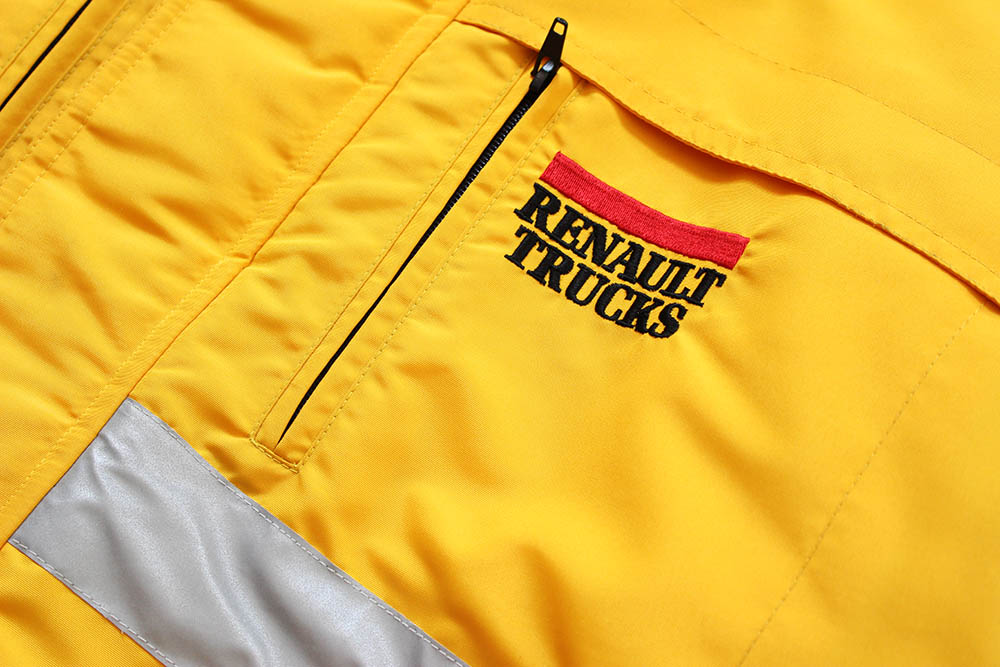
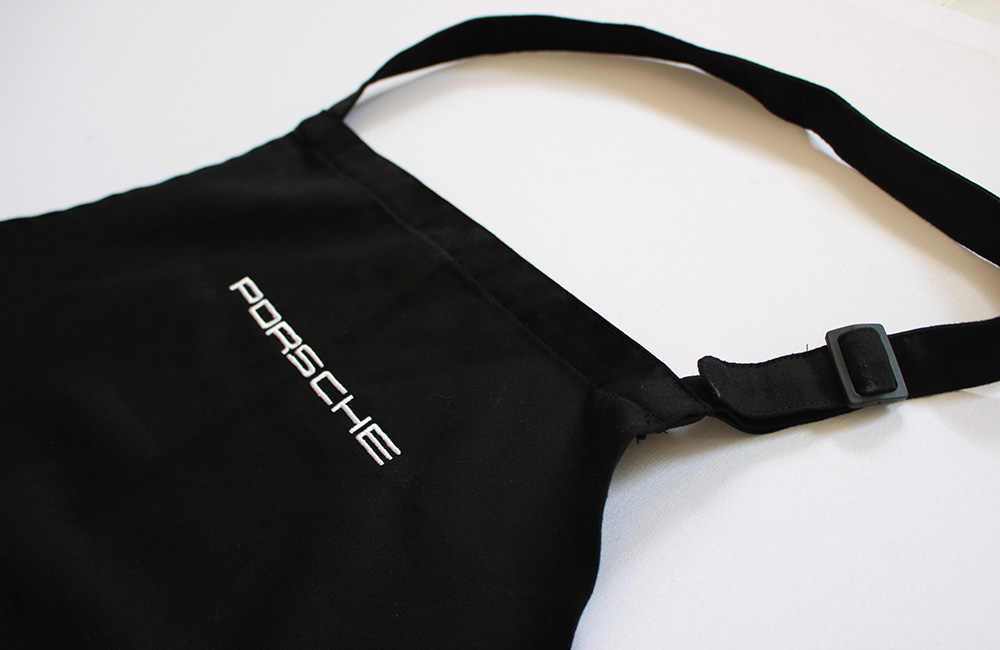
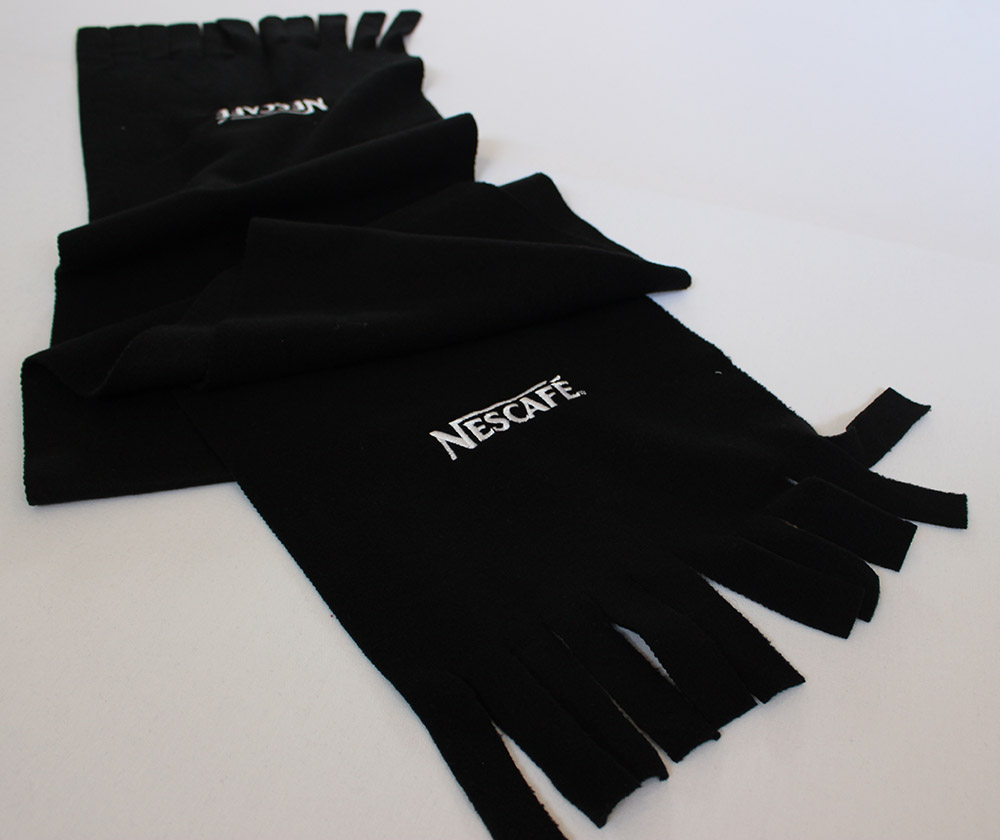
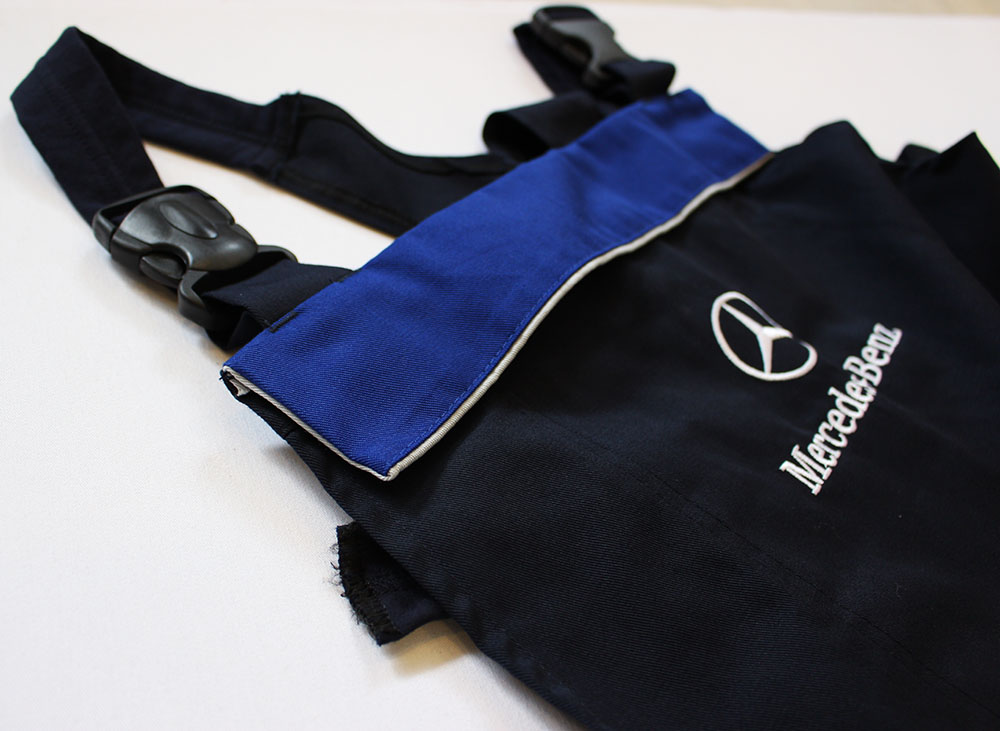
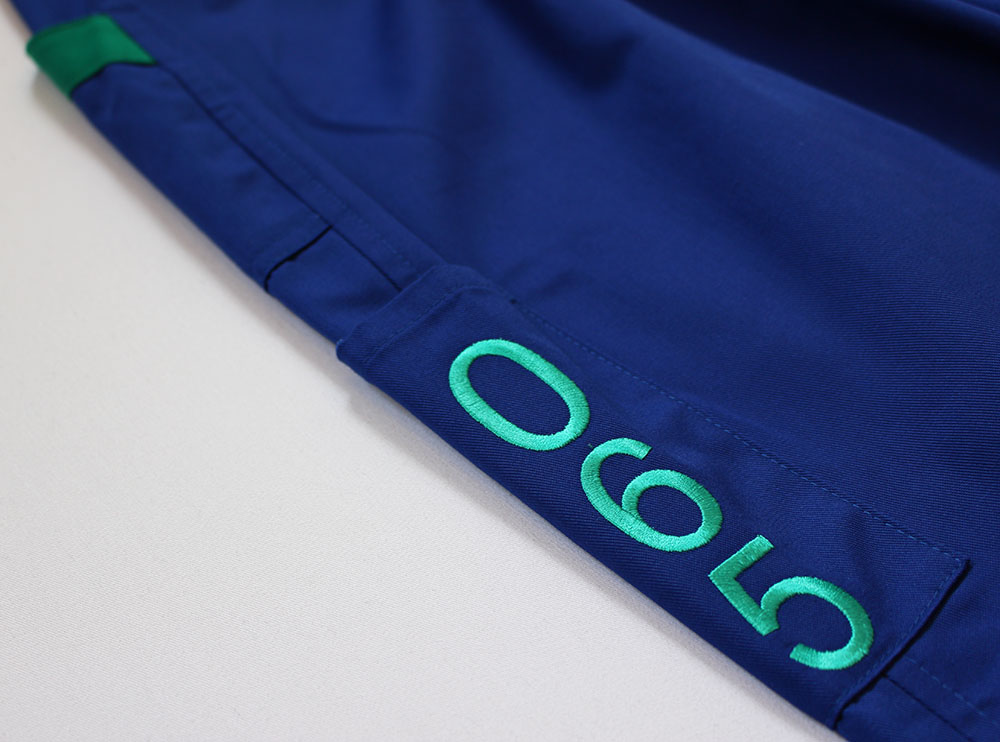
Embroidery is a high-end textile customization technique that involves decorating fabric by stitching threads using the multiple needles of computer-controlled industrial embroidery machines. At our facility, we exclusively use Tajima brand machines (the industry standard).
How does industrial embroidery work?
Digitizing: A logo or design must first be converted into a digital program the machine can read. A specialist “redraws” the logo, dictating the stitch order, type, density, and direction to the machine. This is a crucial step that determines final quality.
Preparation: The garment is reinforced on the back with a support material (the “backing” or stabilizer) to prevent the fabric from puckering.
Execution: Equipped with multiple heads and needles, the machine executes the program at high speed, automatically changing thread colors according to the design. Finally, jump threads are trimmed manually.
Pros:
Exceptional Durability: Its greatest strength. Threads resist washing (even at high temperatures), UV rays, and wear infinitely better than any ink.
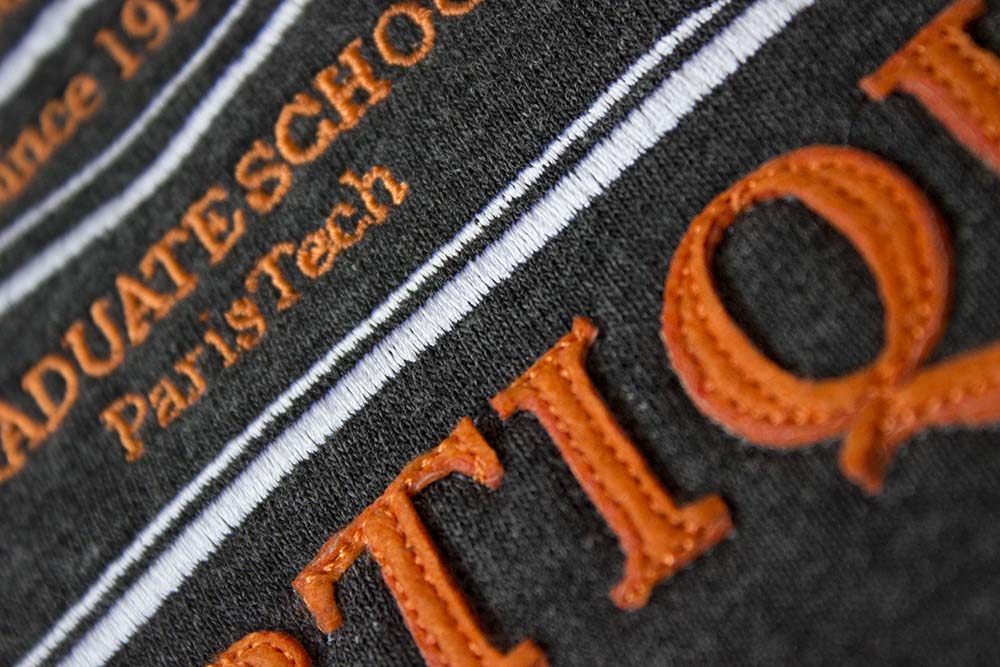
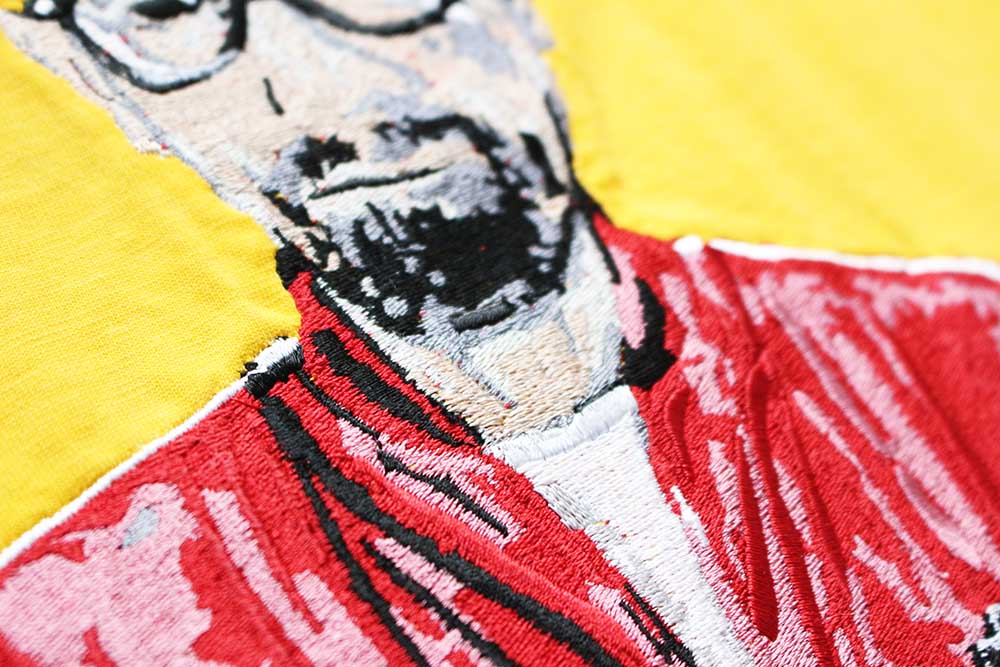
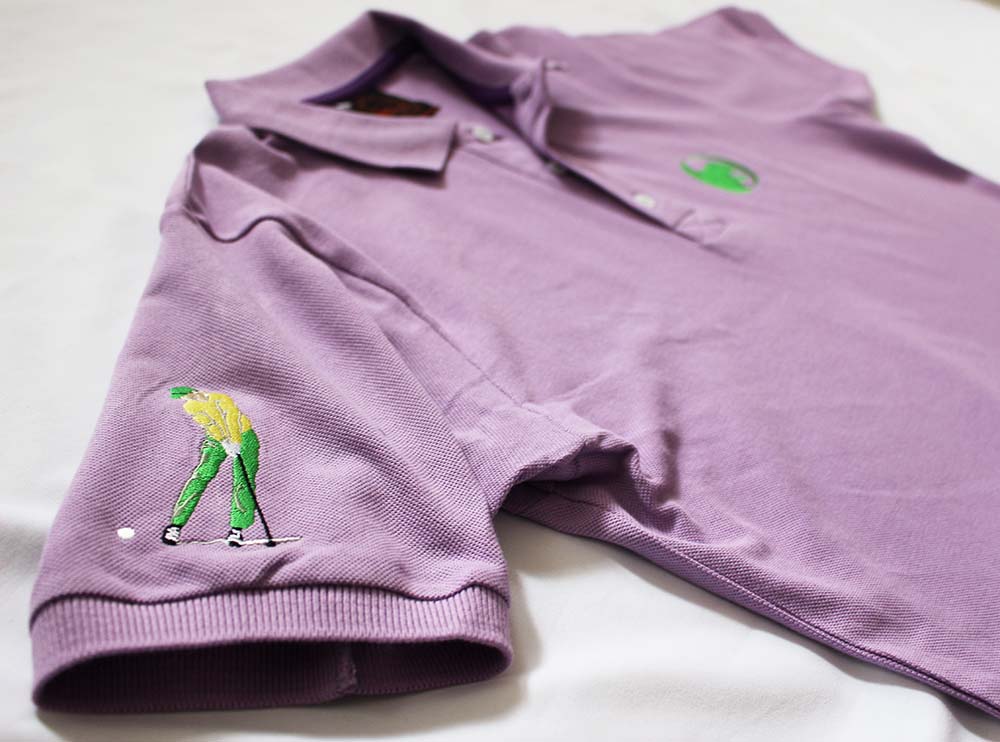
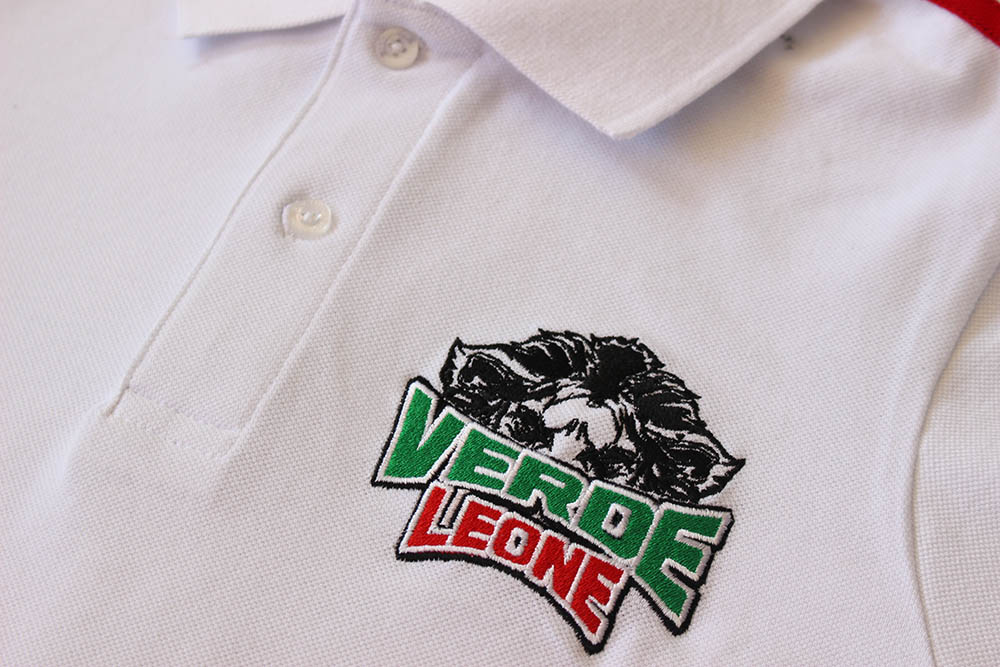
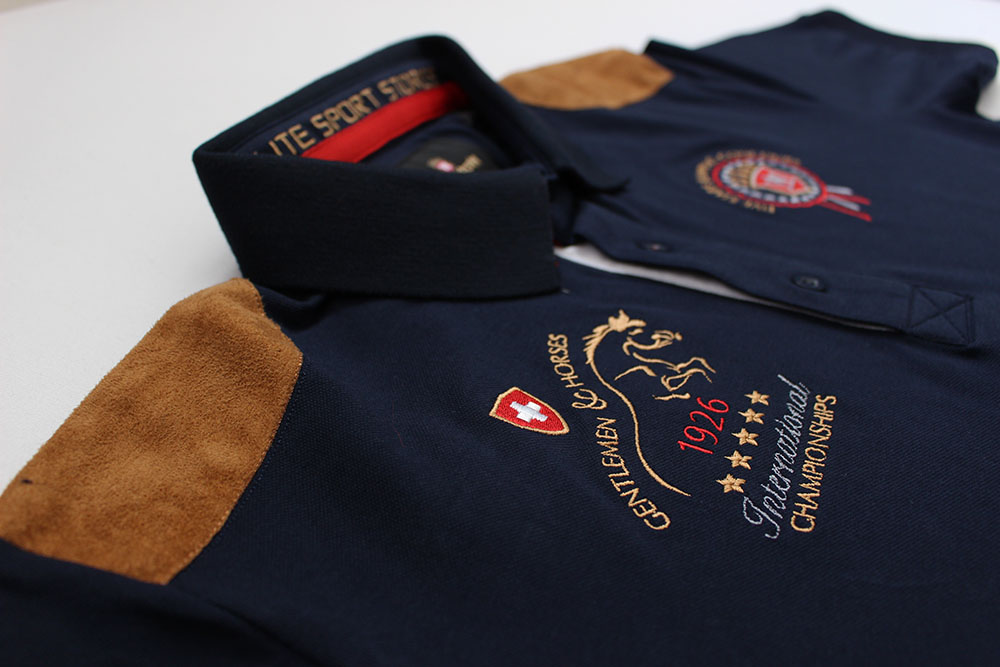
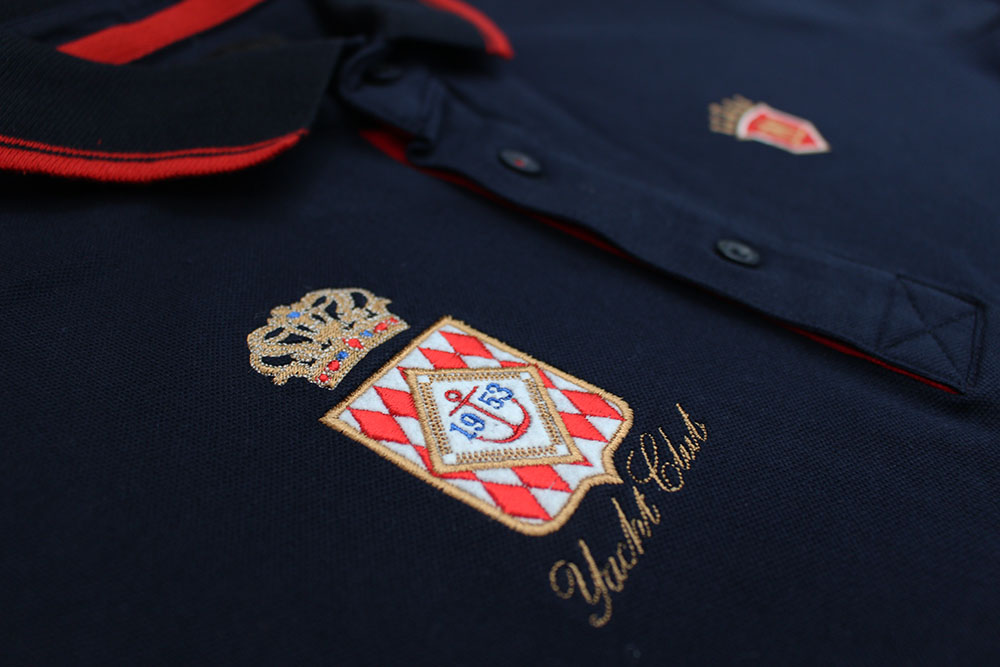
High-End Professional Look: Embroidery offers a quality, textured, 3D finish that is immediately perceived as “premium.” It is the preferred choice for uniforms, corporate polos, and branded merchandise.
Colorfastness: Since threads are solution-dyed, colors remain vibrant and do not fade.
Versatility: The best solution for thick or textured items (fleece, jackets) where printing is difficult.
Cons & Limitations:
Cost for Large Areas: Embroidery pricing is calculated by stitch count. A large logo (like a full back) can contain tens of thousands of stitches and become costly.
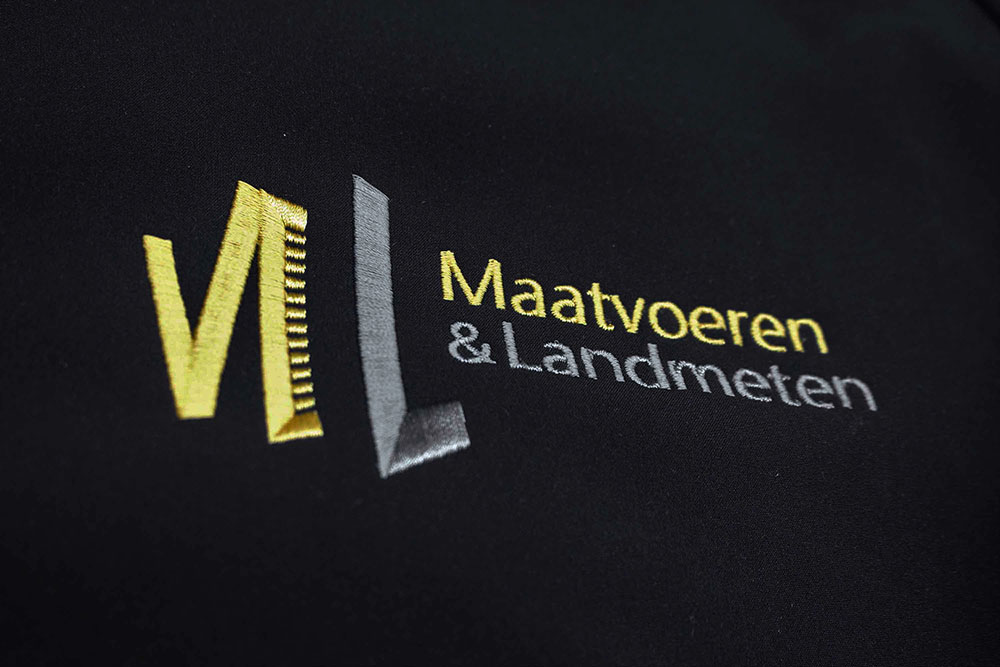
Detail Limitations: Embroidery cannot reproduce details as fine as printing. Small text or very thin lines can be difficult to read.
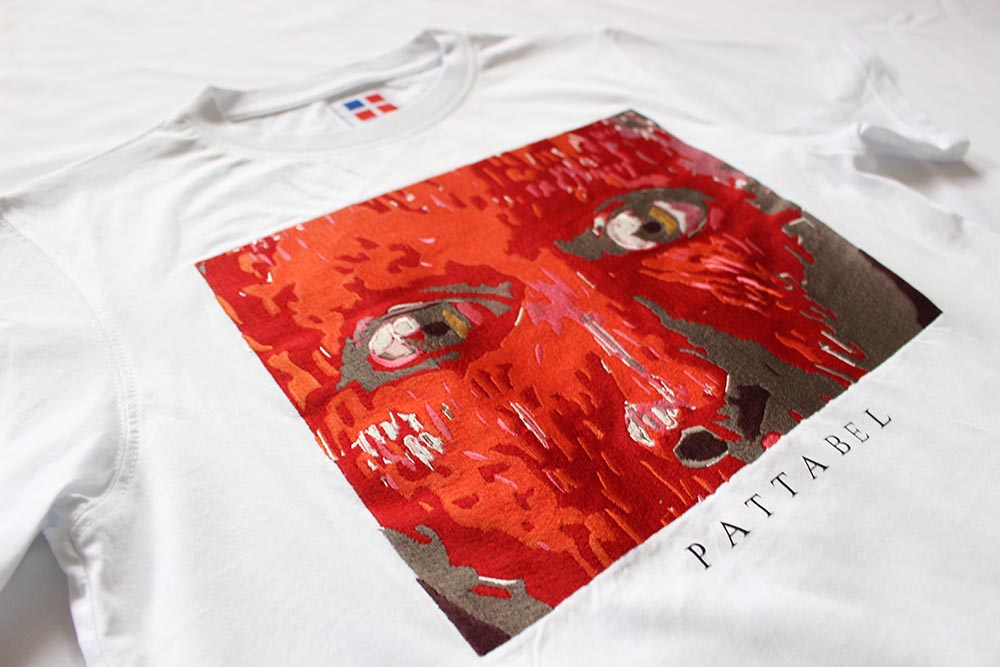
No Gradients: It is impossible to reproduce fluid color gradients or photographs (unlike DTG, DTF, or sublimation).
The Main Types of Embroidery
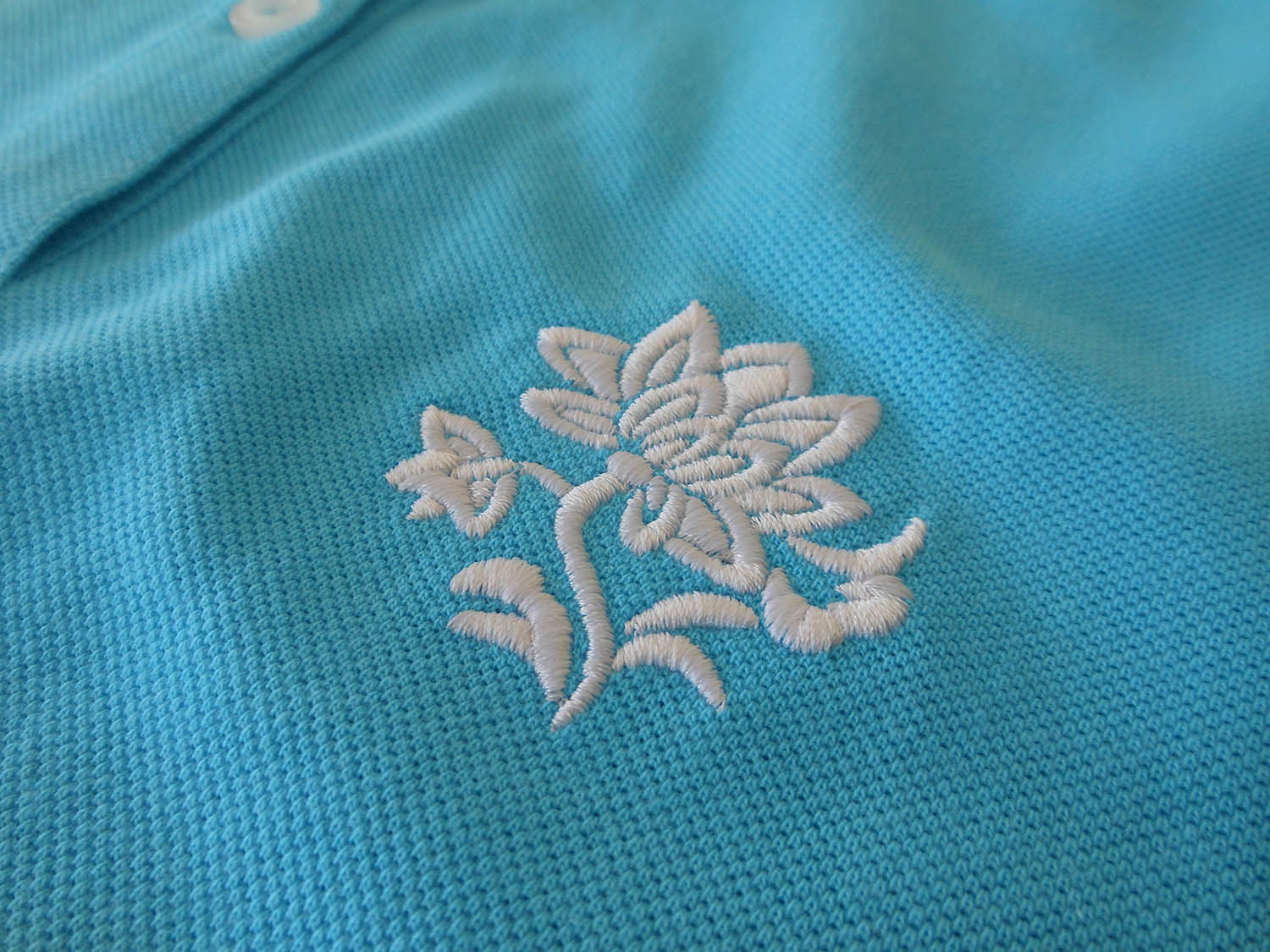
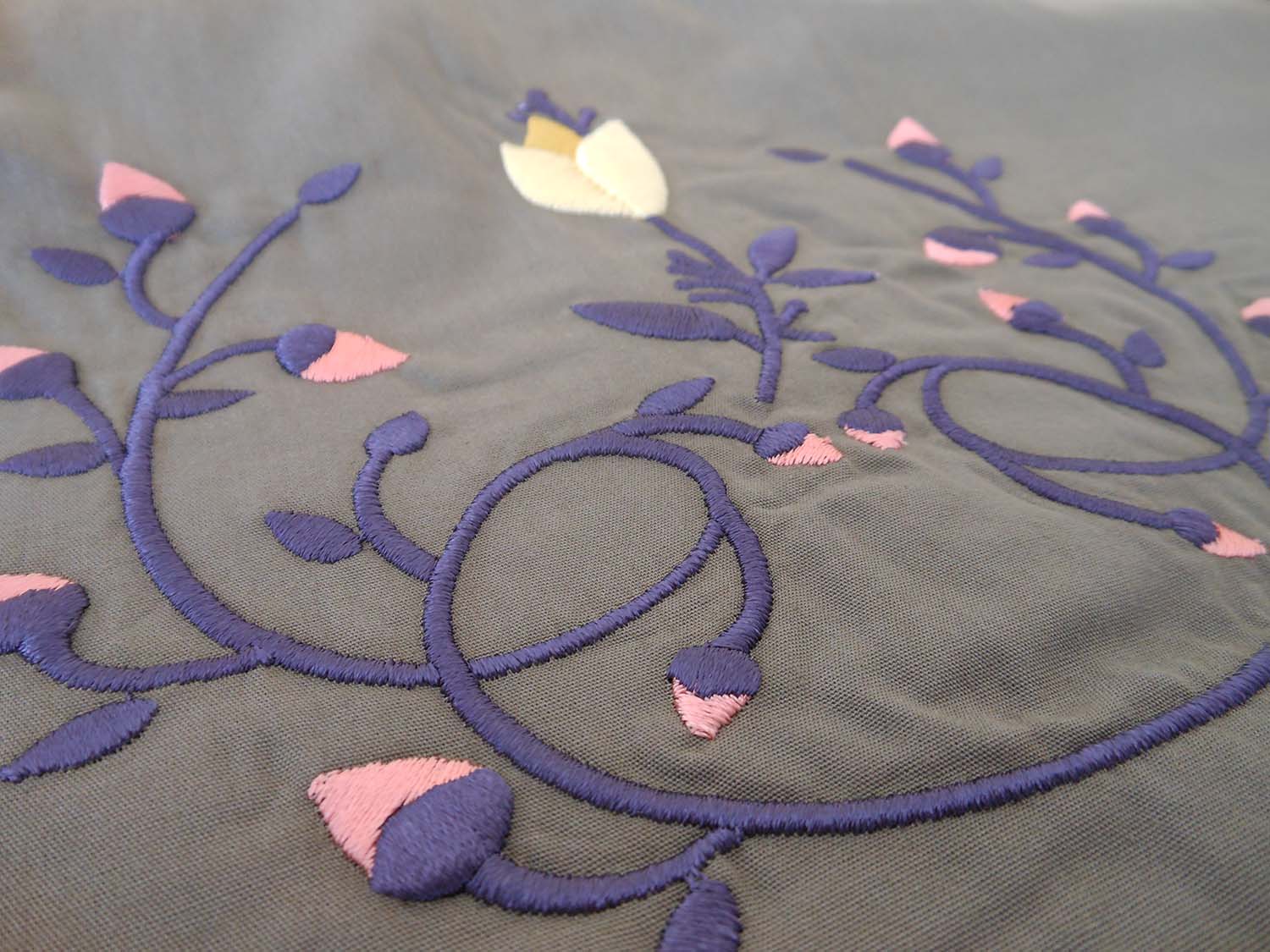
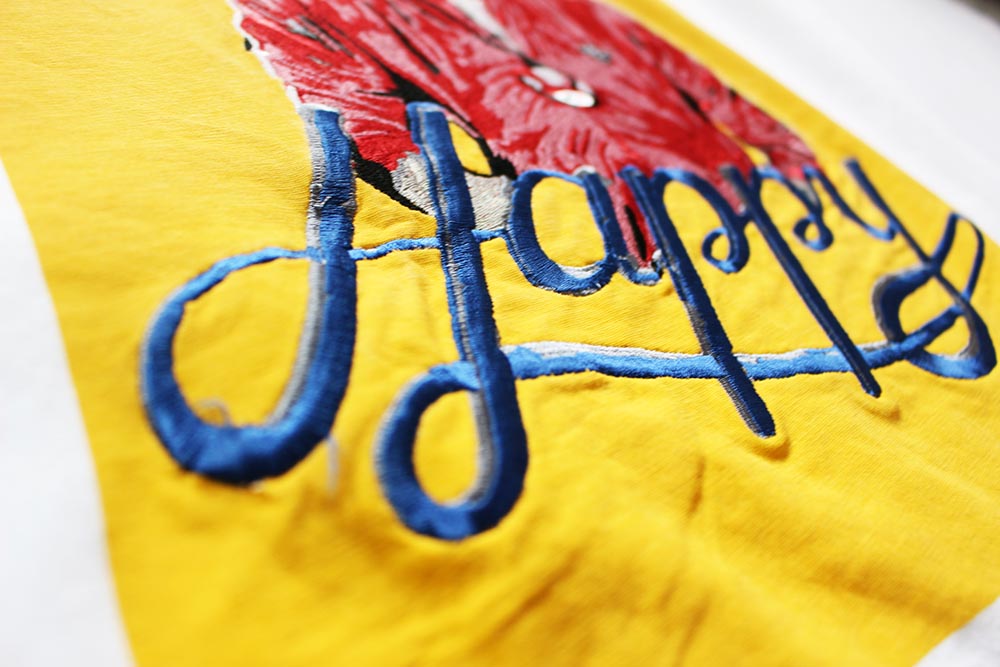
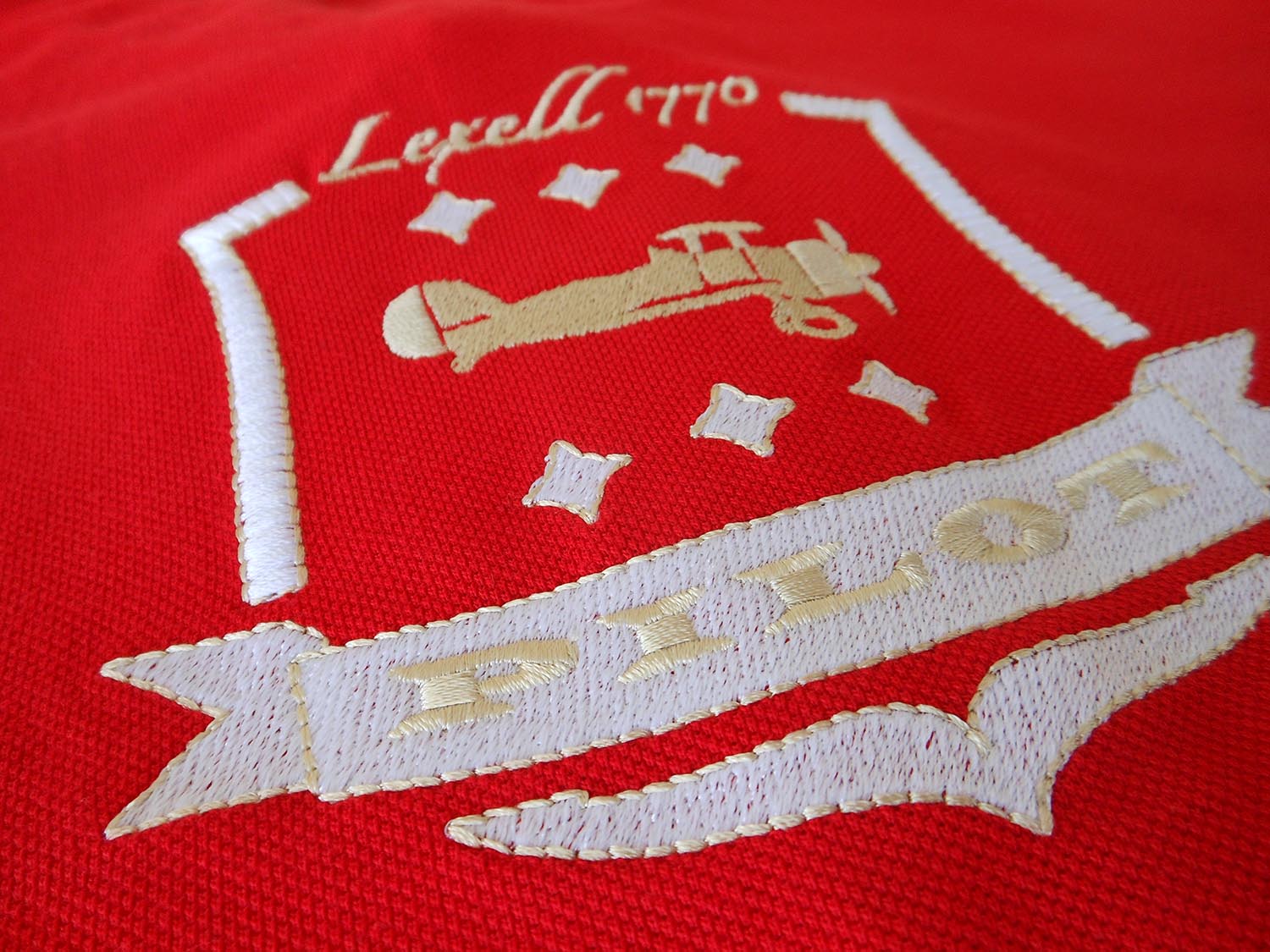
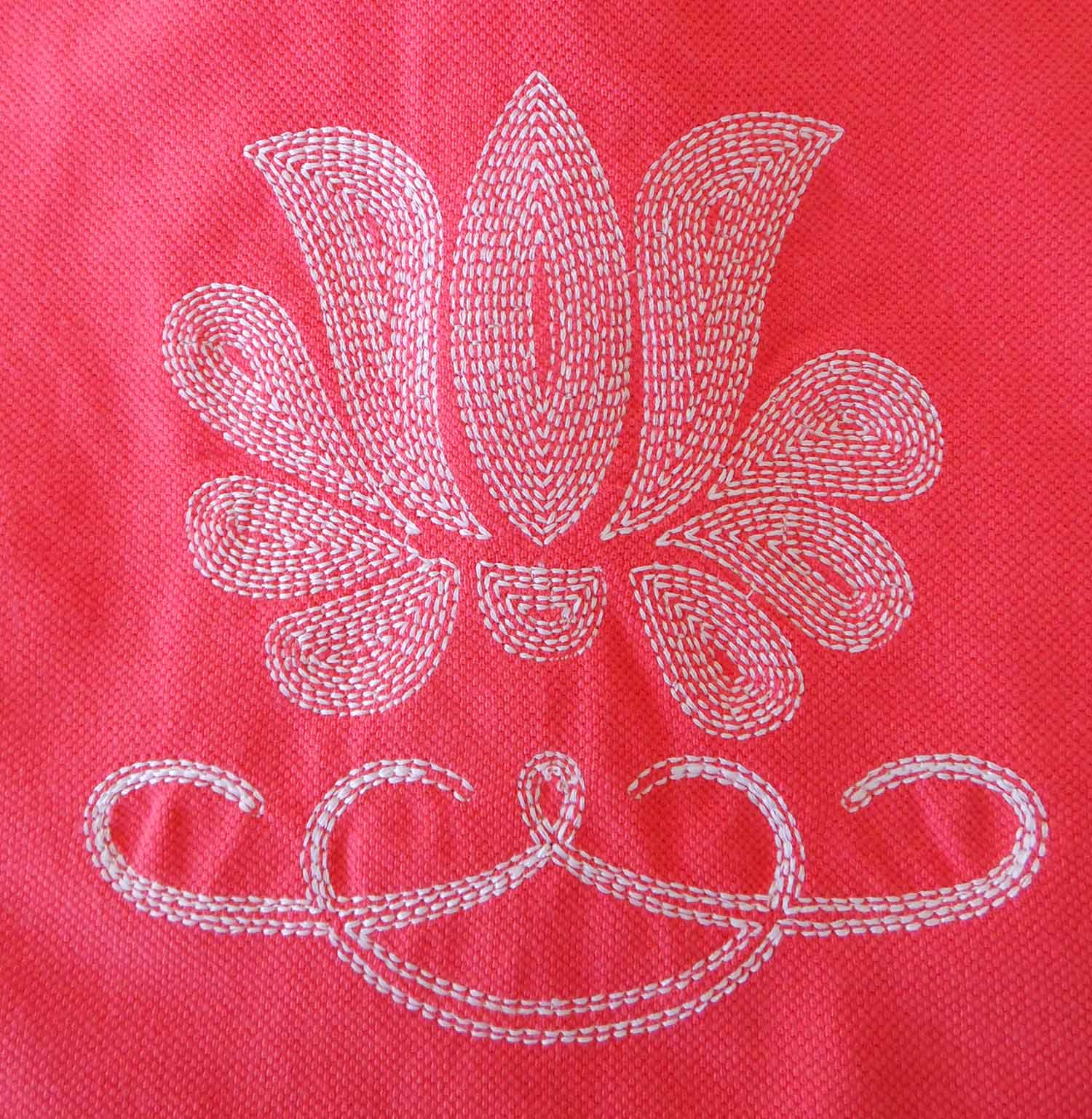
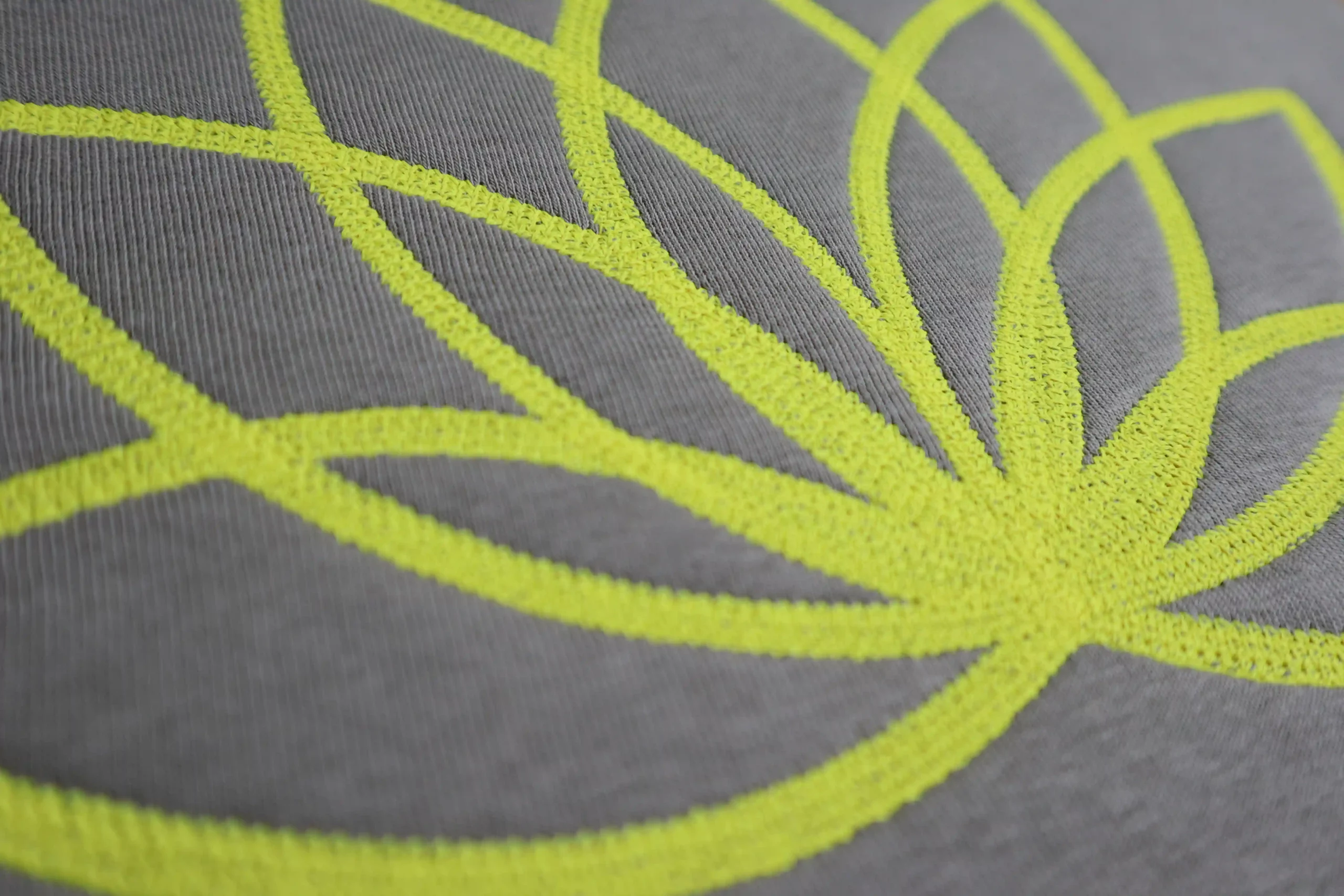
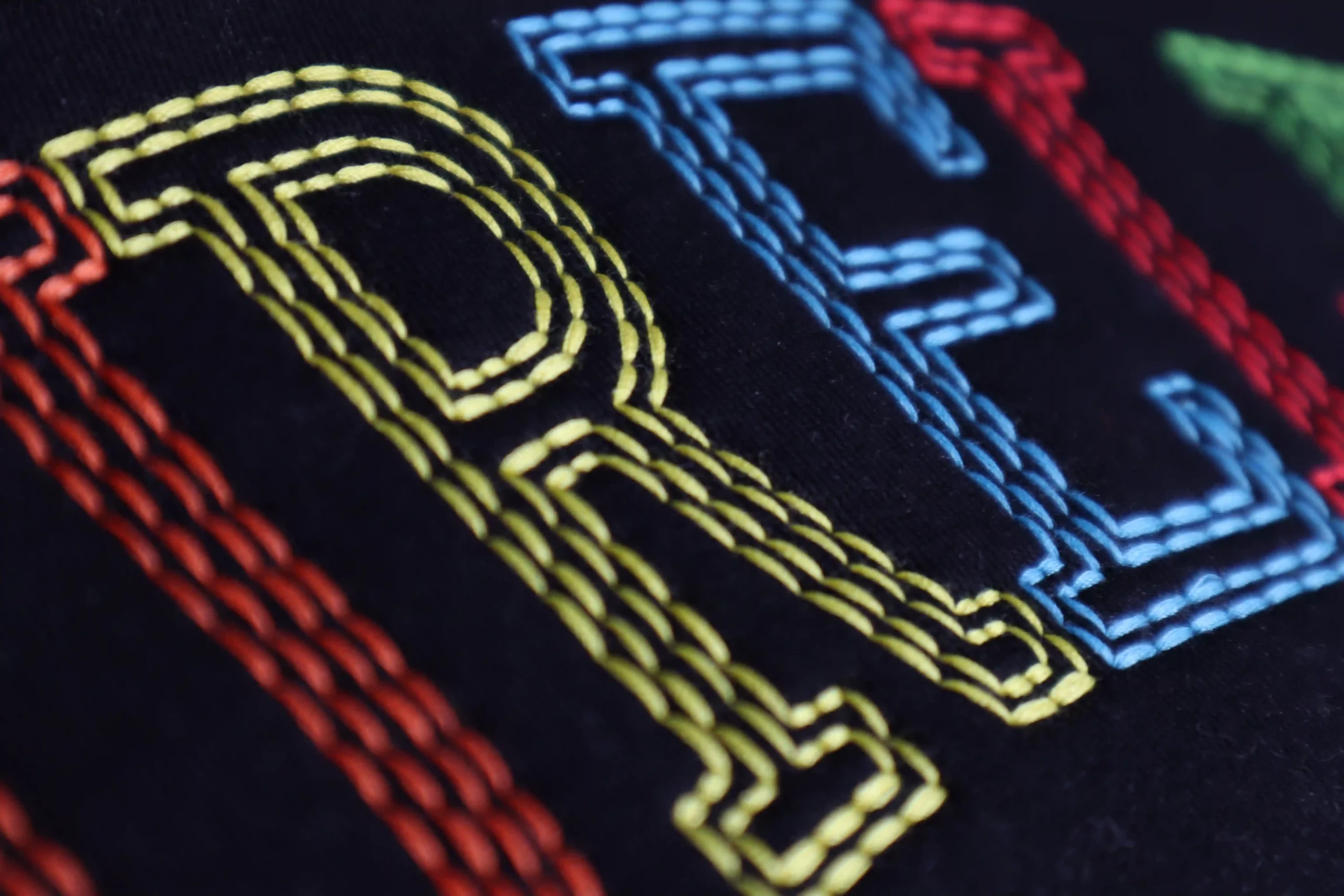
Flat Embroidery (Classic): The standard technique that primarily uses “Tatami stitches” (fill stitches) to cover large areas.
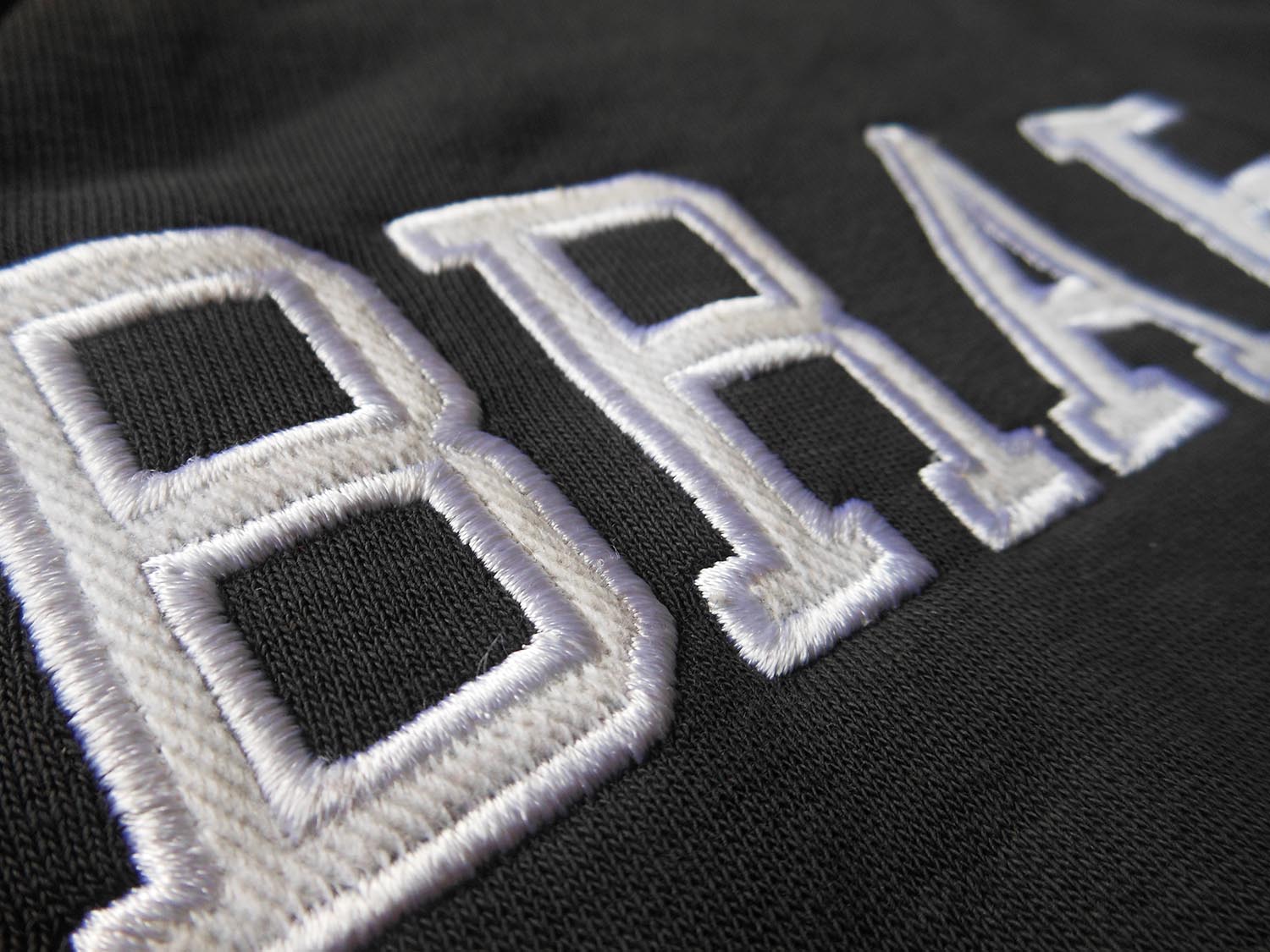
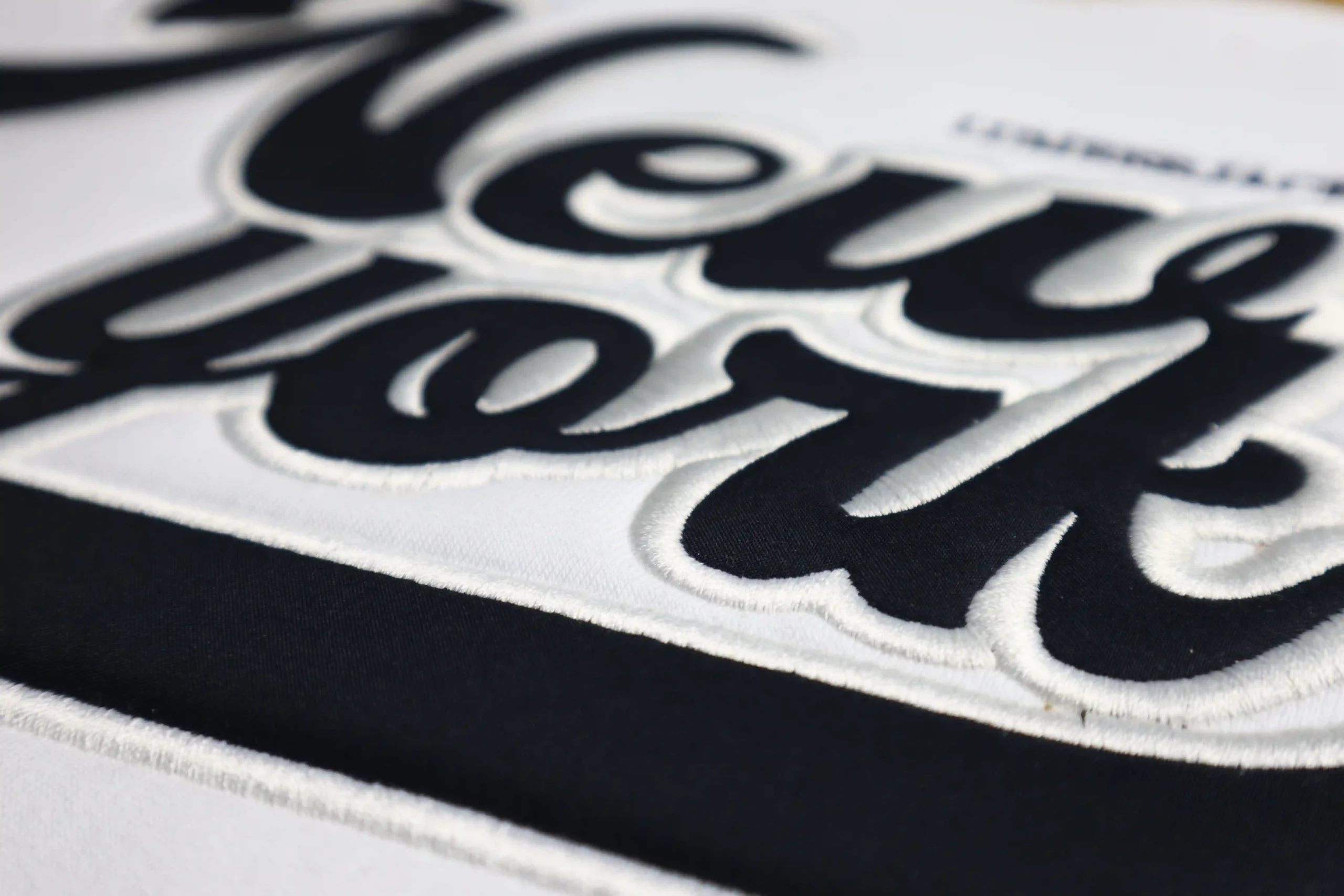
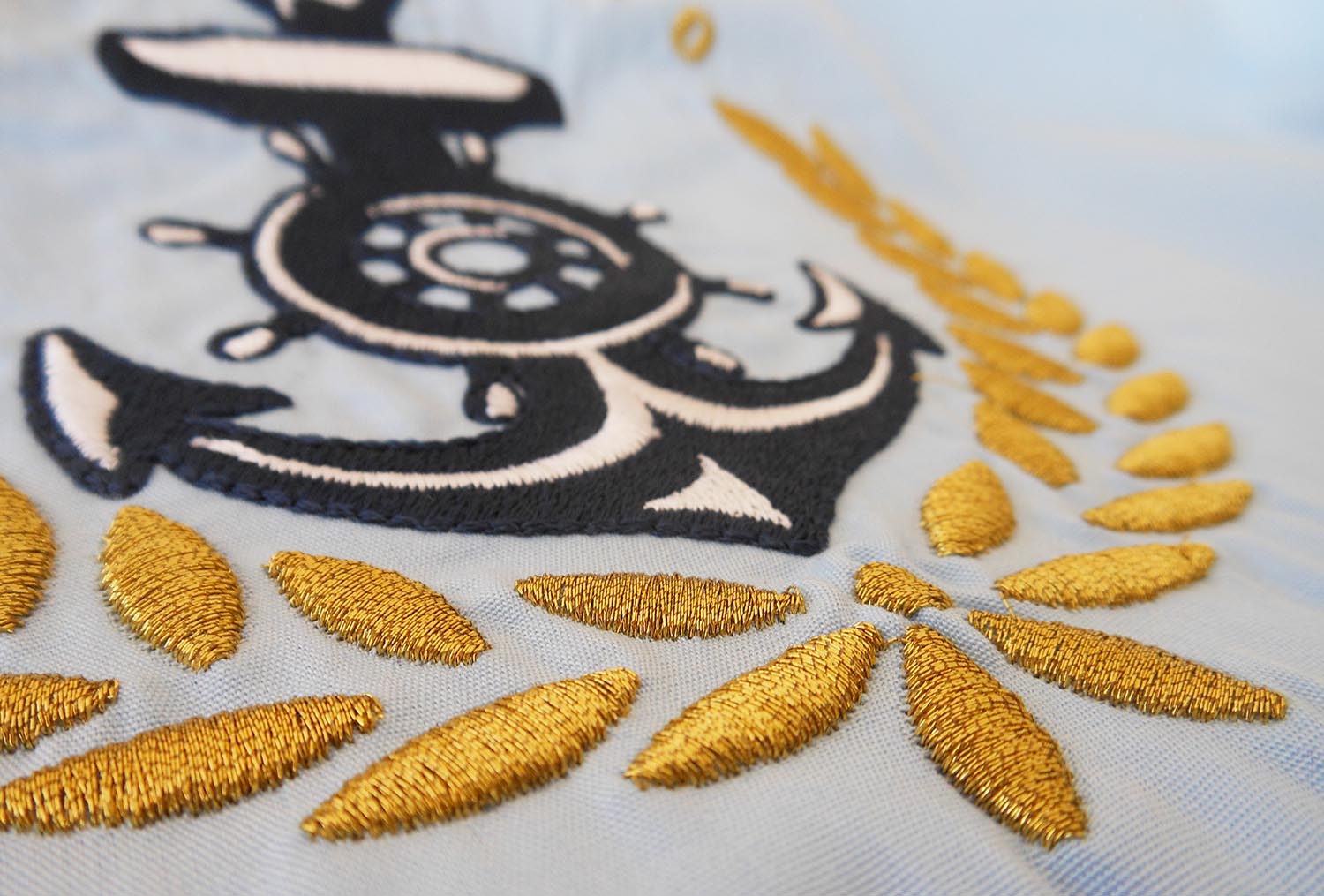
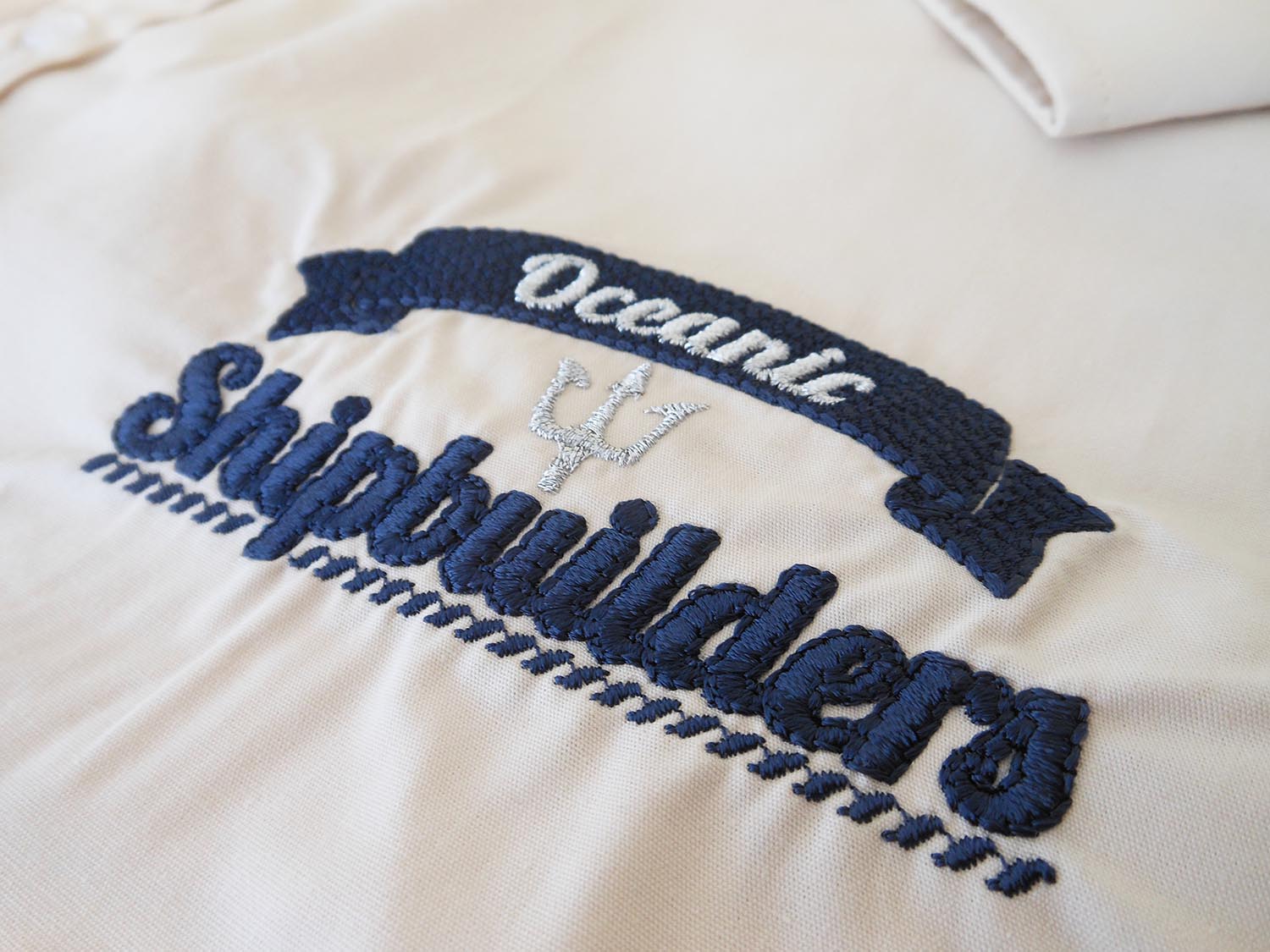
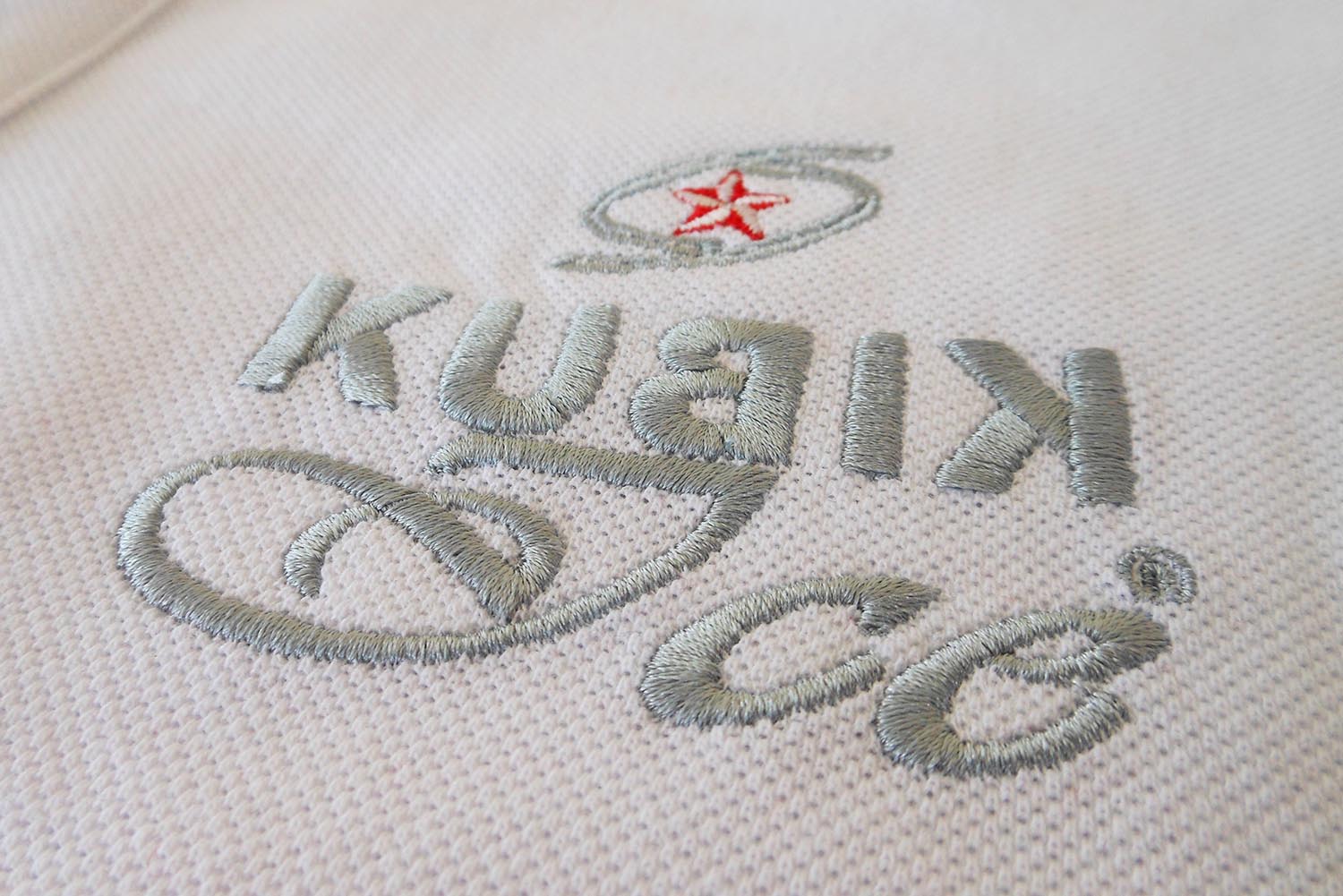
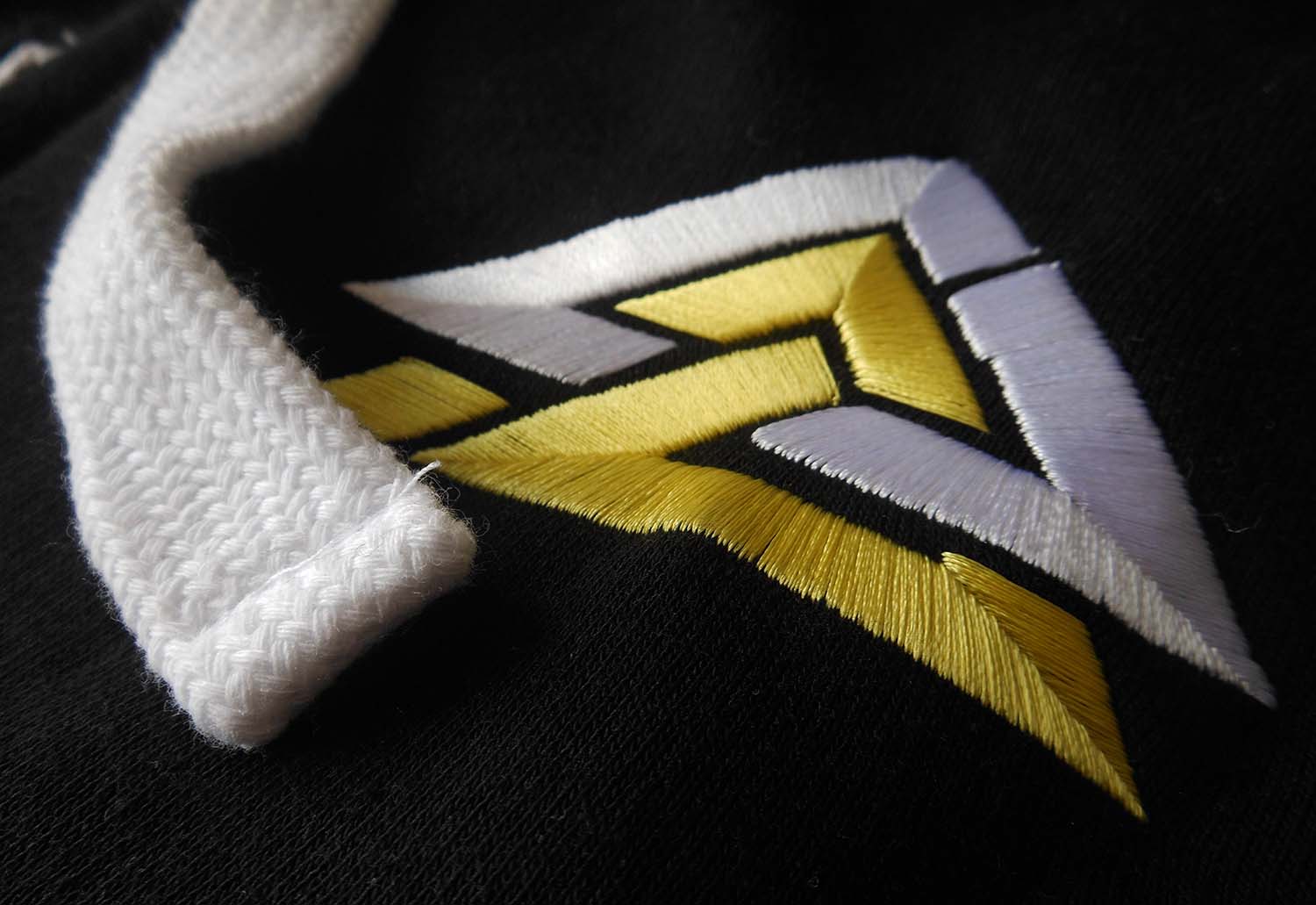
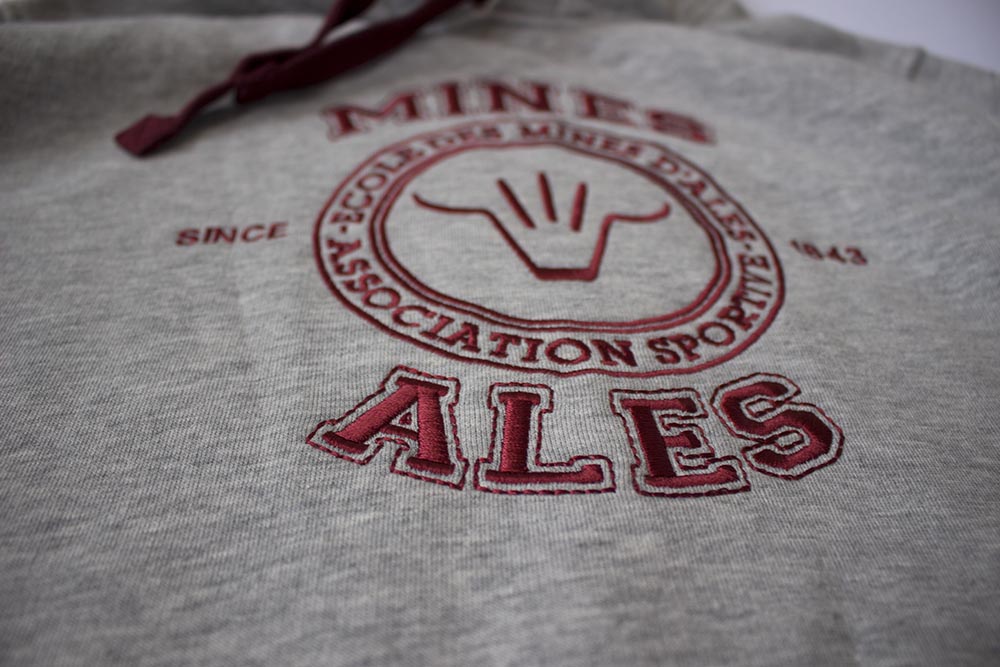
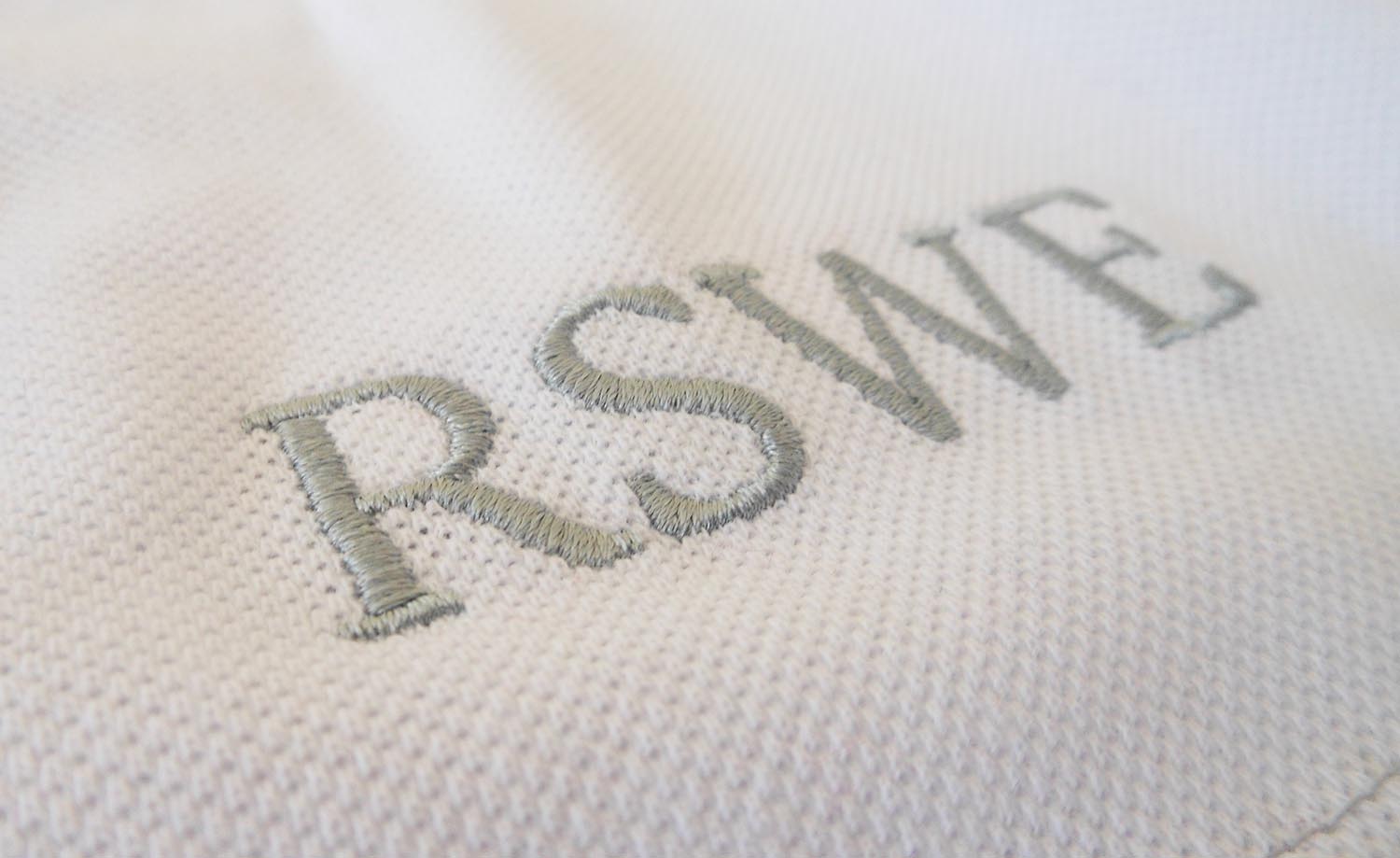
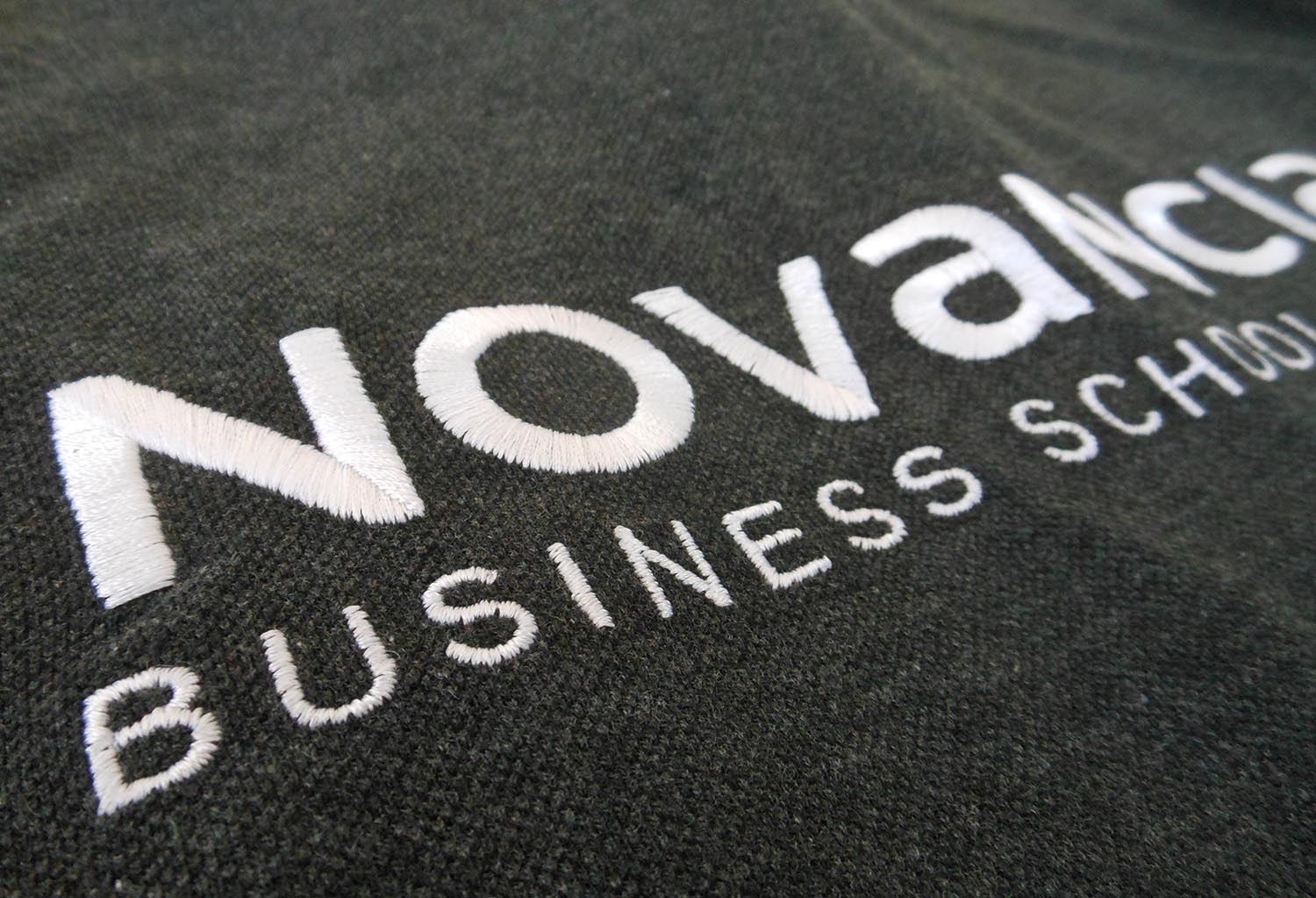
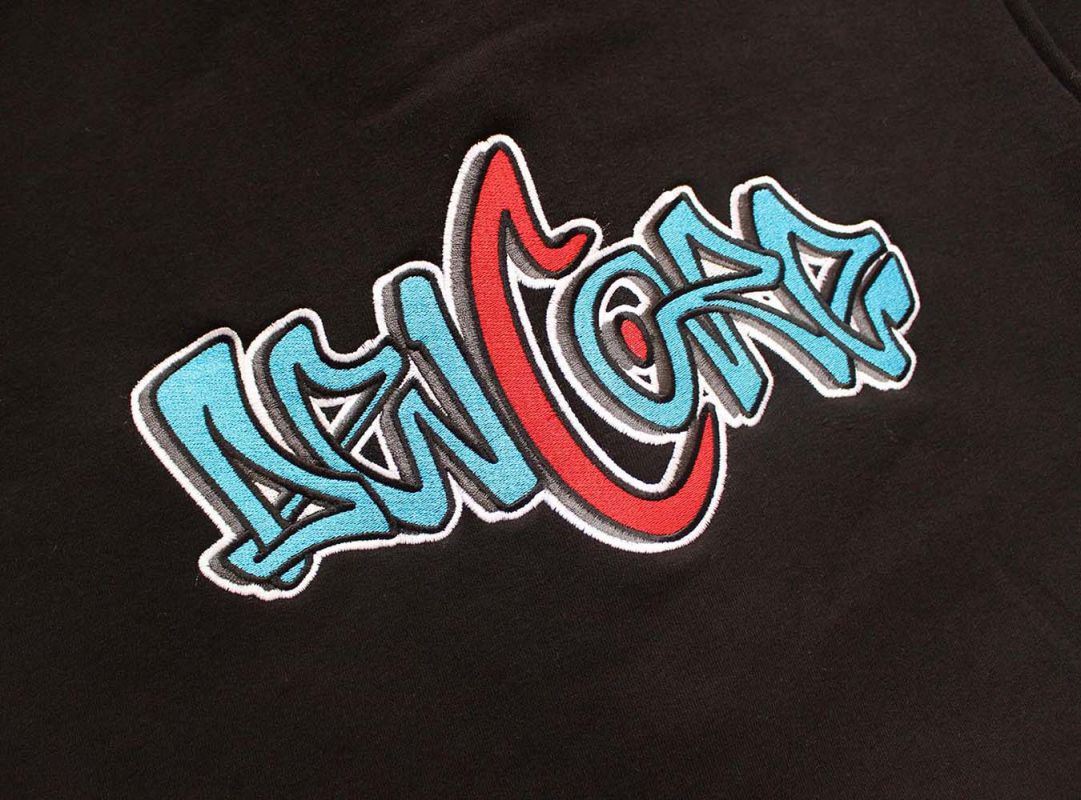
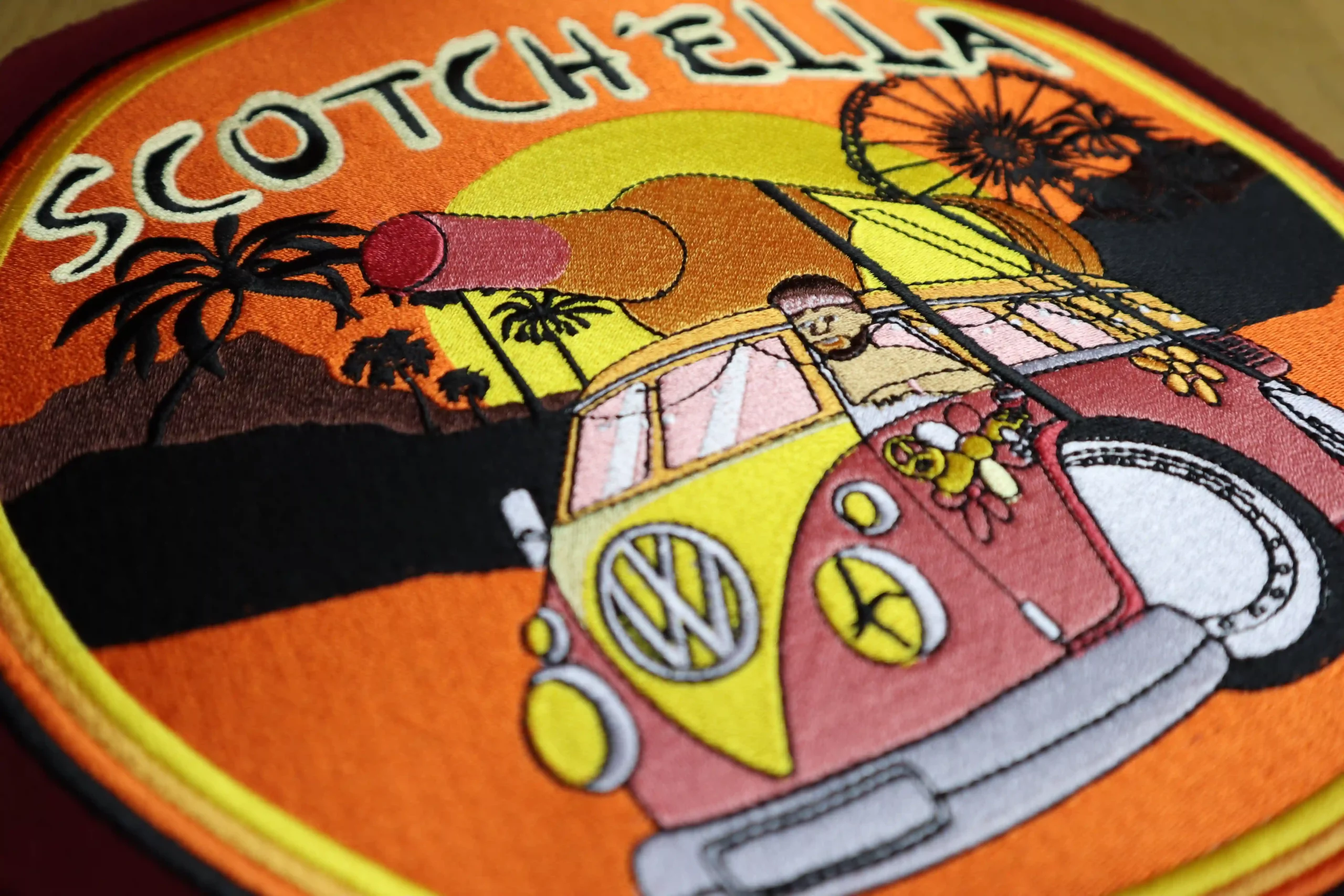
Satin Stitch (Bourdon stitch): Less of a “type” and more of a fundamental stitch. The satin stitch consists of very tight, parallel zigzag stitches. It is used to create thick, clean outlines, lettering (the gold standard for text), and to fill small shapes. It provides a defined, smooth, and slightly shiny look. It is also used to finish patch borders.
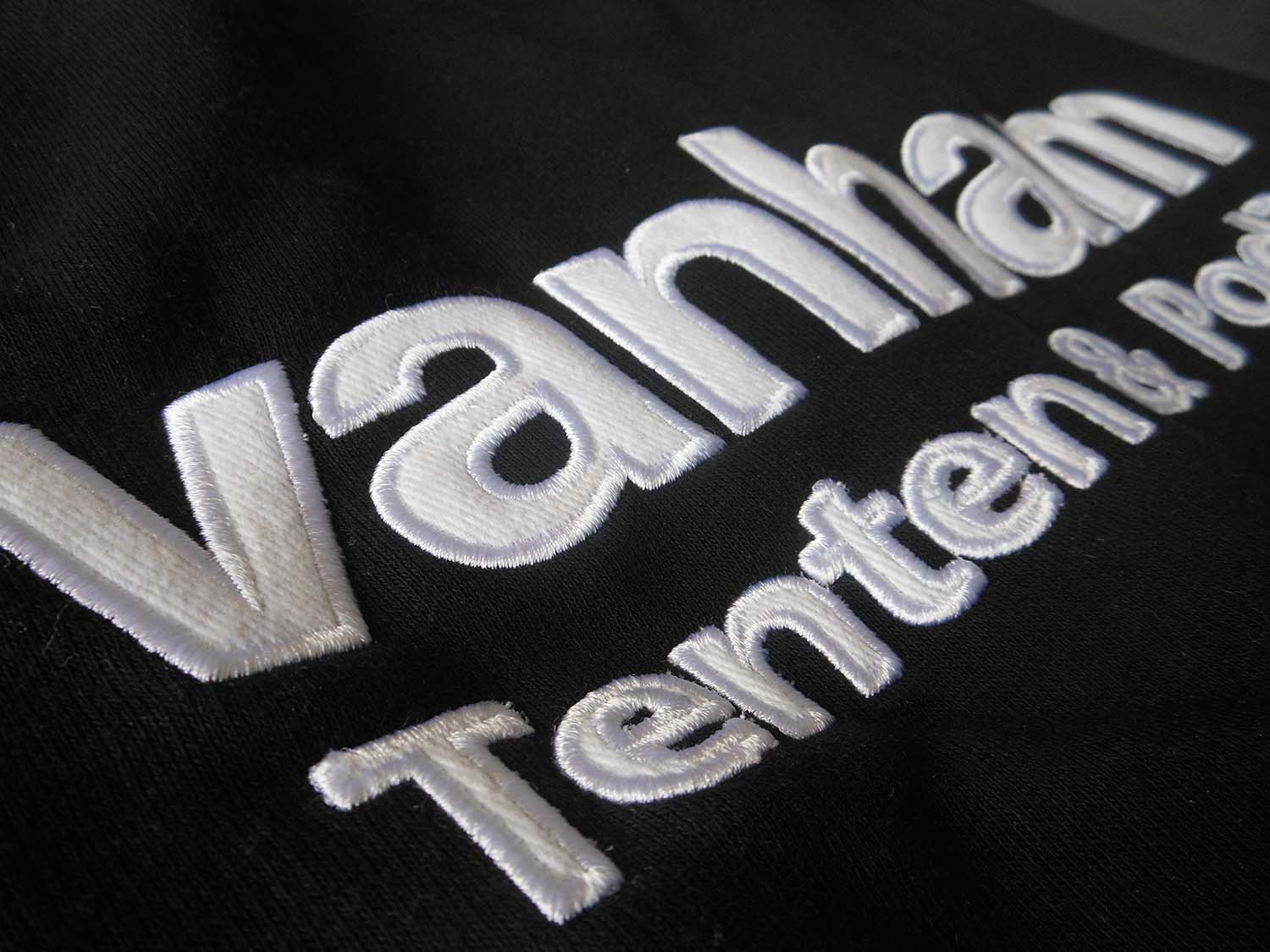
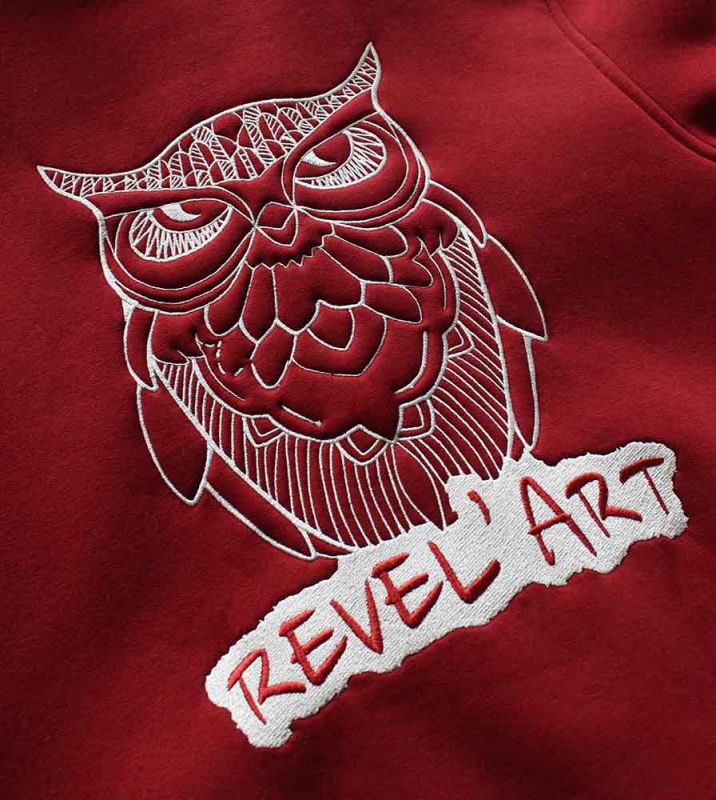
3D Puff Embroidery: Before embroidering (usually with a dense satin stitch), a piece of special foam is placed on the fabric. The machine stitches over the foam. The excess is then removed, leaving a hard, highly pronounced 3D logo.
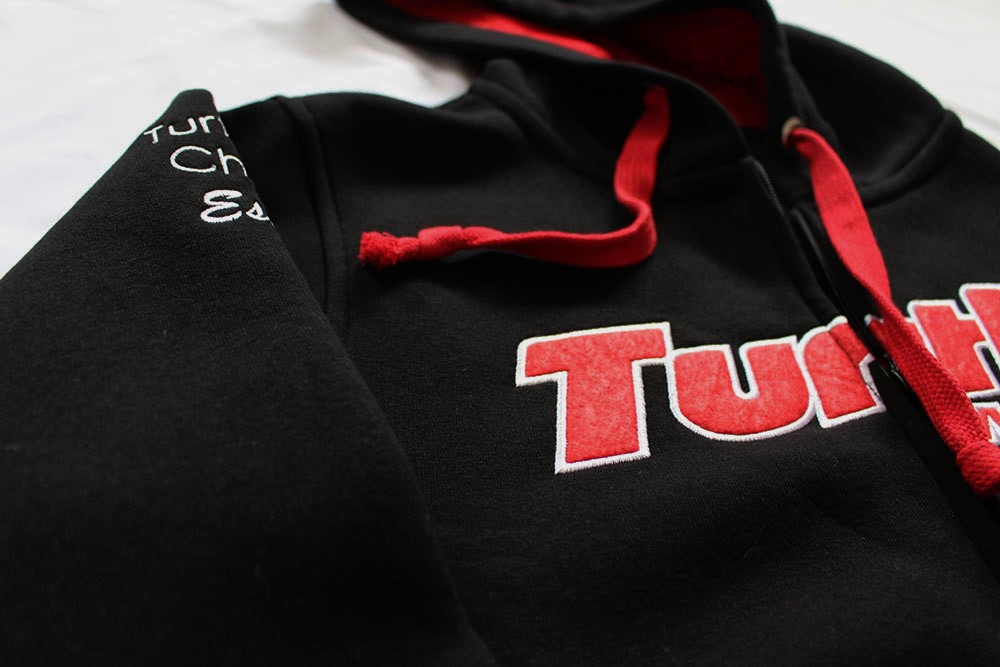
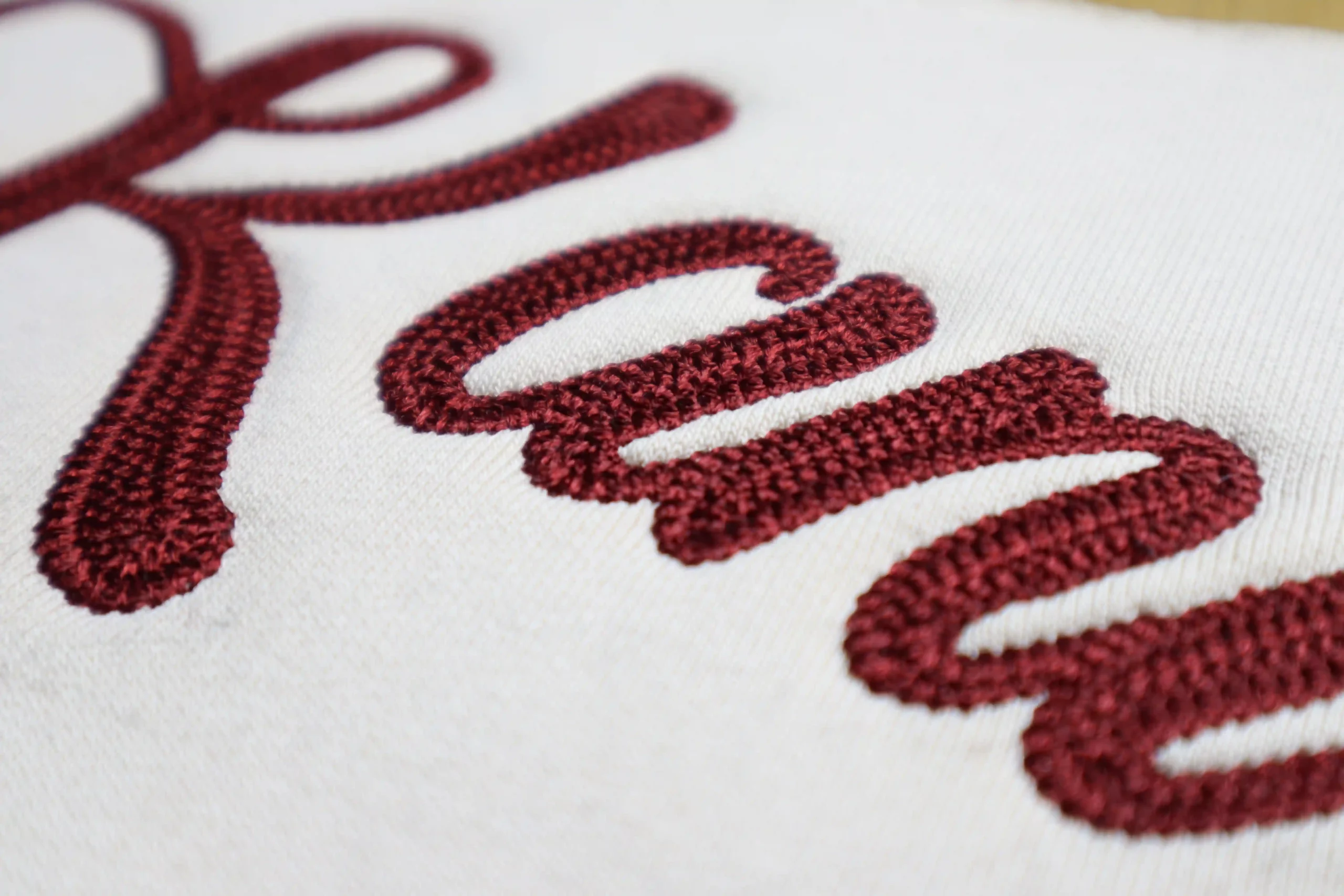
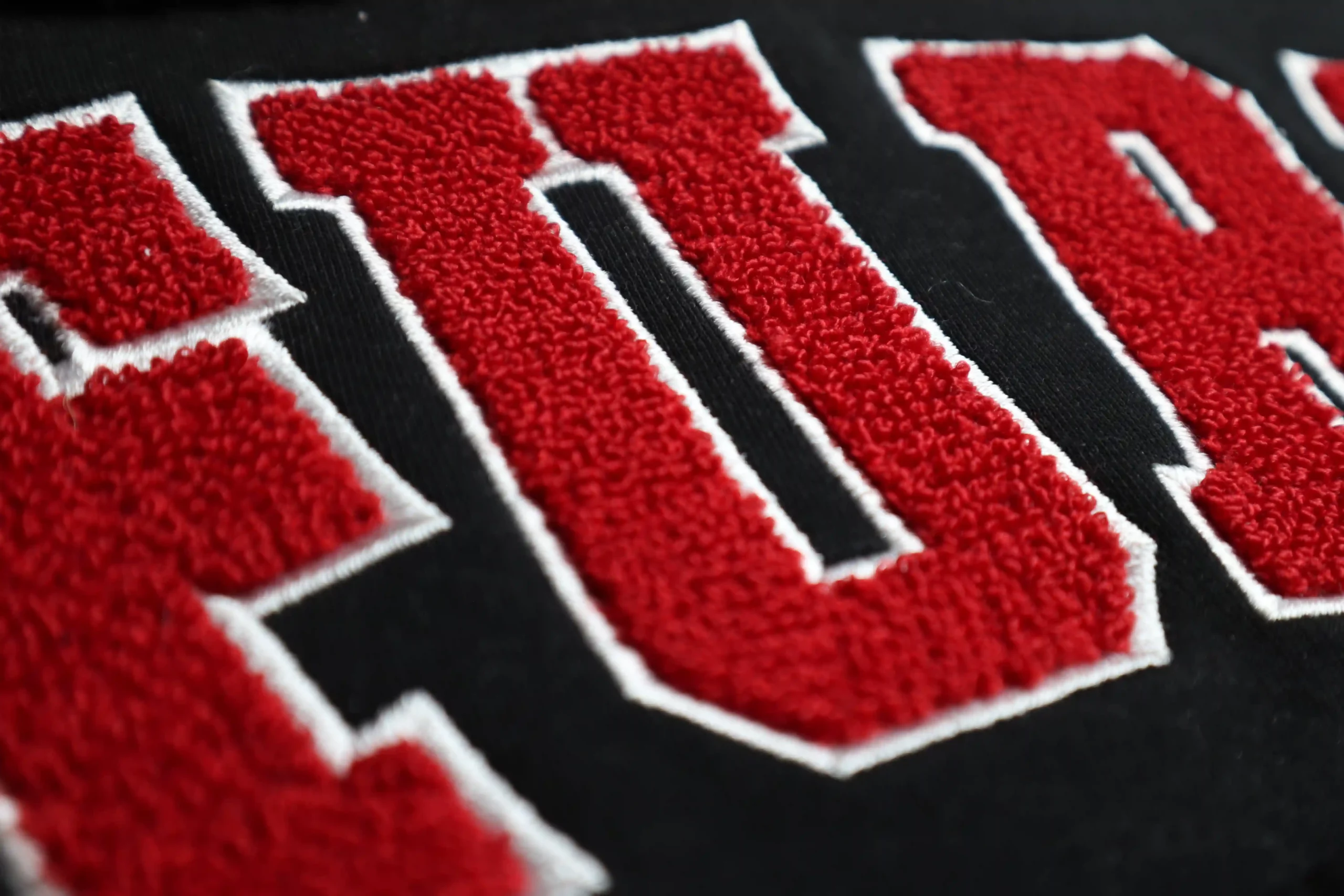
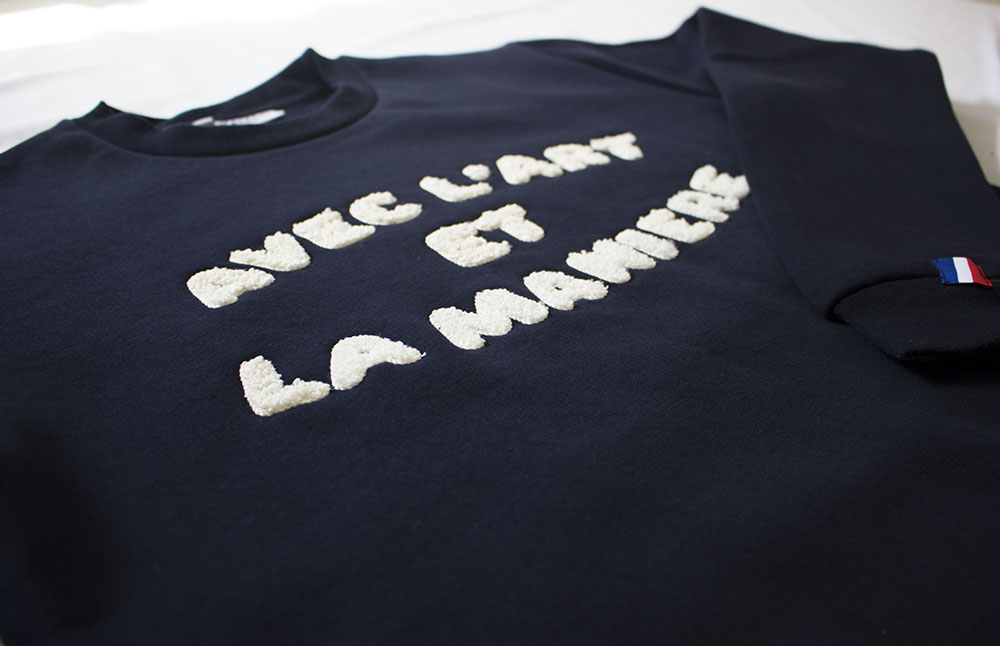
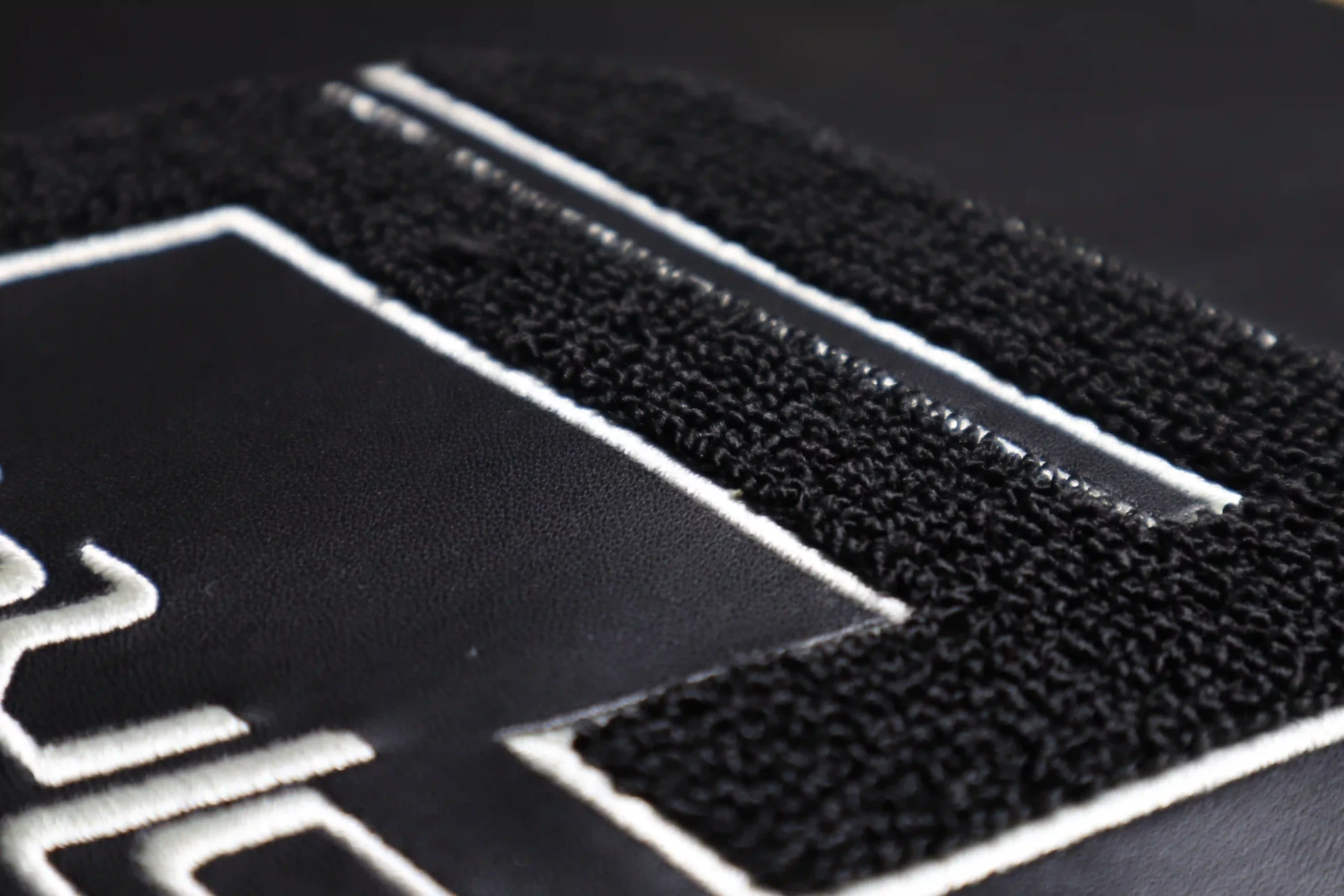
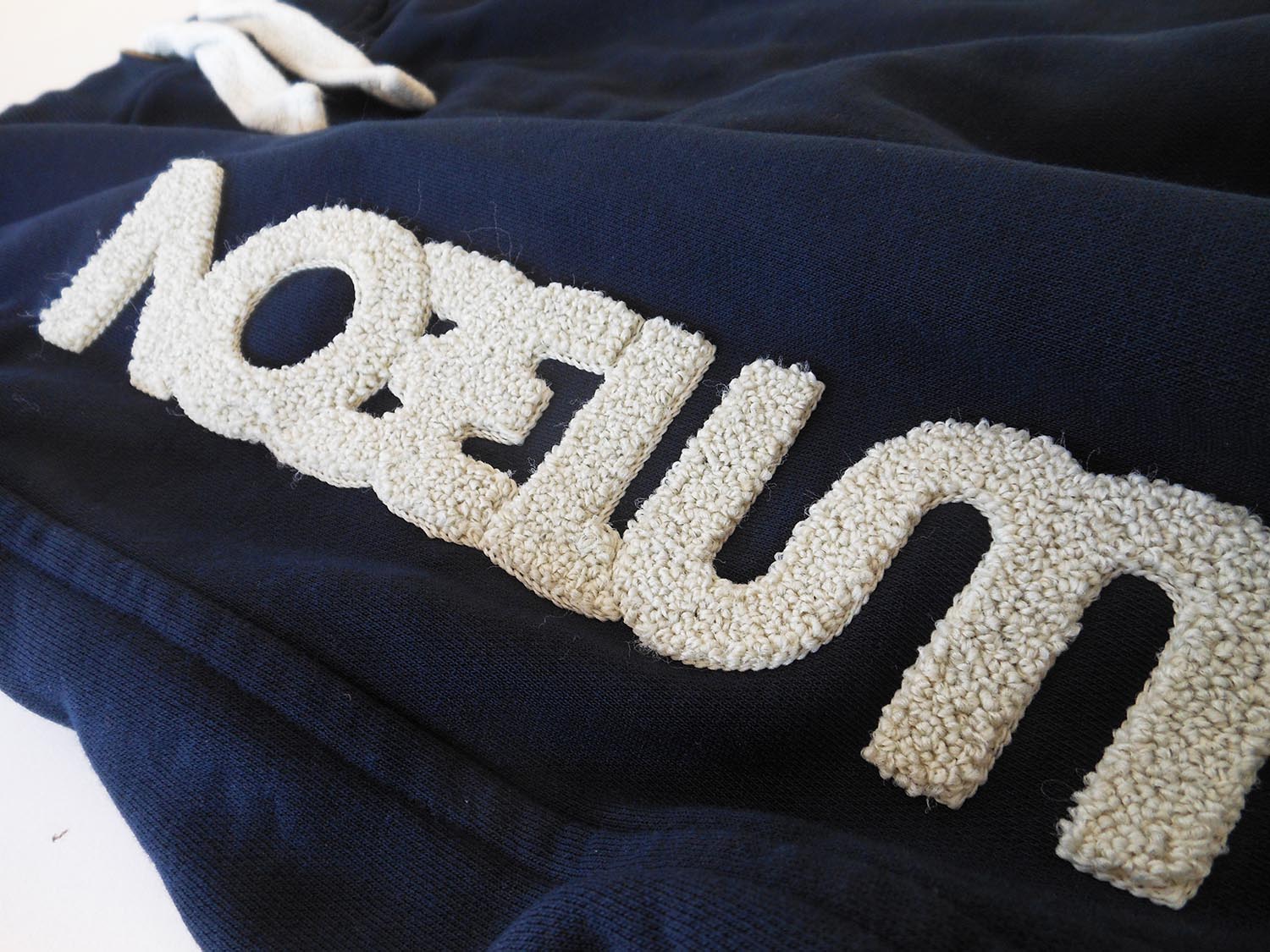
Chenille (Loop) Embroidery: This technique uses thicker yarn and a special needle to form small loops on the fabric surface, creating a “towel” or “carpet” texture. This is the typical “Varsity” style found on American letterman jackets.
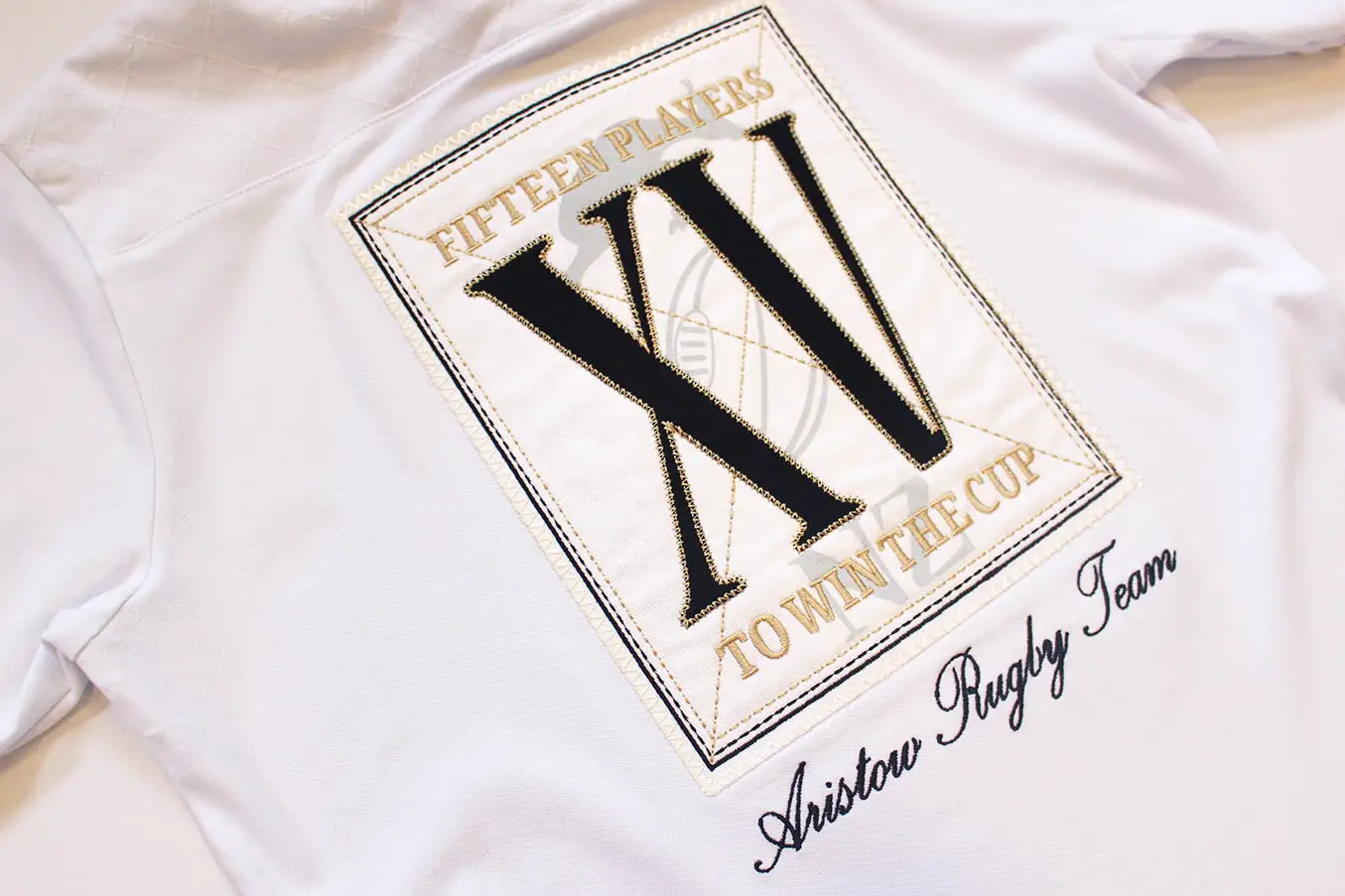
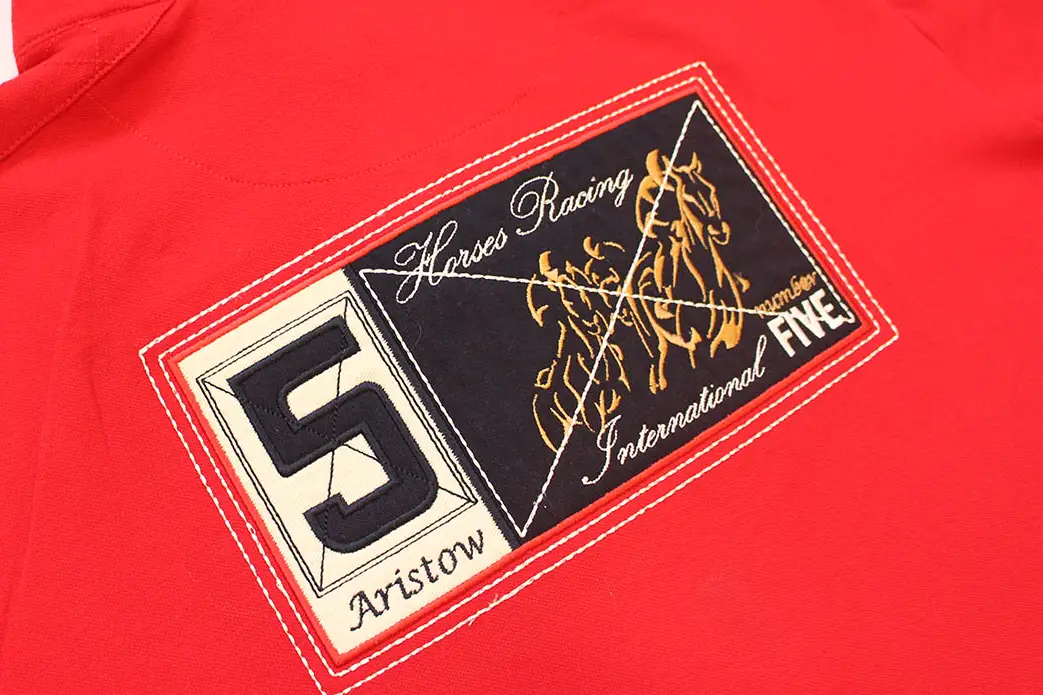
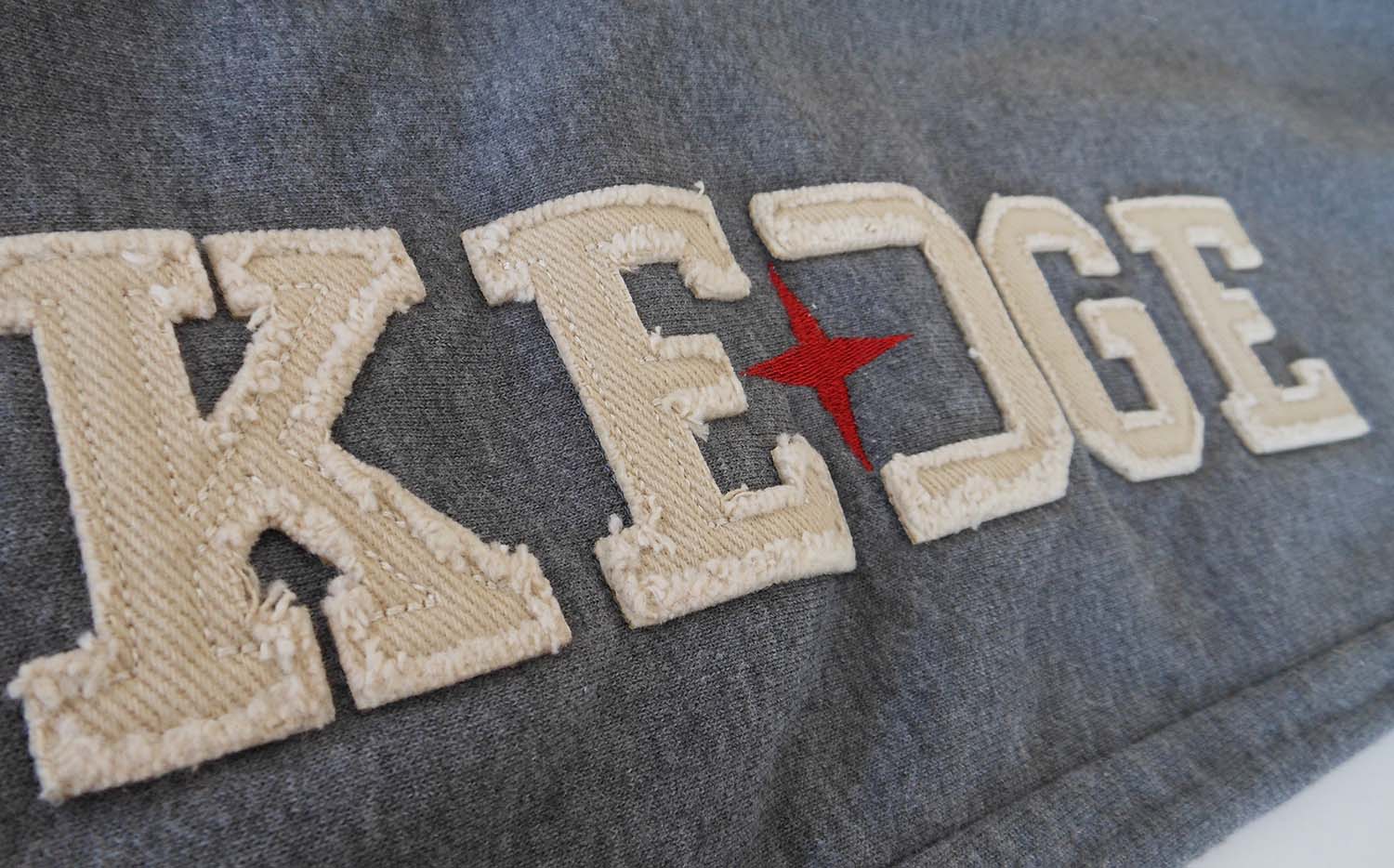
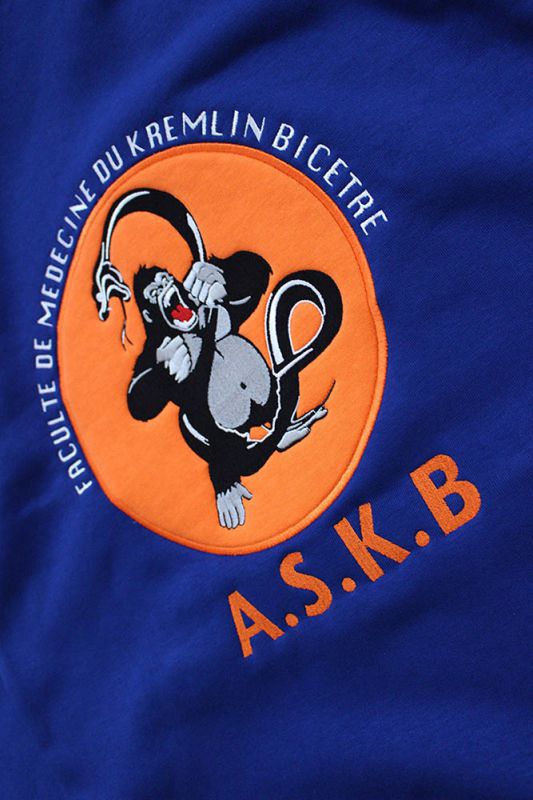
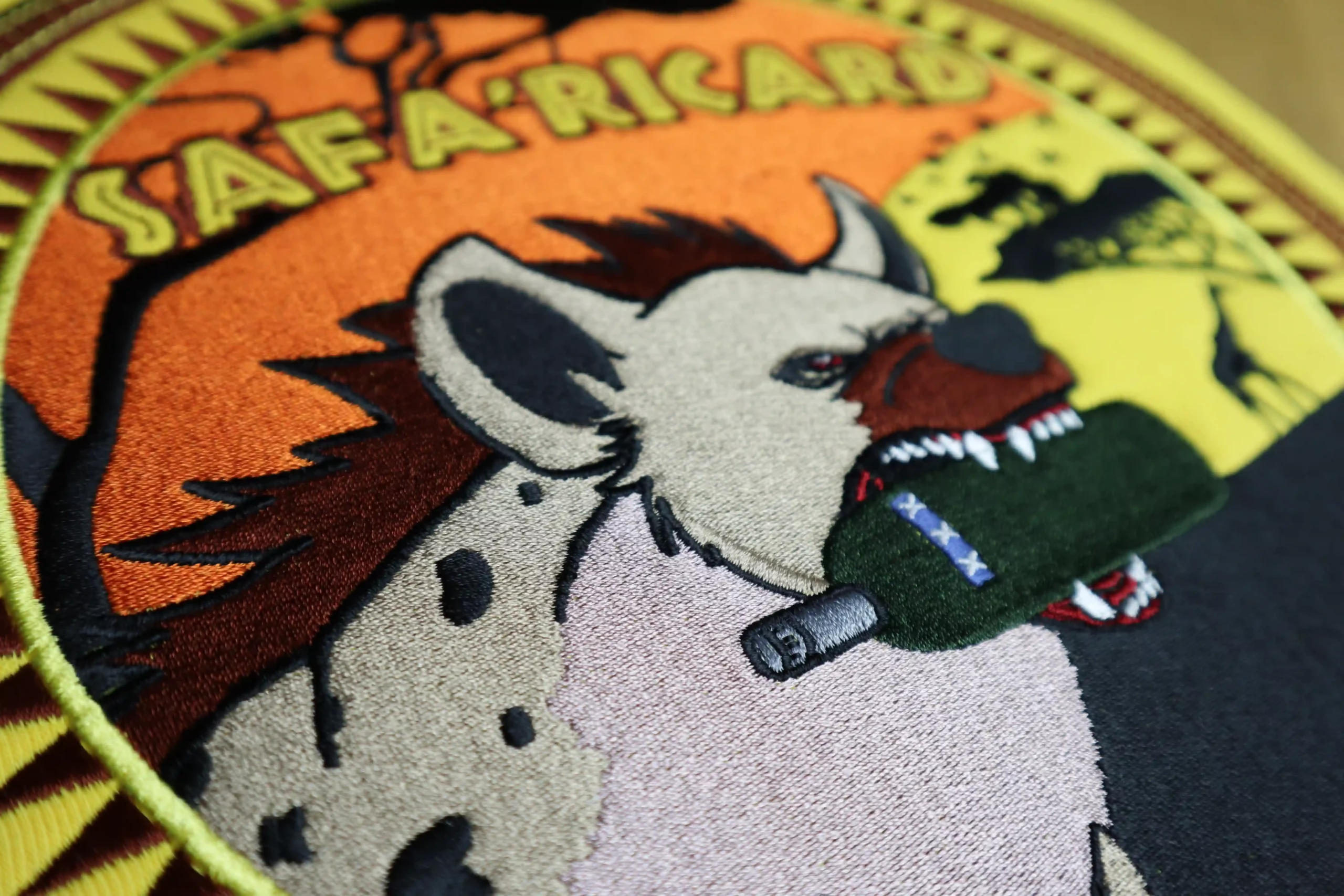
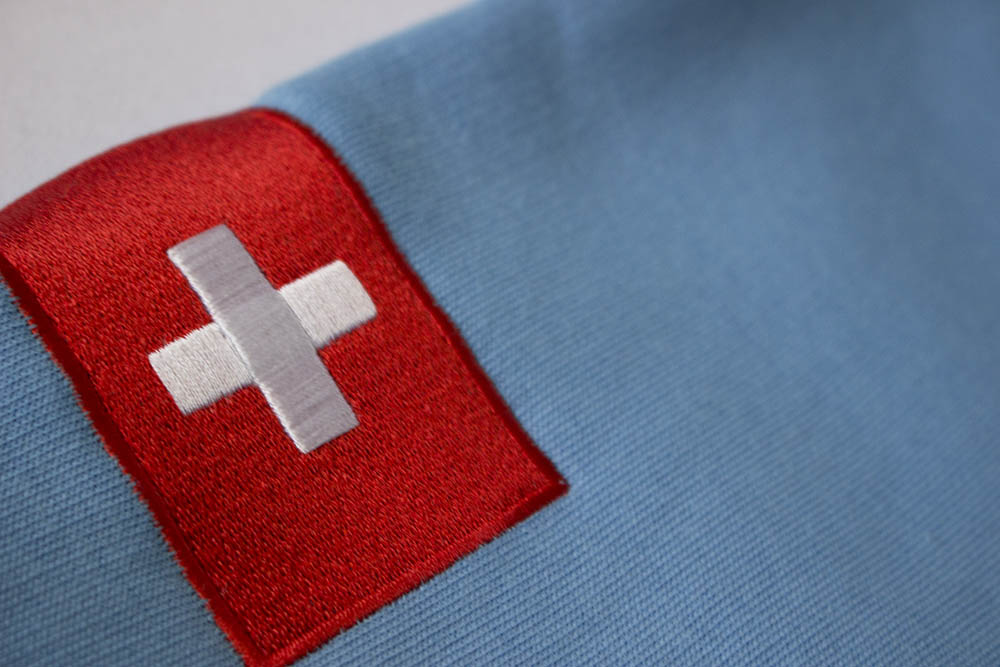
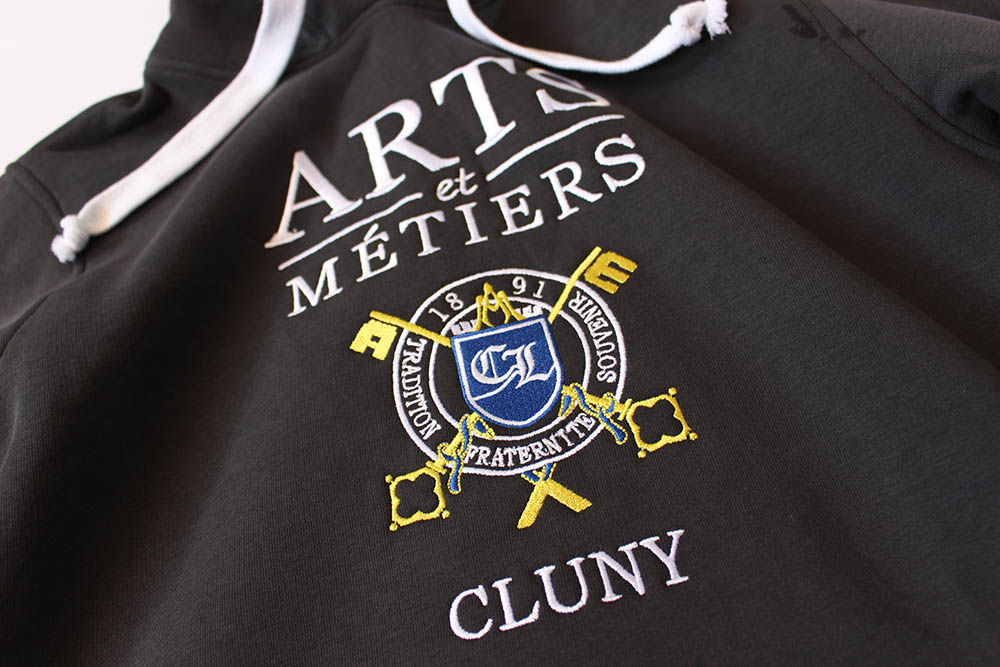
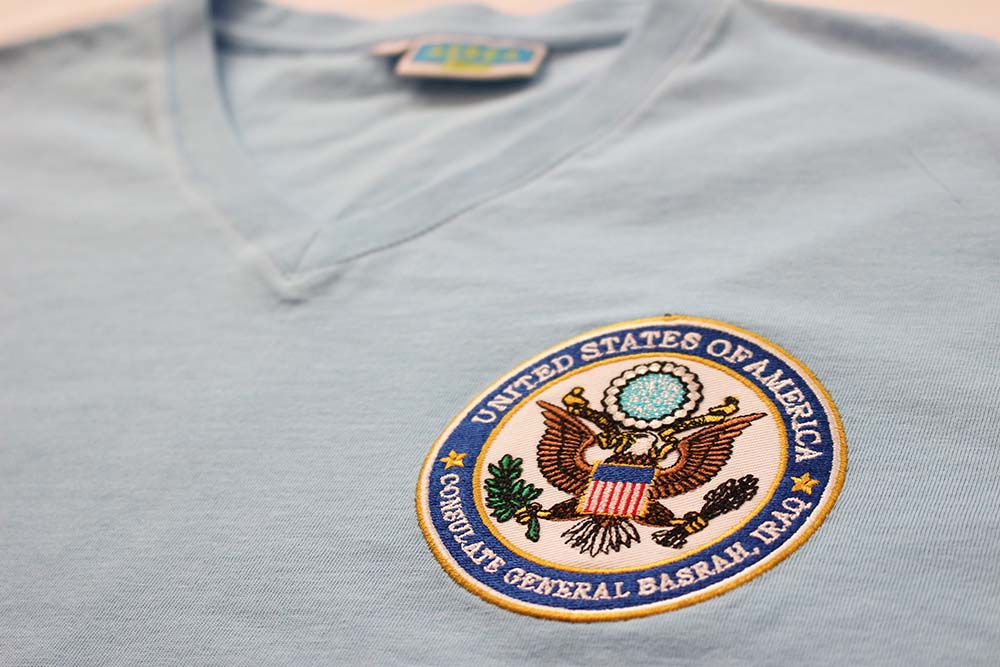
Patches (Badges): Technically not direct embroidery. The design is embroidered onto a separate piece of fabric, the edges of which are finished (usually with a satin stitch) to create a clean border. This patch is then sewn or heat-sealed onto the final garment.
Applique
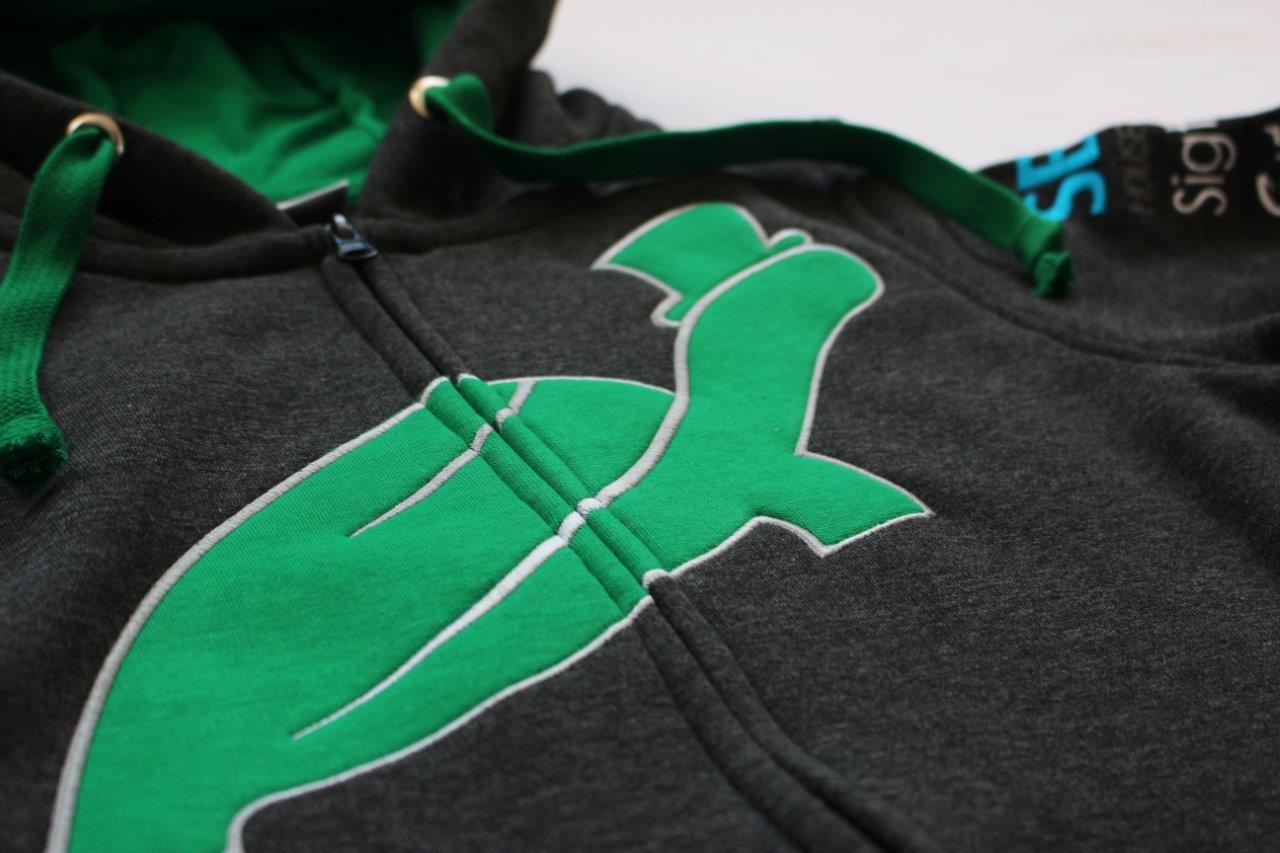
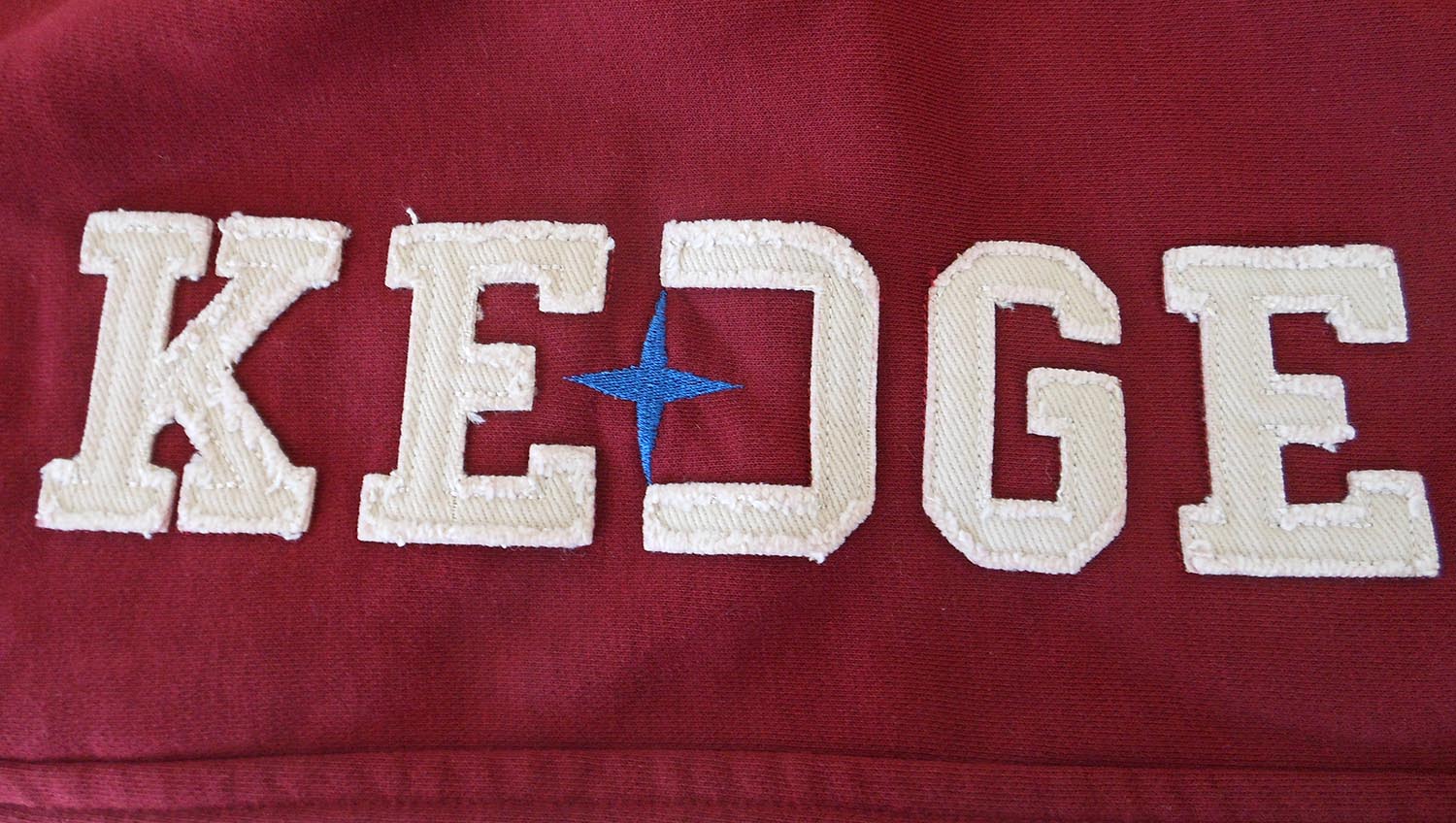
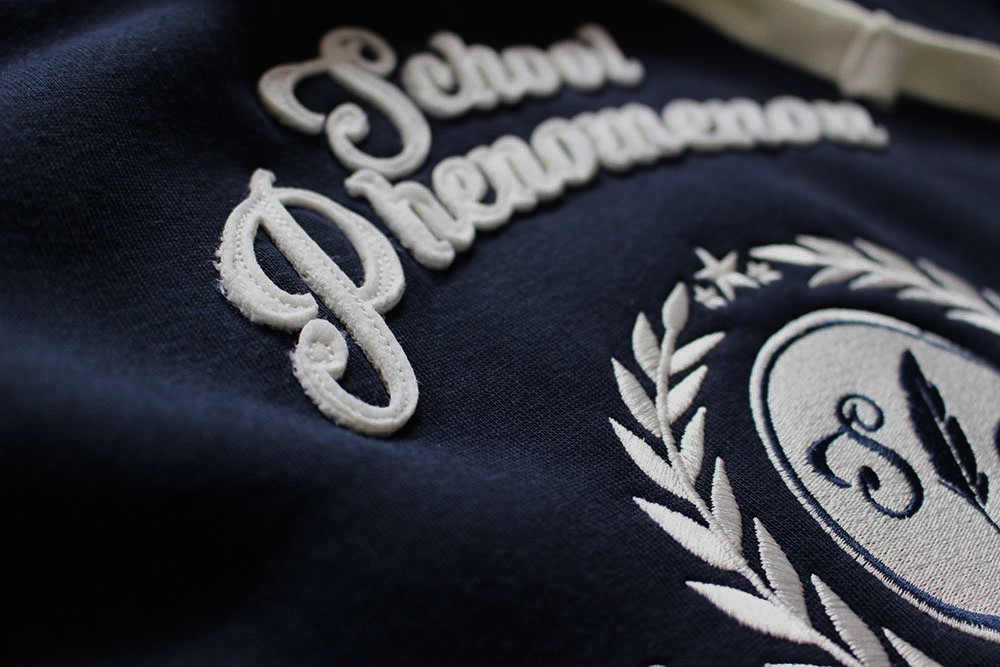
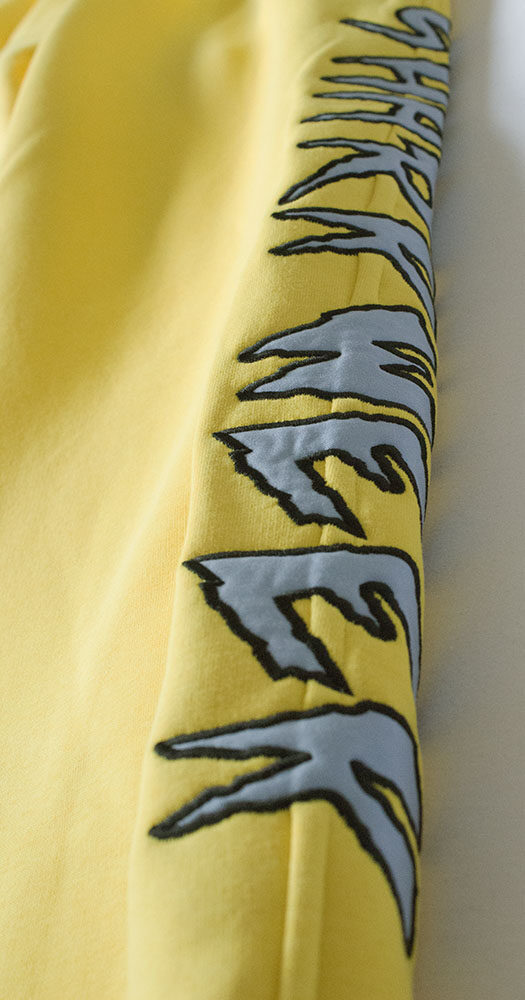
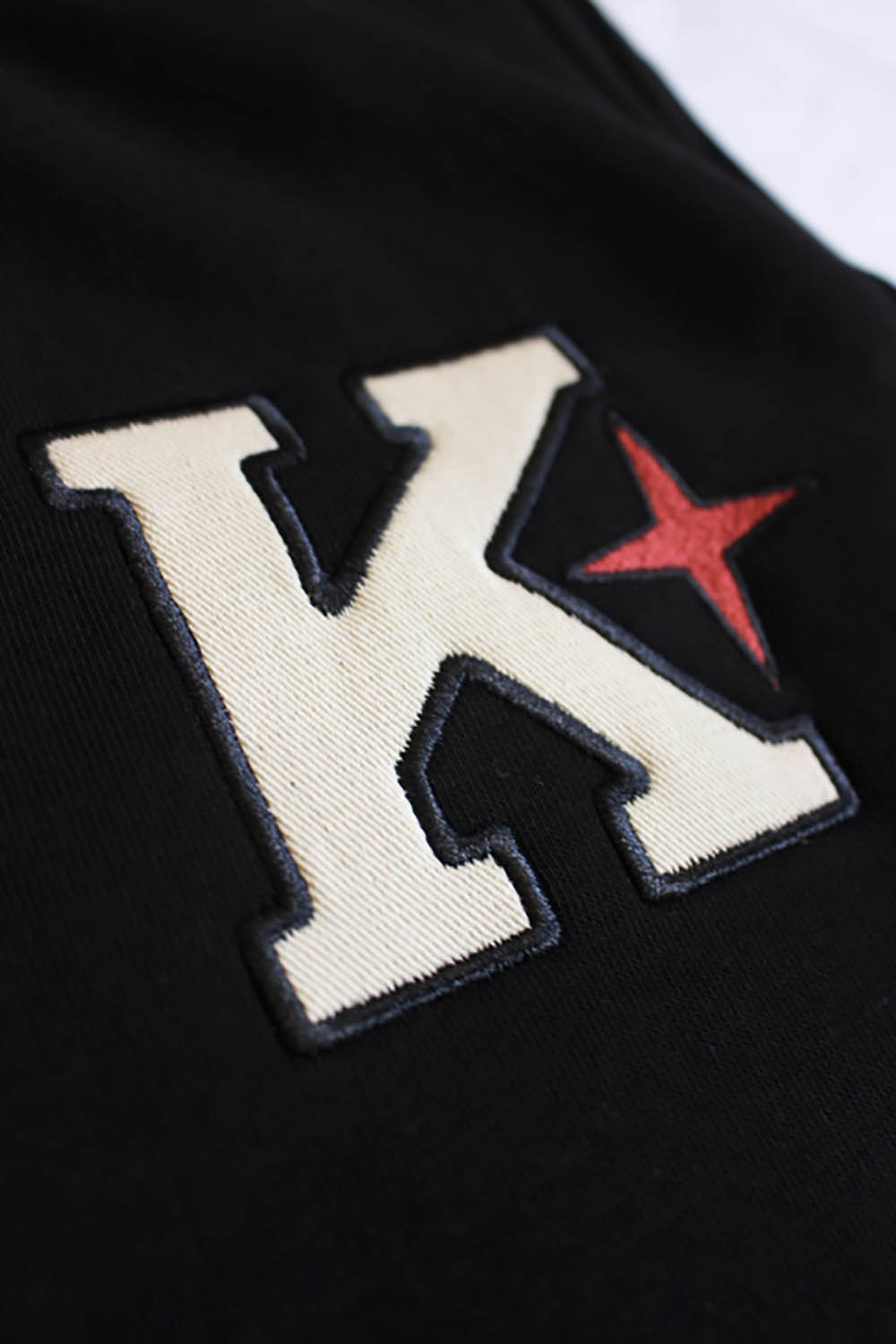
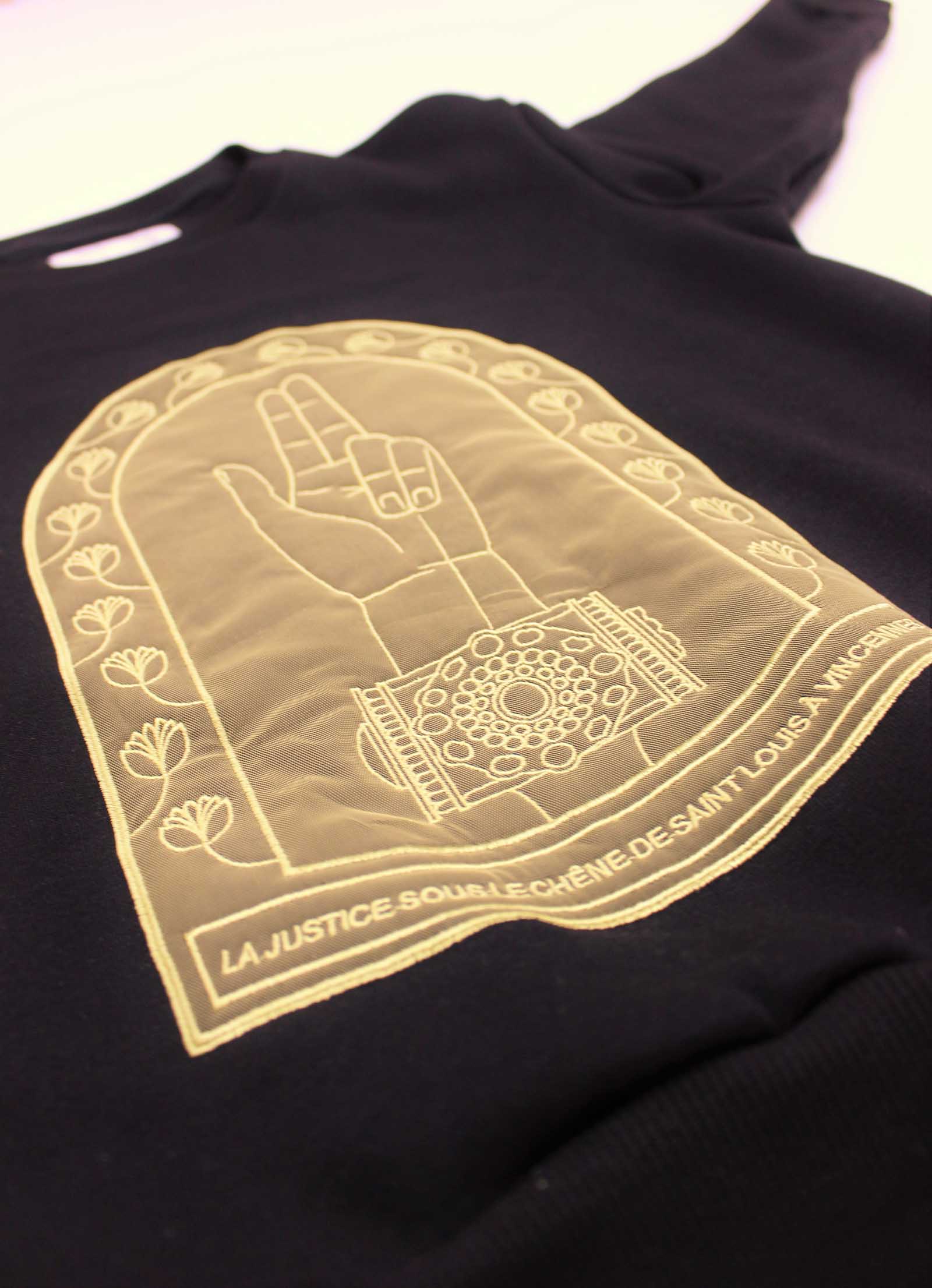
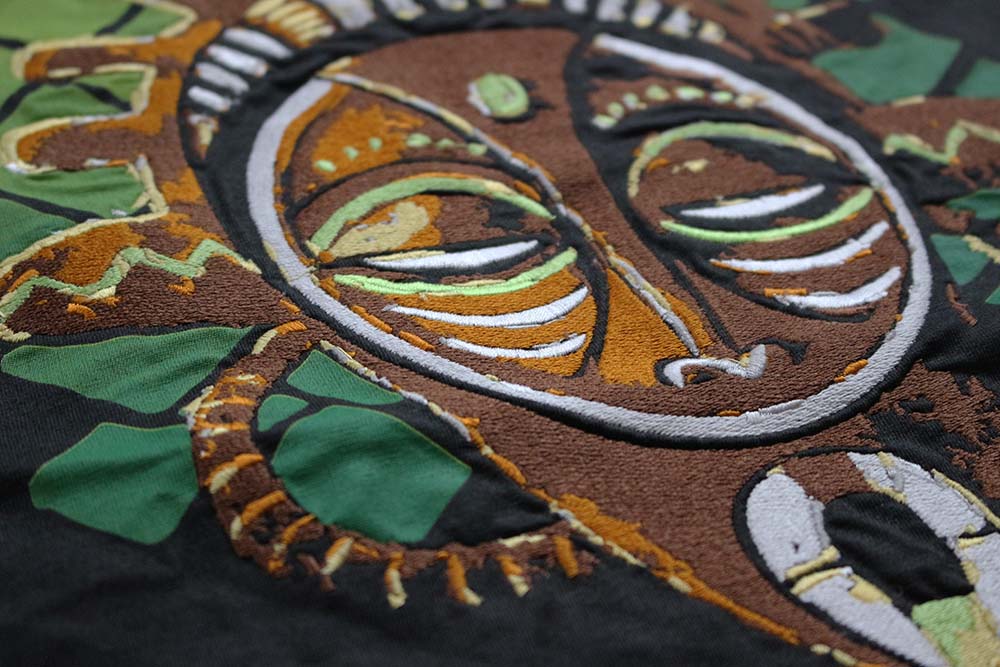
Applique (or “Appliqué Embroidery”) is a technique that combines cutting and embroidery to create a design. Instead of creating a design entirely out of thread (which can be time-consuming and expensive for large areas), appliqué involves laser cutting a piece of fabric onto a base garment, then using embroidery to secure and decorate its edges.
How does Appliqué work?
The process performed by an industrial machine is precise:
Placement Stitch: The embroidery machine starts by sewing a simple outline (a “running stitch”) on the garment. This indicates exactly where to place the cut fabric piece.
Laser Cutting: A laser cuts the exact shape from the appliqué fabric before placement, guaranteeing absolute precision and clean, non-fraying edges. This fabric can be of various types (fleece, felt, twill, etc.).
Fabric Placement: The operator (or machine) places the appliqué fabric piece.
Embroidered Finish: Once the fabric is positioned, the machine returns to cover the raw edges with a dense, wide stitch—most often a Satin Stitch. This permanently fixes the appliqué, hides the cut edge, and provides a clean, raised finish.
Pros:
Ideal for Large Formats: It is much faster and cheaper to fill a large letter with fabric than with thousands of embroidery stitches.
Textured & Quality Look: The mix of fabric texture and the relief of the satin stitch creates a highly sought-after “premium” and vintage look.
Creative Possibilities: Offers great design potential by playing with contrasts. You can use a variety of fabrics (felt, fleece, twill, or even glitter fabric) on the same garment.
Cons:
Not for Small Details: This technique is not suitable for very fine logos or tiny text.
Complex Process: Requires more steps (laser cutting, manual placement) than direct embroidery.